TL;DR

Get garden gear delivered free with Prime
- Fast, free delivery on millions of items
- Prime Video, Amazon Music and more included
- Member-only deals all year
A Country Living report outlines nine garden preparations for before the first hard freeze, including harvesting tender crops, draining hoses and bringing patio houseplants indoors. The timing and specific steps depend on local forecasts, plant hardiness and garden conditions.
Country Living has published a nine-task checklist for gardeners preparing for the first hard freeze, advising them to harvest tender crops, protect vulnerable plants and equipment, and move patio houseplants indoors. The guidance matters because freezing conditions can damage produce and plants, and water left in outdoor hoses or fixtures can contribute to leaks or burst pipes.
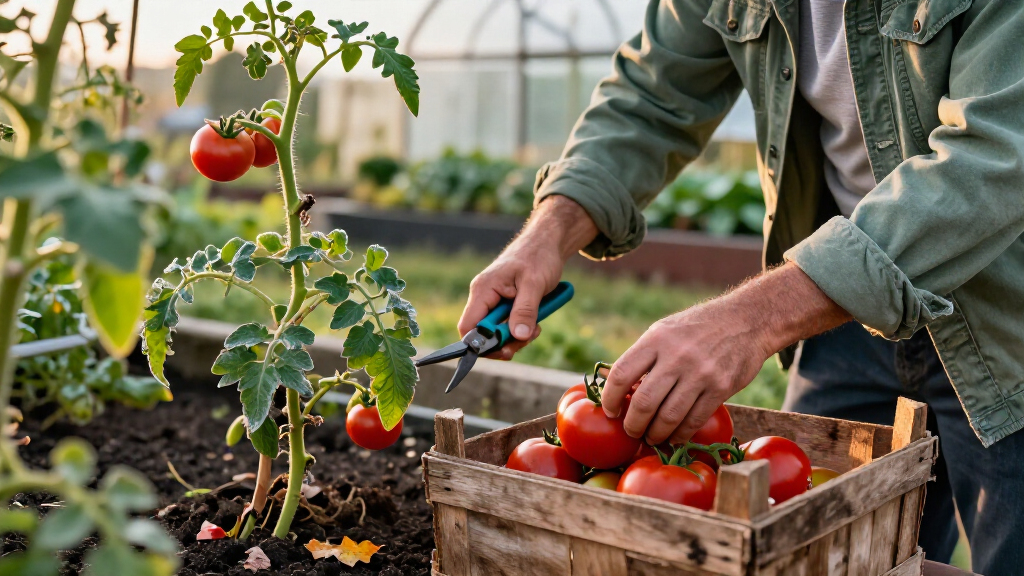
The report recommends picking remaining green tomatoes, beans and tender greens before a freeze; it says green tomatoes can ripen indoors on a counter or in a paper bag. It distinguishes those crops from hardier greens, saying kale and Swiss chard can withstand frosts and even a hard freeze. Gardeners can also cut remaining flowers for indoor arrangements and harvest tender herbs such as basil and lemon balm for freezing in water-filled ice cube trays. The report says rosemary and sage are generally hardier.
To reduce cold-weather damage, the checklist says to disconnect and drain garden hoses, remove wand sprayers and use the home’s interior shutoff valve for outdoor spigots. It also recommends covering annuals such as begonias and petunias with frost blankets if an early freeze is followed by warmer weather. Patio houseplants should be inspected for pests, rinsed off and kept apart from other houseplants until the gardener is confident they are pest-free.
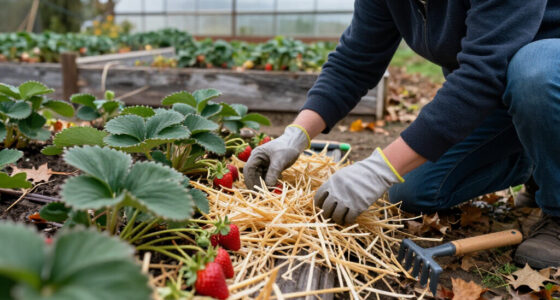
For recent plantings, Country Living advises adding a 2- to 3-inch layer of organic mulch around tender or newly planted perennials and shrubs, along with other fall garden preparations. It also recommends storing fragile terra-cotta, porcelain and ceramic containers in a sheltered location, and taking garden photos before frost alters the landscape. The report presents these as general seasonal suggestions, not a one-size-fits-all schedule.
Protecting Plants and Outdoor Plumbing
Preparing before freezing temperatures arrive can help limit avoidable losses. Harvesting tender produce and herbs preserves food that may be spoiled by a freeze, while draining hoses and addressing outdoor spigots can reduce the risk of water freezing in equipment or pipes. The checklist also focuses on vulnerable new plantings and porous or fragile containers that may be affected by repeated freezing and thawing.
The advice is practical but its value depends on local conditions. A forecasted overnight frost is not the same as a prolonged hard freeze, and plants vary in cold tolerance. Gardeners can use the list to prioritize sensitive crops and equipment while checking local forecasts and the needs of specific plants.
As an affiliate, we earn on qualifying purchases.
A Checklist for Seasonal Garden Shutdown
The Country Living report organizes common end-of-season jobs around the arrival of the first hard freeze. Some tasks are about saving what remains in the garden, including produce, herbs and flowers; others prepare outdoor equipment, containers and newly planted roots for winter. The article also suggests documenting planting locations with photos to help with spring planning.
The recommendations are not a forecast for any particular region. The source does not identify a single date for the first freeze or prescribe a regional schedule. The relevant timing is local: gardeners should watch conditions where they live and act before temperatures threaten their vulnerable plants and equipment.
Local Freeze Timing Varies
The source does not give a specific forecast, location or date for the first hard freeze. It also does not define a temperature threshold for “hard freeze,” so gardeners should consult local weather information and follow guidance suited to their area. The survival of individual plants can vary by species, maturity, exposure and the length of the cold period.
The checklist describes measures intended to protect plants and equipment, but it does not guarantee that covered annuals will continue blooming or that every plant will survive winter. The article provides no additional regional advice on irrigation systems, pipes or the care needs of particular cultivars.
Check Forecasts and Tackle Vulnerable Areas
Before temperatures fall, gardeners can check the local forecast, identify the most frost-sensitive crops and plants, and work through the relevant tasks. Drain hoses and prepare outdoor spigots before freezing weather, bring patio plants in with time to inspect them, and harvest tender produce and herbs while they remain in good condition. For new plantings, add mulch as recommended and store fragile pots in a sheltered place.
As colder weather approaches, reassess the garden against the forecast rather than relying on a fixed calendar date. The Country Living report offers no further update or follow-up milestone; the next step for readers is applying its general checklist to local conditions.
Key Questions
What should I harvest before the first hard freeze?
The report recommends picking green tomatoes, beans and tender greens such as lettuce. It says kale and Swiss chard are more cold-tolerant and may survive frost or a hard freeze.
Should garden hoses be disconnected before freezing weather?
Yes. Country Living advises disconnecting and draining hoses, removing wand sprayers and using the interior shutoff valve for outdoor spigots to help prevent water from freezing in hoses or pipes.
Which herbs can I preserve before a freeze?
The report identifies basil and lemon balm as frost-sensitive and suggests blending their stems with water and freezing the mixture in ice cube trays. It says rosemary and sage are typically hardier.
How should I protect new perennials and shrubs?
Country Living recommends applying a 2- to 3-inch layer of organic mulch around tender or newly planted perennials and shrubs to insulate roots and help limit frost heave.
When should I bring patio houseplants indoors?
Bring them in before cold weather threatens them. Inspect plants for pests, rinse them off and keep them separate from other houseplants until you are confident they are not carrying pests.
Source: rss
Fall yard work Picks
leaf blowers
As an affiliate, we earn on qualifying purchases.