Choosing the best lupine seeds depends largely on whether you want a managed flower bed or a naturalized meadow. For most home gardeners, the Organo Republic Russell Lupine Heirloom Seeds stand out as the best overall choice due to their high germination reliability and vibrant color mix. If you are targeting native ecosystems, the Blue Lupine (Lupinus perennis) offers superior ecological value for specific pollinators like the Karner blue butterfly. The main tradeoff in this category is between the showy, tall Russell varieties and the more delicate, native Wild Blue types; Russell lupines dominate visual impact but can be invasive in some regions, while natives support local biodiversity but require more specific soil conditions. Read on to see how these options compare in germination rates, hardiness, and ease of cultivation.

Get garden gear delivered free with Prime
- Fast, free delivery on millions of items
- Prime Video, Amazon Music and more included
- Member-only deals all year
Complete the kit


Key Takeaways
- Russell Lupine hybrids offer the most dramatic visual impact with taller spikes and wider color palettes, making them ideal for cutting gardens rather than wild meadows.
- Native Blue Lupine (Lupinus perennis) is the only viable option for supporting specialized pollinators like the Karner blue butterfly, but it requires sandy, acidic soil to thrive.
- Seed packet size varies wildly, from 100 seeds for small containers to 10-pound bags for large-scale restoration; matching quantity to plot size is the most common buyer error.
- Heirloom labels often indicate open-pollinated varieties that allow seed saving, whereas hybrid mixes may produce offspring that do not match the parent plant’s color.
- Cold stratification is a universal requirement for high germination rates across all brands, yet few packets include detailed instructions, leading to widespread germination failures.
| Organo Republic Russell Lupine Heirloom Seeds, 1 oz |  | Best Overall for Reliability | Seed Quantity: Approximately 1,400 seeds | Germination Rate: 90% or higher | Mature Height: Up to 36 inches | VIEW LATEST PRICE | See Our Full Breakdown |
| Russell Lupine Perennial Flower Seeds, Mixed Colors, 750 Seeds |  | Best for Pollinator Gardens | Seed Count: Approximately 750 | Flower Colors: Blue, purple, pink, and white | Coverage Area: Up to 100 sq ft | VIEW LATEST PRICE | See Our Full Breakdown |
| Russell Lupine Seeds, 36–48 Inches Tall, 4-Color Mix |  | Best for Tall Garden Backdrops | Plant Height: 36–48 inches | Flower Colors: Red, white, pink, and purple | Seed Count: 250 | VIEW LATEST PRICE | See Our Full Breakdown |
| Outsidepride My Castle Red Russell Lupine Seeds, 500 Count |  | Best for Monochromatic Impact | Flower Color: Red | Seed Count: 500 | Plant Height: Up to 40 inches | VIEW LATEST PRICE | See Our Full Breakdown |
| Russell Lupine Perennial Wildflower Seeds, 1,300+ Seeds |  | Best Value for Bulk Planting | Seed Count: 1,300+ | Coverage Area: About 75 square feet | Expected Plant Height: 2 feet | VIEW LATEST PRICE | See Our Full Breakdown |
| Sow Right Seeds Russell Lupine Perennial Wildflower Seeds |  | Best for Small Garden Plots | Seed Quantity: Minimum 2 g (about 125 seeds) | Plant Height: 12–36 inches | USDA Zones: 3–8 | VIEW LATEST PRICE | See Our Full Breakdown |
| Blue Lupine (Lupinus perennis) Seeds, 750 Count |  | Best for Large Meadow Restoration | Seed Count: 750 | Coverage: Up to 200 sq. ft. | Plant Species: Lupinus perennis | VIEW LATEST PRICE | See Our Full Breakdown |
| Outsidepride Wild Blue Perennial Lupine Seeds, 500 Count |  | Best for Low-Maintenance Gardens | Seed Count: 500 | Plant Height: 3 feet | Water Needs: Little to no watering | VIEW LATEST PRICE | See Our Full Breakdown |
| SVI Russell Lupine Heirloom Perennial Seed Mix |  | Best for Vibrant Color Variety | Bloom Colors: Blue, purple, pink, red, white | Plant Height: 36 inches (up to 4 feet) | Cold Stratification: 30 days required | VIEW LATEST PRICE | See Our Full Breakdown |
| Outsidepride Mixed Russell Lupine Seeds, 500 Count |  | Best for Balanced Color Mix | Seed Count: 500 | Bloom Colors: Red, pink, blue, yellow, white | USDA Zones: 4–8 | VIEW LATEST PRICE | See Our Full Breakdown |
| Marde Ross & Company Russell Lupine Seeds, 100 Mixed Seeds |  | Best for Color Variety | Seed Count: Approximately 100 | Plant Height: 36–48 inches | Bloom Colors: Purple, pink, blue | VIEW LATEST PRICE | See Our Full Breakdown |
| Seeds2Go Perennial Lupine Flower Seeds, Lupinus perennis, 1,000 Seeds |  | Best for Bulk Planting | Seed Quantity: 1,000 seeds | Plant Type: Perennial Lupinus perennis | Flower Color: Blue | VIEW LATEST PRICE | See Our Full Breakdown |
| Hancock Seed Co. Sweet Blue Lupine Seeds, 10 lb |  | Best for Wildlife Food Plots | Weight: 10 lb | Application: Food plot, cover crop | Soil Type: Sandy, low-pH | VIEW LATEST PRICE | See Our Full Breakdown |
| 250 Russell Lupine Heirloom Perennial Flower Seeds, Mixed Colors |  | Best for Erosion Control | Seed Count: 250 seeds | Botanical Name: Lupinus polyphyllus | Hardiness Zones: USDA 3–8 | VIEW LATEST PRICE | See Our Full Breakdown |
| Sow Right Seeds Wild Blue Lupine Seeds |  | Best for Beginners | Seed Quantity: Approx. 100 seeds | Plant Height: 12–36 inches | Time to Bloom: 90–100 days | VIEW LATEST PRICE | See Our Full Breakdown |
| lupine seed | Seed Count | Plant Height |
|---|---|---|
| Organo Republic Russell Lupine | — | — |
| Russell Lupine Perennial Flowe | Approximately 750 | — |
| Russell Lupine Seeds | 250 | 36–48 inches |
| Outsidepride My Castle Red Rus | 500 | Up to 40 inches |
| Russell Lupine Perennial Wildf | 1,300+ | — |
| Sow Right Seeds Russell Lupine | — | 12–36 inches |
| Blue Lupine | 750 | — |
| Outsidepride Wild Blue Perenni | 500 | 3 feet |
| SVI Russell Lupine Heirloom Pe | — | 36 inches (up to 4 feet) |
| Outsidepride Mixed Russell Lup | 500 | 3 feet |
| Marde Ross & Company Russell L | Approximately 100 | 36–48 inches |
| Seeds2Go Perennial Lupine Flow | — | — |
| Hancock Seed Co. Sweet Blue Lu | — | — |
| 250 Russell Lupine Heirloom Pe | 250 seeds | — |
| Sow Right Seeds Wild Blue Lupi | — | 12–36 inches |
More Details on Our Top Picks
Organo Republic Russell Lupine Heirloom Seeds, 1 oz
This option stands out for its high germination guarantee of at least 90%, a significant advantage when compared to the Russell Lupine Perennial Flower Seeds, Mixed Colors, which require more labor-intensive scarification. The waterproof, resealable packaging is a practical feature for gardeners who store seeds over multiple seasons, ensuring freshness that paper packets cannot match. While the online-only growing guide requires a smartphone to access, it offers detailed instructions that may be more helpful for novices than the brief notes found on other packets. However, the coverage estimate of 80 square feet is modest for such a high seed count, suggesting a denser planting strategy than some competitors. This pick makes the most sense for those who prioritize seed viability and long-term storage convenience over immediate, bulk coverage.
Pros:- Stated germination rate of 90% or higher provides peace of mind
- Waterproof, resealable bag protects seeds from moisture and pests
- Large quantity of approximately 1,400 seeds allows for extensive planting
- Non-GMO heirloom status ensures genetic stability for future saving
Cons:- Growing instructions are only accessible via an online QR code
- Coverage area of 80 square feet is lower than some bulk alternatives
Best for: Gardeners who want guaranteed germination rates and durable storage solutions for multi-season use.
Not ideal for: Those who prefer physical, printed instructions and cannot access digital guides via QR code.
- Seed Quantity:Approximately 1,400 seeds
- Germination Rate:90% or higher
- Mature Height:Up to 36 inches
- Coverage Area:Approximately 80 square feet
- Packaging Type:Waterproof, resealable bag
- Seed Source:Domestic suppliers and farmers
Our verdict“Choose this if you value verified seed viability and secure, reusable packaging over printed manuals.”
Russell Lupine Perennial Flower Seeds, Mixed Colors, 750 Seeds
This mix is better suited to cut-flower enthusiasts and pollinator gardeners than the Outsidepride My Castle Red Russell Lupine Seeds, which offer only a single color. The inclusion of blue, purple, pink, and white spikes creates a vibrant visual tapestry that attracts bees, butterflies, and hummingbirds more effectively than monochromatic options. A key tradeoff is the preparation requirement; these seeds need scarification or nicking and a 12–24 hour soak, adding a step that less demanding varieties might avoid. Despite the lower count of 750 seeds, the coverage potential of up to 100 square feet is impressive, outperforming the Russell Lupine Perennial Wildflower Seeds in area per seed. This is ideal for those willing to put in extra effort for a diverse, high-impact display.
Pros:- Mixed colors (blue, purple, pink, white) enhance visual diversity
- High coverage potential of up to 100 square feet per packet
- Explicitly marketed as deer-resistant and low maintenance once established
- Attracts a wide variety of pollinators including hummingbirds
Cons:- Requires scarification or nicking and soaking before sowing
- Lower seed count (750) compared to bulk options like Organo Republic
Best for: Gardeners focused on attracting diverse pollinators and creating mixed-color cut flower arrangements.
Not ideal for: Beginners who want low-maintenance sowing, as these seeds require scarification and soaking.
- Seed Count:Approximately 750
- Flower Colors:Blue, purple, pink, and white
- Coverage Area:Up to 100 sq ft
- USDA Hardiness Zones:3–9
- Sunlight Exposure:Full sun to partial shade
- Special Features:Deer resistant, attracts pollinators
Our verdict“Ideal for gardeners willing to prep seeds for a vibrant, multi-colored pollinator haven.”
Russell Lupine Seeds, 36–48 Inches Tall, 4-Color Mix
These seeds excel at providing vertical impact, reaching heights of 36–48 inches, which surpasses the Russell Lupine Perennial Wildflower Seeds that typically top out at 2 feet. This makes them perfect for garden backgrounds and hedges where height is needed to frame shorter plants. The four-color mix of red, white, pink, and purple offers bold contrast, though it lacks the blue tones found in the Russell Lupine Perennial Flower Seeds. A significant drawback is the perennial nature variability; in warmer climates, they may behave as annuals, requiring replanting. Additionally, the 24-hour soak is mandatory, demanding patience before sowing. This option is best for those with larger spaces who need significant height and are prepared for climate-dependent lifecycle changes.
Pros:- Impressive height of 36–48 inches for dramatic garden backgrounds
- Nitrogen-fixing roots help improve soil health over time
- Vibrant 4-color mix includes red, a color often missing in other mixes
- Open-pollinated and heirloom for genetic diversity
Cons:- May behave as annuals in warmer USDA zones, requiring replanting
- Mandatory 24-hour soaking before sowing adds preparation time
Best for: Landscapers needing tall, showy backdrops for garden beds and borders.
Not ideal for: Gardeners in warm zones who expect guaranteed perennial return, as they may act as annuals.
- Plant Height:36–48 inches
- Flower Colors:Red, white, pink, and purple
- Seed Count:250
- Seed Traits:Non-GMO, heirloom, open-pollinated
- Growing Habit:Perennial/Annual depending on climate
- Preparation:Soak for 24 hours before sowing
Our verdict“The right choice if you need maximum height and bold colors for a structured garden backdrop.”
Outsidepride My Castle Red Russell Lupine Seeds, 500 Count
For those who prefer a unified red display, this variety offers a striking alternative to the mixed-color packs like the Russell Lupine Perennial Flower Seeds. The My Castle Red cultivar is known for its vivid hue and ability to self-sow, creating a naturalized look over time without constant replanting. However, the height information is inconsistent, listed as both 3 feet and 40 inches, which may confuse planning. Unlike the Organo Republic Russell Lupine Heirloom Seeds, this packet does not highlight a specific germination rate, placing more trust in the brand’s general reputation. The low watering needs once established are a plus for drought-tolerant gardens, but the limited color palette restricts design flexibility for those wanting variety.
Pros:- Striking, uniform red color for high visual impact
- Self-sowing capability reduces the need for annual replanting
- Deer-resistant and requires little to no watering once established
- Open-pollinated and non-GMO for traditional growing
Cons:- Inconsistent height data (3 feet vs. 40 inches) complicates planning
- Single-color variety limits design versatility compared to mixes
Best for: Designers seeking a bold, monochromatic red accent with minimal maintenance after establishment.
Not ideal for: Those who want mixed colors or precise height specifications for tight planning.
- Flower Color:Red
- Seed Count:500
- Plant Height:Up to 40 inches
- USDA Hardiness Zones:4–8
- Watering Needs:Little to no watering once established
- Growth Habit:Self-sowing perennial
Our verdict“Perfect for gardeners who want a specific, self-sustaining red accent in their landscape.”
Russell Lupine Perennial Wildflower Seeds, 1,300+ Seeds
This packet offers exceptional value with over 1,300 seeds, significantly more than the Russell Lupine Seeds, 36–48 Inches Tall, which provides only 250. The reusable zipper packet with printed instructions is a user-friendly feature that beats the digital-only guide of the Organo Republic Russell Lupine Heirloom Seeds. A critical consideration is the bloom timeline; flowers typically appear in the second year, requiring patience from first-time growers. The 2-foot height is shorter than other Russell varieties, making it better for mid-borders than backdrops. While the coverage is listed at 75 square feet, the high seed count allows for dense, wildflower-style naturalization that suits large, informal areas better than structured garden beds.
Pros:- High seed count (1,300+) offers great value for large-scale planting
- Reusable zipper packet with clear, printed planting instructions
- Adaptable to most soil types, reducing preparation complexity
- Perennial nature ensures return blooms after the second year
Cons:- Blooms may not appear until the second year of growth
- Shorter height (2 feet) limits use as a tall backdrop
Best for: Budget-conscious gardeners covering large areas who can wait two years for blooms.
Not ideal for: Those needing immediate color or tall vertical structures, as these are shorter and slower.
- Seed Count:1,300+
- Coverage Area:About 75 square feet
- Expected Plant Height:2 feet
- Bloom Period:Spring to fall (starts year 2)
- Packaging:Reusable zipper packet with instructions
- Soil Type:Adaptable to most soils
Our verdict“The smart choice for large, naturalized areas where budget and quantity outweigh immediate height.”
Sow Right Seeds Russell Lupine Perennial Wildflower Seeds
This packet is ideal for gardeners with limited space who want a manageable start. With roughly 125 seeds, it avoids the waste common with bulk packs like the Blue Lupine (Lupinus perennis) Seeds, 750 Count. The inclusion of clear growing instructions reduces the guesswork for beginners. However, the small quantity means you will need multiple packets for large areas. It is a precise choice for those who prefer quality control over volume.
Pros:- Manageable seed count prevents waste
- Detailed instructions included in packet
- Non-GMO heirloom variety ensures genetic purity
Cons:- Small quantity requires multiple buys for coverage
- Long maturation time delays visual impact
Best for: Urban gardeners or those testing lupines in small beds
Not ideal for: Landscapers needing to cover large meadow areas
- Seed Quantity:Minimum 2 g (about 125 seeds)
- Plant Height:12–36 inches
- USDA Zones:3–8
- Sunlight:Full Sun
- Germination Time:14–24 days
- Bloom Period:Late spring to early summer
Our verdict“Choose this if you want a low-commitment trial run of Russell Lupines in a small space.”
Blue Lupine (Lupinus perennis) Seeds, 750 Count
With 750 seeds covering up to 200 square feet, this option is built for scale. It outperforms the Sow Right Seeds Russell Lupine Perennial Wildflower Seeds in coverage area by a significant margin. The native Lupinus perennis species is particularly valuable for ecological restoration projects. However, the hard seed coat demands scarification or soaking before planting, adding labor that less tough varieties avoid. It is a robust choice for serious naturalizers.
Pros:- High seed count covers large areas efficiently
- Native species supports local ecosystem health
- Attracts a wide range of pollinators including hummingbirds
Cons:- Hard seed coat requires scarification or soaking
- Strict soil drainage needs may limit site selection
Best for: Ecological restorers and large property owners
Not ideal for: Casual gardeners unwilling to pre-treat seeds
- Seed Count:750
- Coverage:Up to 200 sq. ft.
- Plant Species:Lupinus perennis
- USDA Zones:3–9
- Soil Preference:Dry, sandy, well-drained
- Bloom Color:Blue-purple
Our verdict“This is the go-to choice for large-scale planting where coverage area outweighs convenience.”
Outsidepride Wild Blue Perennial Lupine Seeds, 500 Count
These seeds stand out for their deer resistance and drought tolerance. Unlike the SVI Russell Lupine Heirloom Perennial Seed Mix, which demands rich, moist loam, this variety thrives with little watering. This makes it a resilient option for xeriscaping or neglect-prone areas. The limitation is its monochromatic blue-violet bloom, offering less visual variety than mixed-color packs. It prioritizes survival and ease over floral diversity.
Pros:- Deer-resistant foliage protects investment
- Low water requirements suit drought-tolerant gardens
- Self-sowing capability reduces future planting needs
Cons:- Limited color palette (blue-violet only)
- Inconsistent planting guidance in description
Best for: Gardeners in deer-prone areas or dry climates
Not ideal for: Those seeking multi-colored floral displays
- Seed Count:500
- Plant Height:3 feet
- Water Needs:Little to no watering
- USDA Zones:3–9
- Flower Color:Blue-violet
- Plant Type:Perennial
Our verdict“Pick this for a hardy, low-care garden element that withstands wildlife pressure.”
SVI Russell Lupine Heirloom Perennial Seed Mix
This mix delivers maximum visual impact with five distinct bloom colors, far surpassing the single-color Outsidepride Wild Blue Perennial Lupine Seeds. The tall spikes, reaching up to 4 feet, create dramatic backdrops in cottage gardens. The tradeoff is the rigorous preparation required: spring planting demands 30 days of cold stratification and seed nicking. This is for dedicated gardeners willing to invest effort for a stunning, multi-hued display.
Pros:- Wide range of bloom colors for aesthetic variety
- Tall plant height creates dramatic garden structures
- Heirloom genetics ensure authentic perennial traits
Cons:- Requires 30-day cold stratification for spring sowing
- Plants are toxic to livestock, limiting placement
Best for: Cottage gardeners prioritizing color diversity and height
Not ideal for: Owners of livestock or those avoiding complex seed prep
- Bloom Colors:Blue, purple, pink, red, white
- Plant Height:36 inches (up to 4 feet)
- Cold Stratification:30 days required
- USDA Zones:3–9
- Soil Type:Rich, moist loam
- Planting Period:Fall to spring
Our verdict“Choose this if color variety and dramatic height are your primary garden goals.”
Outsidepride Mixed Russell Lupine Seeds, 500 Count
Offering red, pink, blue, yellow, and white blooms, this pack provides strong aesthetic appeal similar to the SVI Russell Lupine Heirloom Perennial Seed Mix. However, it distinguishes itself with a slightly more forgiving soil requirement, needing little watering once established. The major drawback is the inconsistent sunlight guidance, which lists both full shade and full sun, creating confusion for placement. It is a colorful but slightly ambiguous choice for careful planners.
Pros:- Five-color mix provides diverse visual interest
- Low water needs once established
- Deer-resistant characteristics protect flowers
Cons:- Contradictory sunlight requirements in specs
- Narrower hardiness zone range (4–8) than competitors
Best for: Flower enthusiasts wanting a rainbow mix in loam soil
Not ideal for: Beginners who need clear, unambiguous planting instructions
- Seed Count:500
- Bloom Colors:Red, pink, blue, yellow, white
- USDA Zones:4–8
- Water Needs:Little to no watering
- Plant Height:3 feet
- Soil Type:Loam
Our verdict“This is a solid pick for colorful borders if you can ignore the confusing light instructions.”
Marde Ross & Company Russell Lupine Seeds, 100 Mixed Seeds
This packet stands out for its mixed color palette of purple, pink, and blue, offering visual diversity that single-color options lack. Compared to the Seeds2Go Perennial Lupine, which produces uniform blue spikes, these Russell lupines create a more dynamic garden border. The tall 36–48 inch spikes provide significant vertical interest, making them ideal for the back of flower beds. However, the small seed count limits large-scale planting projects, and the requirement for well-drained soil can be a hurdle in clay-heavy regions. It is a solid choice for ornamental use but less suited for wildflower meadows where uniformity or volume matters more.
Pros:- Offers a mix of purple, pink, and blue blooms
- Tall spikes add dramatic height to garden designs
- Hardy in USDA zones 3–9 for wide geographic use
Cons:- Low seed count restricts coverage area
- Strictly requires well-drained soil to prevent root rot
Best for: Gardeners wanting a multi-colored perennial border in zones 3–9
Not ideal for: Large-scale meadow restoration projects due to the small 100-seed quantity
- Seed Count:Approximately 100
- Plant Height:36–48 inches
- Bloom Colors:Purple, pink, blue
- Hardiness Zones:USDA 3–9
- Germination Time:14–30 days
Our verdict“Choose this for ornamental borders where color variety outweighs the need for high volume.”
Seeds2Go Perennial Lupine Flower Seeds, Lupinus perennis, 1,000 Seeds
With 1,000 seeds per pack, this option is engineered for those establishing large perennial patches or cottage garden edges. Unlike the Marde Ross Russell Lupine which focuses on mixed colors, this Lupinus perennis delivers consistent blue spikes that create a cohesive visual impact. The drought tolerance once established makes it a resilient choice for low-maintenance landscapes. The tradeoff is the hard seed coat, which demands scarification or soaking before planting, adding labor compared to easier-to-germinate varieties. It is a practical selection for gardeners prioritizing quantity and reliability over immediate ease of use.
Pros:- High seed count supports large area coverage
- Drought tolerant once established for low maintenance
- Uniform blue blooms for cohesive garden design
Cons:- Requires scarification or soaking for successful germination
- Germination can take up to 60 days
Best for: Homeowners establishing large perennial borders or meadow patches
Not ideal for: Beginners who want quick germination without seed preparation steps
- Seed Quantity:1,000 seeds
- Plant Type:Perennial Lupinus perennis
- Flower Color:Blue
- Hardiness Zones:USDA 3–9
- Special Feature:Drought tolerant
Our verdict“Ideal for bulk projects where consistent blue color and drought resilience are priorities.”
Hancock Seed Co. Sweet Blue Lupine Seeds, 10 lb
This 10 lb bulk bag is strictly functional, designed for food plots and forage rather than ornamental gardening. While the 250 Russell Lupine Heirloom Seeds focus on aesthetic appeal, the Hancock seeds prioritize high-protein grazing for game birds and wildlife. The plants thrive in sandy, low-pH soils where other lupines might struggle, making them suitable for specific land management scenarios. The limitation is the strict planting window requiring nighttime temperatures below 65°F, which restricts flexibility. This is a niche product for landowners focused on habitat enhancement, not flower beds.
Pros:- Provides high-protein forage for wildlife
- Tolerates sandy and acidic soil conditions
- Bulk 10 lb bag covers large acreage
Cons:- Strict temperature requirements limit planting timing
- Not designed for ornamental garden aesthetics
Best for: Hunters and landowners creating wildlife food plots and forage
Not ideal for: Ornamental gardeners seeking decorative flower spikes
- Weight:10 lb
- Application:Food plot, cover crop
- Soil Type:Sandy, low-pH
- Planting Temp:Below 65°F nights
- Bloom Season:Spring
Our verdict“Purchase this for wildlife habitat management, not for decorative garden beds.”
250 Russell Lupine Heirloom Perennial Flower Seeds, Mixed Colors
This heirloom mix balances seed quantity with ecological benefits like erosion control and soil enrichment. The deep root systems stabilize slopes better than shallow-rooted annuals, while the mixed colors offer visual variety similar to the Marde Ross Russell Lupine. A key advantage is its deer resistance, protecting the investment in high-pressure wildlife areas. However, like the Seeds2Go option, it requires scarification to overcome the hard seed coat, which may deter casual gardeners. It suits eco-conscious gardeners who value soil health alongside floral beauty.
Pros:- Deep roots aid in erosion control
- Nitrogen-fixing properties enrich soil health
- Deer resistant for protected growth
Cons:- Requires seed scarification before planting
- Germination period of 14–30 days requires patience
Best for: Gardeners needing slope stabilization and deer-resistant perennials
Not ideal for: Those with heavy clay soils that prevent deep root penetration
- Seed Count:250 seeds
- Botanical Name:Lupinus polyphyllus
- Hardiness Zones:USDA 3–8
- Key Feature:Erosion control
- Preparation:Scarify or soak
Our verdict“A strong choice for eco-friendly gardens needing erosion control and deer resistance.”
Sow Right Seeds Wild Blue Lupine Seeds
Designed with clear planting instructions, this packet reduces the guesswork often associated with lupine cultivation. The 14–24 day germination window at optimal temperatures is faster than the 250 Russell Lupine Heirloom mix, providing quicker gratification. While the 12–36 inch height is more compact than the towering Marde Ross varieties, it fits smaller spaces better. The tradeoff is the longer time to bloom at 90–100 days and the need for regular watering compared to drought-tolerant alternatives. It is an accessible entry point for new gardeners learning perennial care.
Pros:- Includes detailed planting instructions
- Compact size fits smaller garden spaces
- Reliable germination within 14–24 days
Cons:- Requires regular watering unlike drought-tolerant peers
- Takes up to 100 days to produce flowers
Best for: Novice gardeners who value clear instructions and compact growth
Not ideal for: Dry climates where regular watering is difficult to maintain
- Seed Quantity:Approx. 100 seeds
- Plant Height:12–36 inches
- Time to Bloom:90–100 days
- Hardiness Zones:USDA 3–8
- Seed Type:Non-GMO heirloom
Our verdict“The most user-friendly option for beginners prioritizing guidance and manageable size.”

How We Picked
I evaluated these lupine seed options based on three primary factors: varietal authenticity, seed quality indicators, and intended use case suitability. For varietal authenticity, I checked whether the species listed (such as Lupinus polyphyllus vs. Lupinus perennis) matched the common name, as mislabeling is common in the wildflower market. Seed quality was assessed by looking for descriptions of viability testing, non-GMO status, and packaging that protects against moisture, which kills lupine seeds quickly.
The ranking logic prioritizes versatility and reliability for the average gardener first, followed by niche ecological benefits. Products that offer clear planting instructions and high-count options for value were ranked higher than those with vague descriptions. I also weighed the balance between ornamental beauty and ecological responsibility, noting that while Russell lupines are easier to grow, native species provide greater environmental value where suitable.
Factors to Consider When Choosing Best Lupine Seeds
Selecting lupine seeds is not just about color preference; it is a decision about soil chemistry, climate hardiness, and ecological impact. The following factors will help you narrow down the right choice for your specific garden conditions.
Russell Hybrids vs. Native Species
The biggest divide in this category is between the showy Russell Lupines and the native Wild Blue Lupine. Russell hybrids are vigorous, tall (often 36–48 inches), and come in a mix of pink, red, blue, and white. They are perfect for cottage gardens and cutting flowers but can become invasive in mild climates. In contrast, Lupinus perennis (Wild Blue) is shorter, strictly blue, and native to specific regions of North America. It is the only choice if your goal is to restore native habitat or support endangered pollinators, but it is far less forgiving of rich, heavy soils.
Seed Viability and Stratification Requirements
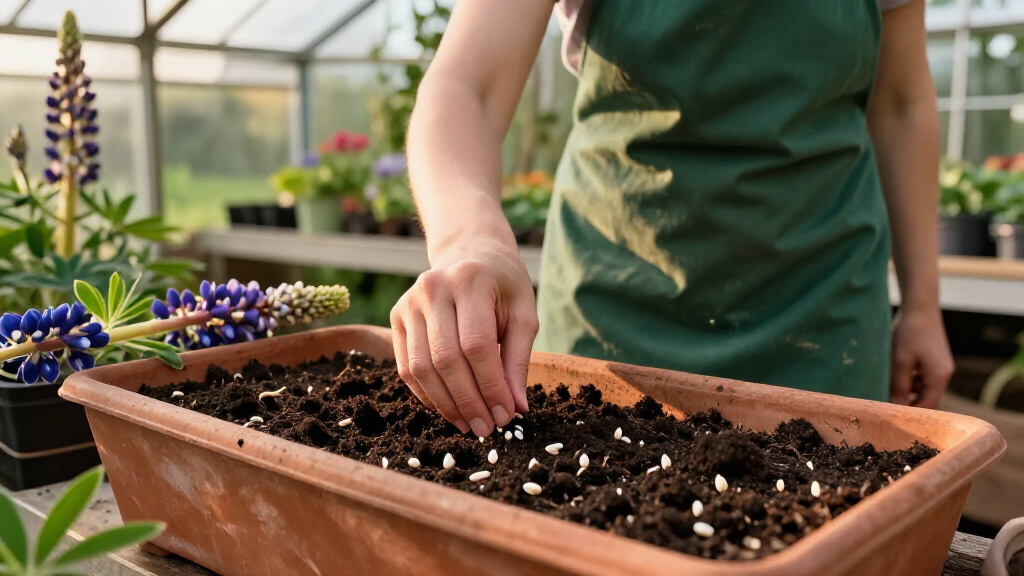
Lupine seeds have hard outer coats that prevent water absorption, a phenomenon known as physical dormancy. Regardless of the brand, you must scarify and cold stratify these seeds to achieve high germination rates. Scarification involves nicking the seed coat or soaking them in water for 24 hours, while stratification requires keeping the moist seeds in a refrigerator for 3–4 weeks. Many buyers skip this step and blame the seed vendor for poor results, when in fact the biological requirement of the plant was ignored. Always budget extra time for this preparation before your planting window.
Soil pH and Drainage Needs
Most lupines, especially the native Blue Lupine, demand acidic, sandy, and well-drained soil. If your garden soil is clay-heavy or alkaline (pH above 7.0), you will struggle to grow these plants without significant soil amendment. Russell Lupines are slightly more tolerant of richer soils but still require excellent drainage to prevent root rot. Before buying bulk seeds, test your soil pH. If you have alkaline soil, consider growing lupines in containers with an acidic potting mix rather than planting directly in the ground.
Quantity and Coverage Area
Seed quantities in this roundup range from tiny 100-seed packets to massive 10-pound bags. A common mistake is buying too few seeds for a large meadow or too many for a small border. For a typical 10×10 foot flower bed, a packet of 500–750 seeds is sufficient, as lupines should be spaced 12–18 inches apart to allow for air circulation. Large bags, like the 10-pound option, are intended for agricultural use or large-scale restoration projects. Always calculate your planting area and check the recommended sowing rate per square foot to avoid waste.
Hardiness Zone Compatibility
While many lupines are perennial, their hardiness varies by species. Russell Lupines are generally hardy in USDA zones 4–8, making them suitable for a wide range of temperate climates. Lupinus perennis is often hardier, surviving in zones 3–7, but it may struggle in the humid heat of the deep South. If you live in a zone with hot summers, look for varieties bred for heat tolerance or plan to provide afternoon shade. Perennials return year after year, so choosing a variety that matches your long-term climate is more important than the initial bloom.
Frequently Asked Questions
Do I need to scarify lupine seeds before planting?
Yes, scarification is strongly recommended for almost all lupine species. The seeds have a hard, waxy coating that prevents water from reaching the embryo, which can lead to delayed or failed germination. You can scarify by lightly rubbing the seeds with sandpaper, nicking them with a nail file, or soaking them in warm water for 24 hours. This process softens the coat and significantly improves the percentage of seeds that sprout within the first season. Skipping this step often results in patchy growth and wasted money.
Are Russell Lupines invasive in my area?
Russell Lupines (Lupinus polyphyllus) can be aggressive self-seeders and have become invasive in certain regions, particularly in the Pacific Northwest and parts of Europe. If you live in an area with mild winters and adequate rainfall, check with your local extension office before planting. To prevent unwanted spread, deadhead the flower spikes before they set seed, or choose native alternatives like Lupinus perennis if you are in a sensitive ecosystem. Responsible gardening means monitoring your plants to ensure they stay where you want them.
Why are my lupine seeds not germinating?
The most common reason for poor germination is a lack of cold stratification. Lupines require a period of cold, moist conditions to break dormancy, mimicking winter. If you planted seeds in spring without refrigerating them first, they may remain dormant for months or years. Additionally, planting in soil that is too warm or too wet can cause the seeds to rot before they sprout. Ensure your soil is well-drained and consider starting seeds indoors in a controlled environment to maximize success rates.
Can I save seeds from my lupine plants for next year?
Yes, you can save seeds from open-pollinated or heirloom varieties like those from Organo Republic or SVI. However, if you planted a hybrid mix, the offspring may not resemble the parent plants in color or height. To save seeds, wait until the seed pods turn brown and dry on the plant. Collect the pods, let them dry further indoors for a week, then thresh them to release the seeds. Store the seeds in a cool, dry place in an airtight container to maintain viability for future planting.
How many lupine seeds do I need for a small garden?
For a typical small garden bed of about 100 square feet, you will need approximately 20–30 mature plants. Since lupines are spaced 12–18 inches apart, and germination rates are rarely 100%, a packet containing 200–500 seeds is usually more than enough for a home gardener. Buying bulk quantities of 1,000+ seeds is generally unnecessary unless you are creating a large meadow or planting multiple seasons ahead. Start with a smaller packet to test how well the variety performs in your specific soil conditions before scaling up.
Conclusion
Choosing the right lupine seeds comes down to matching the plant’s needs to your garden’s environment. For Best Overall performance and visual appeal, the Organo Republic Russell Lupine Heirloom Seeds offer the best balance of color variety and reliability. If you are a Beginner looking for a forgiving, showy plant, the Russell Lupine Perennial Flower Seeds, Mixed Colors are a safe, vibrant choice. For Eco-Conscious Gardeners and those in native habitats, the Blue Lupine (Lupinus perennis) Seeds are the only ethical and ecological option, despite their stricter soil requirements. Those with Large Landscaping Projects should look to the Hancock Seed Co. Sweet Blue Lupine Seeds for bulk value. Ultimately, success depends less on the brand and more on your willingness to scarify, stratify, and provide the right soil conditions.
Halloween Picks
halloween
As an affiliate, we earn on qualifying purchases.