TL;DR

Get garden gear delivered free — and shop member deals
- Fast, free delivery on millions of items
- Access to Prime Big Deal Days deals on October 6–7
- Prime Video, Amazon Music and more included
Gardeners with acidic soil, suitable for hydrangeas and blueberries, are advised to plant five specific acid-loving plants this September. This trend is gaining interest, though it is based on observed gardening patterns rather than official recommendations.
Implications for Home Gardeners
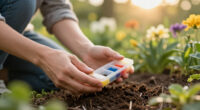
This trend highlights the importance of understanding soil chemistry to optimize plant health. For gardeners with existing acid-loving plants like hydrangeas and blueberries, adding these five species can improve garden aesthetics and yields. It emphasizes a tailored approach to gardening, encouraging soil testing and targeted planting strategies. As interest grows, nurseries and garden centers may see increased demand for these plants, influencing local plant sales and gardening advice. Moreover, this focus on soil-specific planting can lead to more sustainable gardening practices, reducing the need for soil amendments or chemical interventions.As an affiliate, we earn on qualifying purchases.
Soil Conditions and Plant Compatibility Trends
The current gardening trend stems from increased interest in soil-specific planting, driven by the popularity of hydrangeas and blueberries, which thrive in acidic conditions. Gardeners have historically observed that these plants perform best in low pH soils, prompting a broader focus on acid-loving species. The trend appears to be fueled by social media sharing, gardening forums, and a general shift toward more sustainable, soil-aware gardening. While scientific research supports the compatibility of these plants with acidic soil, the specific recommendation to plant five additional species this September is based on anecdotal success and community observation, not formal horticultural guidance.Unconfirmed Nature of the Plant Recommendations
It is not yet confirmed whether planting these five specific species in September will consistently yield better results across different soil types and climates. The trend is based on anecdotal reports and community observations rather than scientific studies or official horticultural guidelines. Further research is needed to validate the effectiveness and suitability of these plants in various conditions.Monitoring Garden Outcomes and Scientific Validation
Gardeners and horticulturists will likely continue experimenting with these plantings, sharing results through social media and gardening forums. Researchers may investigate the soil-plant interactions further to establish formal recommendations. Nurseries could respond by offering these species more prominently in fall sales, and official guidelines may evolve as more data become available. The trend’s future depends on the consistency of results and broader scientific validation.Key Questions
What are the five acid-loving plants recommended for planting in September?
While the specific species are not officially confirmed, popular candidates among gardening communities include azaleas, rhododendrons, camellias, ferns, and heathers. These plants are known to thrive in acidic soils and can complement hydrangeas and blueberries.
Why is September the recommended time for planting these plants?
September provides optimal soil and weather conditions for establishing new plants before winter, allowing roots to develop and prepare for vigorous growth in spring. Planting in fall also reduces transplant shock and helps plants settle into their environment.
Can I plant these species if my soil is not naturally acidic?
Yes, but it may require soil amendments such as peat moss, sulfur, or specific fertilizers to lower the pH. However, the trend emphasizes planting in already acidic soils for best results, minimizing the need for soil modification.
Are there any risks associated with planting these species in September?
The main risks include planting late in the season in colder climates, which might hinder establishment before winter. Gardeners should consider local climate conditions and ensure proper mulching and watering to protect new plants during colder months.
Will planting these species improve the health of my existing hydrangeas and blueberries?
Potentially, as compatible plants can create a more balanced soil environment and improve overall garden health. However, success depends on proper planting, soil conditions, and climate factors.
Source: rss
Fall yard work Picks
leaf blowers
As an affiliate, we earn on qualifying purchases.