
TL;DR

Get garden gear delivered free — and shop member deals
- Fast, free delivery on millions of items
- Access to Prime Big Deal Days deals on October 6–7
- Prime Video, Amazon Music and more included
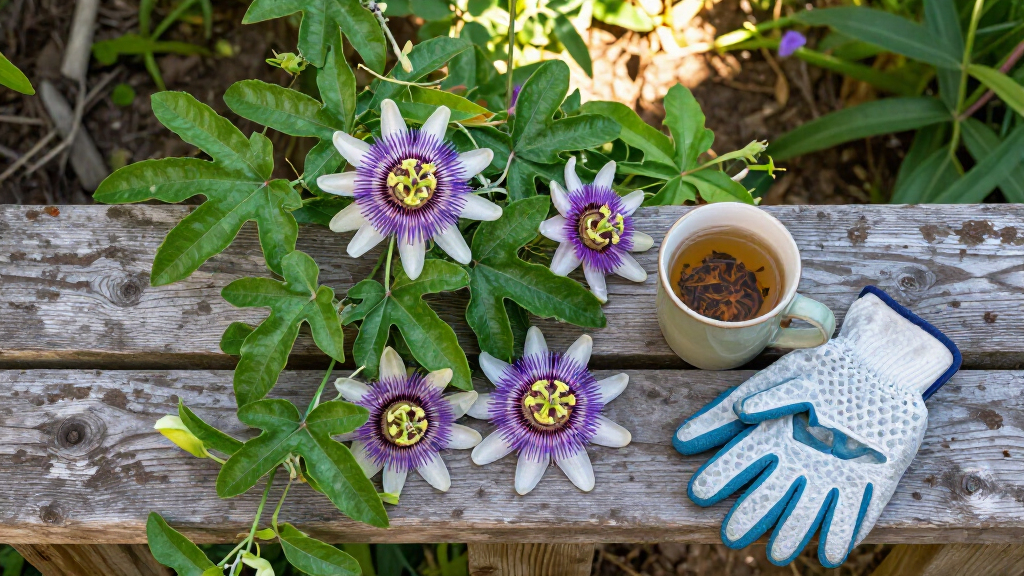
A gardener shares her decision to let her passionflower grow freely over her fence. She highlights environmental benefits and personal satisfaction, emphasizing her reasons for this approach.
A gardener has publicly shared her decision to let her passionflower grow unchecked over her fence, citing reasons beyond its visual appeal. This personal choice highlights a broader trend among gardeners prioritizing ecological benefits and natural growth over strict pruning.
The gardener, who wrote an article on her experience, states she intentionally allows her passionflower to overtake her fence to promote local biodiversity and create a more natural garden environment. She notes that this approach reduces her maintenance workload and supports pollinators such as bees and butterflies. Experts confirm that allowing certain plants to grow freely can benefit local ecosystems, though it may require managing potential issues like invasive spread or structural damage. The gardener emphasizes her satisfaction with the aesthetic and ecological results, describing her garden as more vibrant and alive since adopting this method.Ecological and Aesthetic Benefits of Letting Passionflower Grow Freely
This decision reflects a growing movement among gardeners to prioritize ecological health and biodiversity. Allowing plants like passionflower to grow naturally can support pollinators, reduce maintenance, and create more resilient garden ecosystems. However, it also raises questions about managing invasive tendencies and structural impacts, which are still being evaluated by experts. For individual gardeners, this approach can lead to more sustainable and personally rewarding gardening practices.As an affiliate, we earn on qualifying purchases.
Growing Trends in Natural Gardening and Biodiversity Support
Over recent years, many gardeners have shifted toward more naturalistic gardening styles that favor native plants and minimal intervention. Passionflower, a vigorous vine, is often appreciated for its striking appearance and ecological benefits. The gardener’s decision aligns with broader trends encouraging less chemical use, reduced pruning, and fostering habitat diversity. While some regions have regulations regarding invasive plants, passionflower is generally considered beneficial when managed properly. This case exemplifies how personal gardening choices can contribute to local ecological health.Potential Risks and Management Challenges of Overgrown Passionflower
It is not yet clear how widespread this practice is or whether all regions consider passionflower’s growth as sustainable. Some experts warn that passionflower can become invasive in certain climates, and unmanaged growth could damage fences or structures. The long-term ecological impact of allowing passionflower to overgrow remains under study, and individual experiences may vary based on local conditions.Monitoring Ecological Impact and Developing Best Practices
Researchers and gardeners will continue observing how unmanaged passionflower growth affects local ecosystems and structures. Future guidelines may emerge to help gardeners balance ecological benefits with management needs. Additionally, more gardeners might adopt similar practices, sharing their experiences and strategies for sustainable growth.Key Questions
Is passionflower an invasive species?
In some regions, passionflower can become invasive if not properly managed. Gardeners are advised to check local guidelines and monitor growth to prevent unwanted spread.
Does letting passionflower grow freely damage fences?
It can, especially if the vine becomes very vigorous. Regular inspection and pruning can mitigate structural damage while maintaining ecological benefits.
What are the ecological benefits of allowing passionflower to grow over a fence?
It provides habitat and food for pollinators like bees, butterflies, and hummingbirds, supporting local biodiversity and ecosystem health.
Can this approach be applied to other plants?
Yes, but gardeners should consider each plant’s growth habits and local environmental impact before allowing unchecked growth.
What should I do if my passionflower starts to overgrow uncontrollably?
Regular pruning and monitoring are recommended to prevent damage and manage invasive tendencies while still supporting ecological benefits.
Source: rss
Fall yard work Picks
leaf blowers
As an affiliate, we earn on qualifying purchases.