
TL;DR

Get garden gear delivered free with Prime
- Fast, free delivery on millions of items
- Prime Video, Amazon Music and more included
- Member-only deals all year
Hosta leaves turning brown can result from various issues, including pests, diseases, or environmental stress. This article explains how to diagnose damage and apply quick fixes to save your plants.
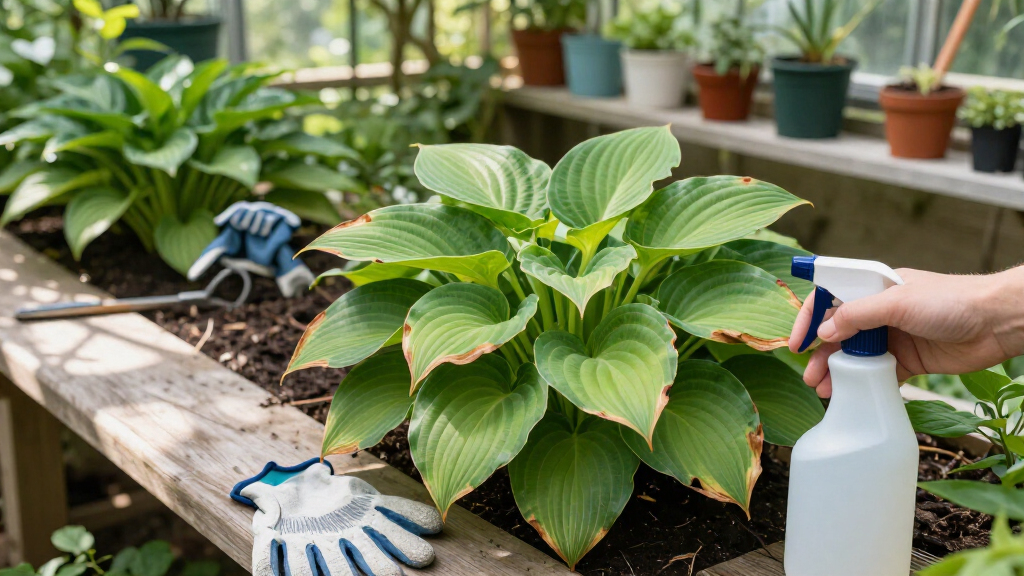
Many gardeners are observing their hosta leaves turning brown, a common issue that can threaten the health and appearance of these popular shade plants. Experts confirm that the causes range from environmental stress to pests and diseases, and quick identification is crucial for effective treatment.
The browning of hosta leaves can be caused by several confirmed factors, including overwatering, drought stress, pests like slugs and aphids, and fungal infections. According to horticultural specialists, damage often manifests as brown edges, spots, or entire leaves turning brown. Recognizing the specific type of damage is key to applying the correct remedy. For example, pests may leave visible signs such as slime trails or chewed edges, while fungal infections often present as spots with a yellow halo.To address browning, experts recommend first inspecting the plant closely for pests or signs of disease. Adjusting watering practices—ensuring the soil remains moist but not waterlogged—can prevent stress caused by drought or excess moisture. Removing and disposing of severely damaged leaves reduces disease spread. Applying appropriate treatments, such as organic slug bait or fungicide, can help control pests and infections. Additionally, improving air circulation and mulching can reduce fungal risks and support plant health.
Impact of Browning on Hosta Health and Garden Aesthetics
Hosta browning affects both the visual appeal and the overall health of the plant. If untreated, damage can weaken the plant, making it more susceptible to further pests or disease. For gardeners, quick diagnosis and intervention are vital to preserve the plant’s vitality and appearance, especially during peak growing seasons. Understanding the causes helps prevent recurrence and promotes sustainable gardening practices, ensuring long-term enjoyment of hostas in shaded landscapes.As an affiliate, we earn on qualifying purchases.
Common Causes of Browning in Hostas and Recent Trends
Hostas are widely cultivated for their attractive foliage and shade tolerance. However, they are vulnerable to environmental stressors such as irregular watering, temperature fluctuations, and humidity changes. Pests like slugs and aphids are frequent culprits, especially in moist conditions. Fungal diseases, including leaf spot and crown rot, have become more prevalent with increased humidity and poor airflow. Recent gardening reports highlight a rise in browning issues during the current growing season, prompting increased attention to plant care and pest management practices. Historically, proper watering, good sanitation, and pest control have minimized these problems, but changing climate patterns have introduced new challenges.“Identifying whether browning is caused by pests, disease, or environmental stress is essential for effective treatment.”
— Dr. Susan Miller, horticultural expert
Unclear Causes and When to Seek Professional Help
While many causes of browning are well-understood, some cases remain uncertain, such as the role of emerging fungal strains or environmental factors in specific regions. It is not yet clear whether new pest variants are contributing to increased damage. Gardeners are advised to monitor plant responses after treatment and consult local extension services if symptoms persist or worsen.Next Steps for Gardeners and Monitoring Strategies
Gardeners should conduct thorough inspections of affected hostas to identify pests or signs of disease. Applying targeted treatments and adjusting watering routines are immediate steps. Ongoing monitoring for new symptoms or recurring damage is recommended. Experts suggest keeping records of plant health and treatment responses to refine care practices. Future developments may include new resistant hosta varieties or integrated pest management techniques, which will be promoted through horticultural updates and local extension programs.Key Questions
How can I tell if my hosta’s browning is caused by pests?
Look for visible signs such as chewed leaves, slime trails, or the presence of insects like slugs and aphids. Close inspection of the undersides of leaves can reveal pests or eggs.
What is the best way to treat fungal infections on hostas?
Apply a fungicide specifically formulated for ornamental plants, and remove infected leaves to prevent spreading. Improving air circulation and avoiding overhead watering can reduce fungal growth.
Can overwatering cause browning in hosta leaves?
Yes, overwatering can lead to root rot and other issues that manifest as browning or yellowing leaves. Ensure the soil drains well and water only when the top inch of soil feels dry.
When should I replace my hosta if damage is severe?
If multiple leaves are browning and the plant shows signs of decline despite treatment, consider dividing or replacing the hosta during the next planting season for better health outcomes.
Are there resistant varieties of hosta to pests and diseases?
Yes, some newer hosta cultivars have been bred for increased resistance, but no plant is completely immune. Proper cultural practices remain essential for health maintenance.
Source: rss
Halloween Picks
halloween
As an affiliate, we earn on qualifying purchases.