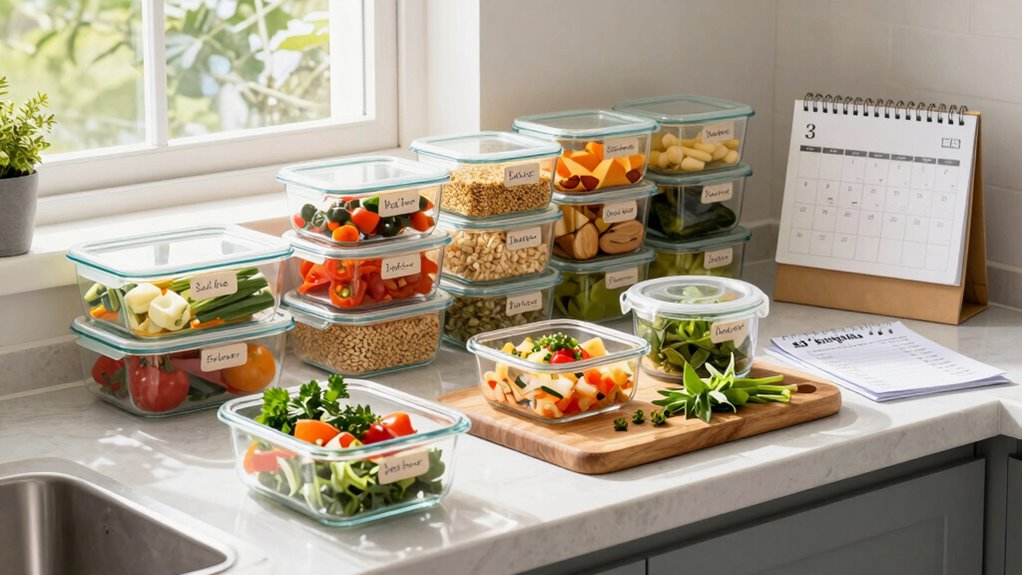

Meal planning helps you cut food waste by allowing you to buy only what you need and use leftovers creatively. It provides a flexible framework, so you won’t feel restricted—just organized. By focusing on storage, preservation, and smarter shopping, you keep ingredients fresh longer and avoid spoilage. Incorporating simple tips like batch cooking and seasonal shopping makes waste reduction effortless. Want to discover more ways to make meal planning work for you? Keep exploring.

Get garden gear delivered free with Prime
- Fast, free delivery on millions of items
- Prime Video, Amazon Music and more included
- Member-only deals all year
Key Takeaways
- Flexible meal plans allow adjustments based on freshness, sales, and leftovers, reducing waste without feeling confined.
- Incorporating batch cooking and smart storage extends ingredient lifespan, minimizing spoilage and unnecessary disposal.
- Planning around seasonal produce and buying in bulk lowers costs and prevents unused, wasted ingredients.
- Organizing shopping lists by store sections helps avoid impulse purchases and overbuying.
- Promoting a non-restrictive mindset encourages sustainable habits and makes waste reduction feel natural and effortless.
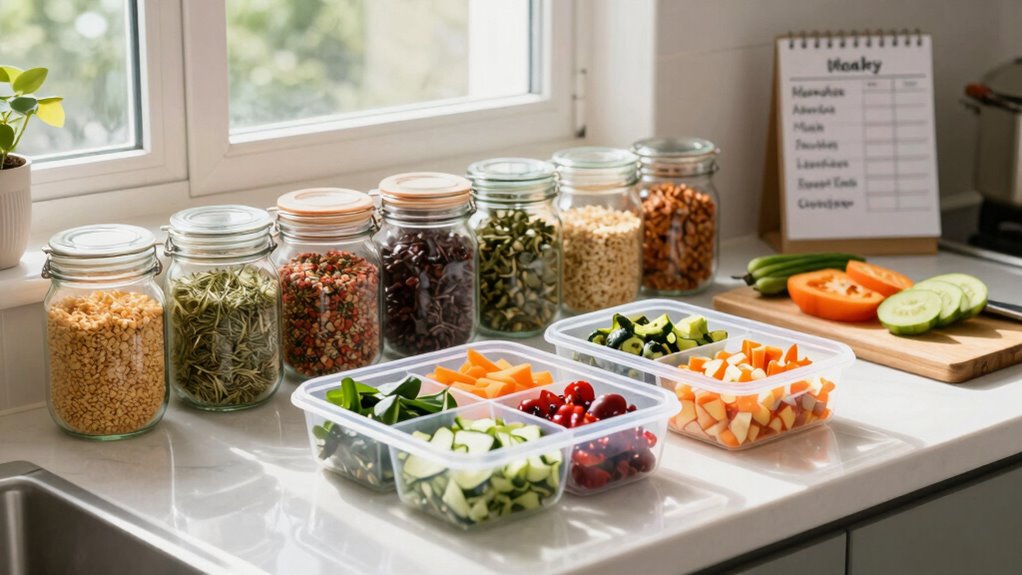
Meal planning is a practical way to save money, time, and reduce food waste. When you plan your meals ahead of time, you gain control over what you buy and how you use it, which minimizes unnecessary leftovers and spoilage. This approach isn’t about strict rules or feeling deprived; instead, it’s about making smarter decisions that align with your lifestyle and budget. As you develop your meal plan, you can incorporate simple cooking tips that help stretch ingredients further, like using versatile staples or batch cooking. These tips not only save you money but also make meal prep quicker and less stressful.
Meal planning saves money, time, and reduces food waste through smarter, flexible choices and simple cooking tips.
To avoid feeling restrictive, focus on flexibility. For example, plan for a couple of core meals but leave room for improvisation based on what’s fresh or on sale. By doing this, you prevent the sense of being tied to a rigid schedule that can lead to frustration. Instead, you create a framework that adapts to your weekly grocery shopping and mood. This way, you’re more likely to stick with your plan without feeling overwhelmed. Budget strategies come into play here, as they help you prioritize buying seasonal produce or bulk items, which tend to be more affordable and last longer. When you buy in bulk and use leftovers creatively, you cut down on waste and save money over time.
Meal planning also encourages smarter shopping habits. When you know exactly what you need, you avoid impulse buys that often lead to unused ingredients and wasted food. You can make shopping lists organized by sections of the store, which speeds up your trips and reduces the temptation to buy unnecessary items. Additionally, you can allocate some time each week to prep ingredients — chopping vegetables or cooking grains in advance — so you’re not scrambling last minute. Effective planning not only keeps your meals efficient but also cuts down on food waste, as you’re more likely to use what you’ve prepared. Understanding food storage techniques can further extend the freshness of your ingredients and prevent spoilage, making your efforts even more effective. Developing a good understanding of food preservation methods can help you maximize the longevity of your ingredients, reducing waste even further. Incorporating proper storage practices can make a significant difference in maintaining freshness and minimizing spoilage.
Ultimately, the key is to see meal planning as a tool to support your goals rather than a set of restrictions. By applying simple cooking tips and budget strategies, you make smarter choices that benefit your wallet and the environment. You’ll find that reducing waste becomes an effortless part of your routine when your plan is flexible and aligned with your needs. This mindset can also be supported by technological tools, which help you organize and optimize your meal plans. You’ll discover that incorporating these methods makes reducing waste even easier and more sustainable. You enjoy delicious, satisfying meals without the guilt of discarded food or overspending. Meal planning becomes a sustainable habit that empowers you to eat well, save money, and contribute to less food waste.
meal prep containers with compartments
As an affiliate, we earn on qualifying purchases.
As an affiliate, we earn on qualifying purchases.
Frequently Asked Questions
Can Meal Planning Save Me Money Long-Term?
Yes, meal planning can save you money long-term. It helps you cut down on food waste by using ingredients efficiently, which means you buy only what you need. This reduces unnecessary expenses and keeps your budget in check. Plus, planning meals ahead allows you to take advantage of sales and discounts, further boosting your budget savings. Over time, these habits add up, making meal planning a smart financial move.
How Flexible Should My Meal Plans Be?
Your meal plan should be fairly flexible, allowing for spontaneous cravings or unexpected events. Maintain a moderate flexibility level by planning some core meals while leaving room for plan adjustments. This way, you stay organized but avoid feeling restricted. Regularly review and tweak your plan based on what’s available or how you’re feeling. Flexibility makes meal planning enjoyable, reduces waste, and encourages healthier, less stressful eating habits.
What Are Quick Recipes for Busy Weekdays?
When time’s tight, explore quick dinner ideas that save you effort without sacrificing flavor. Whip up versatile stir-fries, hearty salads, or one-pan dishes that come together fast. Keep pre-cut veggies and cooked grains handy for even quicker meals. These time-saving recipes help you stay on track with your meal plan while avoiding waste, all without feeling rushed or restricted. Embrace simplicity, and enjoy delicious, stress-free weeknights.
How Do I Include Special Dietary Needs?
You include special dietary needs by planning meals that consider allergy management and specific diet considerations. Opt for versatile ingredients that suit multiple needs, such as gluten-free grains or dairy alternatives, and clearly label meals to avoid cross-contamination. Incorporate a variety of nutrient-rich options, and communicate with family or clients about their allergies or preferences. This way, you create inclusive, waste-reducing meal plans that everyone can enjoy safely.
What Tools or Apps Help With Meal Planning?
You can use apps like Mealime or Yummly that help create grocery lists and plan meals easily. These tools streamline your meal prep, making it simple to organize ingredients and reduce waste. They also let you customize plans based on dietary needs, so you avoid feeling restricted. With these apps, you stay on track, save time, and guarantee your grocery list covers everything, minimizing leftover food and waste.
Conclusion
By planning your meals, you can cut down on waste and avoid feeling restricted. Imagine preparing a weekly menu and shopping thoughtfully—you’ll use everything you buy. For example, Sarah started meal planning and reduced her food waste by half, saving money and time. With a little effort, you’ll enjoy delicious meals without excess leftovers, making your kitchen more sustainable and your life easier. Start today, and see the difference it makes!
Columbus Day / Indigenous Peoples' Day Picks
long weekend sales
As an affiliate, we earn on qualifying purchases.