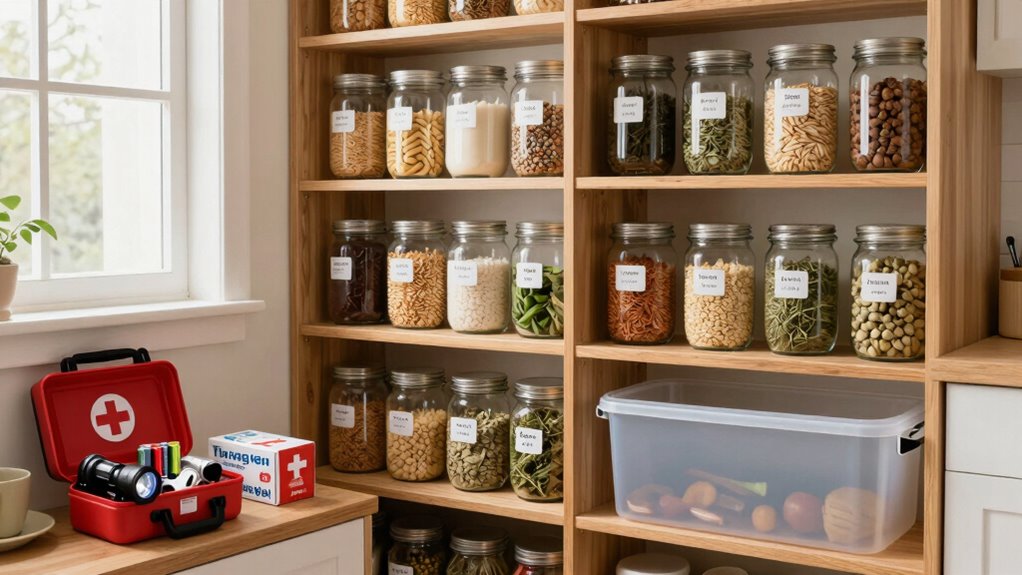

Preparedness isn’t about panic; it’s about smart household design and planning. You create a resilient home by developing clear communication plans, stockpiling essential supplies, and adding safety features. Regularly check and update your emergency kits, involve your family in routines, and understand local hazards. Such proactive steps give you confidence and control during crises. Keep exploring how these practical strategies can help you stay prepared and ready for anything.

Get garden gear delivered free with Prime
- Fast, free delivery on millions of items
- Prime Video, Amazon Music and more included
- Member-only deals all year
Key Takeaways
- Effective household design integrates safety features and accessible emergency supplies to reduce panic during crises.
- Regular planning and routine checks ensure preparedness becomes an active, ingrained part of daily life.
- Clear communication plans and designated meeting spots foster quick, organized responses in emergencies.
- Understanding local hazards and community resources enhances tailored, resilient household strategies.
- Stockpiling essentials and involving family in safety routines build confidence and stability during crises.
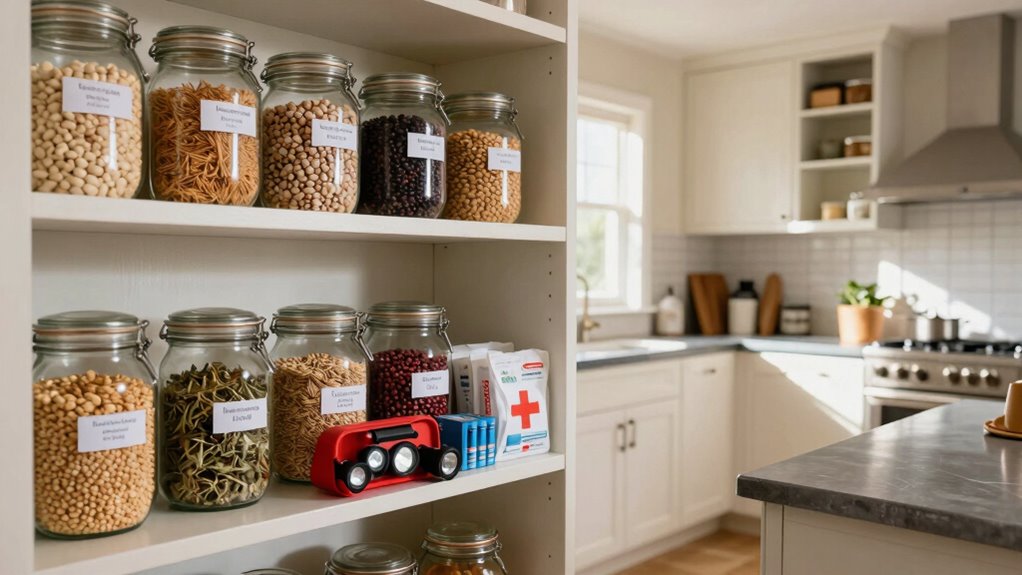
While many see preparedness as a response to panic, it’s really about creating a household that’s resilient and ready for anything. You want to feel confident that, no matter what happens—natural disasters, power outages, or other emergencies—you have a plan in place. This starts with gathering the right emergency supplies. Stock your home with essentials like water, non-perishable food, first aid kits, flashlights, batteries, and hygiene items. Don’t forget to regularly check expiration dates and restock supplies so they’re ready when needed. Having these supplies on hand means you won’t be caught off guard or scrambling during a crisis, giving you peace of mind and a sense of control.
Equally important is establishing a clear family communication plan. In emergencies, phone lines can become overloaded, or power might go out, so you need alternative ways to stay connected. Decide on a designated emergency meeting spot outside your home and ensure every family member knows it. Use multiple communication methods, such as texting, social media, or walkie-talkies, to stay in touch if traditional channels fail. Share important contacts and medical information ahead of time so everyone can access what they need quickly. Practicing these communication drills regularly helps everyone remember what to do and reduces confusion during a real event. Incorporating emergency communication systems, like two-way radios or dedicated apps, can further enhance your household’s preparedness. Additionally, understanding biodiversity within your community can help you identify local resources and natural hazards, strengthening your overall emergency strategy. Knowing about local natural hazards can guide your preparations and response plans more effectively. Recognizing the significance of community resources can also provide additional support during crises.
Designing your household for preparedness isn’t just about storing supplies or making plans—it’s about integrating these elements into your daily routine. Keep your emergency kit accessible, and involve your family in assembling it so everyone understands what’s inside. Establish routines, like checking supplies monthly or updating your plan annually, to keep preparedness active rather than passive. Incorporating home safety features**, such as smoke detectors, fire extinguishers, and secure storage for hazardous materials, is essential for a comprehensive safety approach. These small adjustments build a resilient environment** that can adapt to different challenges.
Ultimately, your goal isn’t to live in fear but to foster a mindset of readiness. When you invest in emergency supplies and develop a solid family communication plan, you’re designing a household that’s prepared rather than panicked. This approach minimizes stress, enhances safety, and ensures that your loved ones can navigate unforeseen events with confidence. Preparedness becomes an integral part of your household’s architecture, empowering you to face any challenge head-on with clarity and calmness.
As an affiliate, we earn on qualifying purchases.
Frequently Asked Questions
How Often Should Household Emergency Plans Be Reviewed?
You should review your household emergency plans at least once a year. During these reviews, conduct community drills to test your responses and identify any gaps. Also, perform safety assessments to make sure your plans stay current with potential risks. Regular reviews help you stay prepared, reinforce everyone’s roles, and adapt to changes in your household or neighborhood, making your family safer and more confident in emergencies.
What Are Cost-Effective Ways to Upgrade Household Safety?
Research shows that homes with upgraded safety technology are 30% less likely to be burglarized. To upgrade household safety cost-effectively, focus on enhancing home security with affordable solutions like smart locks, security cameras, and motion sensors. These tech improvements deter intruders and keep you safer without breaking the bank. Regularly maintaining and updating your safety devices guarantees they stay effective, giving you peace of mind and a more secure home environment.
How Can Households Prepare for Long-Term Power Outages?
To prepare for long-term power outages, you should invest in renewable energy sources like solar panels to generate electricity. Store enough water and practice water conservation to reduce dependency on municipal supplies. Keep backup power options, such as generators, and have essential supplies ready. Educate your household on energy-efficient practices, and consider installing off-grid systems to guarantee ongoing power and water access during extended outages.
What Are Key Elements of a Household Emergency Kit?
Imagine being caught in a disaster without a single emergency supply! Your household emergency kit should include water, non-perishable food, a flashlight, batteries, a first aid kit, and essential medications. Don’t forget safety drills—practicing evacuation plans and emergency procedures can save lives. Keep these supplies accessible and regularly check them to stay prepared. Being ready minimizes panic and keeps your family safe during any unexpected crisis.
How Does Household Design Influence Emergency Preparedness?
Your home’s layout and storage solutions greatly influence your emergency preparedness. An open, accessible layout helps you move quickly during crises, while strategic storage keeps essential supplies within reach. Clear pathways and designated safe zones enable swift evacuation or shelter-in-place. By designing your home thoughtfully, you reduce chaos and save time, making it easier to respond effectively during emergencies. Proper organization and thoughtful planning are key to a safer, more prepared household.
Conclusion
Remember, preparedness isn’t about panic; it’s about smart household design and planning. When you’re ready, you reduce stress and protect what matters most. Did you know that households with emergency plans are 30% more likely to handle unexpected events effectively? By taking simple steps now—like organizing supplies and creating a plan—you set yourself up for peace of mind. So, stay proactive, stay prepared, and turn preparedness into your everyday advantage.
Halloween Picks
halloween
As an affiliate, we earn on qualifying purchases.