
Choosing the right MacBook Pro for data science and AI involves balancing raw power, portability, and price. The best overall pick is the Apple MacBook Pro with the M5 Max chip, offering exceptional GPU performance for intensive AI workloads. The 14-inch M3 Pro model stands out for those prioritizing portability and cost-efficiency, while the M5 Pro models strike a balance between performance and affordability. The main challenge is deciding whether to invest in maximum GPU cores and RAM or to opt for a more budget-conscious setup that still handles demanding tasks. Keep reading to explore each option’s strengths and tradeoffs to find your ideal match.

Get garden gear delivered free — and shop member deals
- Fast, free delivery on millions of items
- Access to Prime Big Deal Days deals on October 6–7
- Prime Video, Amazon Music and more included
Complete the kit


Key Takeaways
- The highest GPU core count significantly benefits deep learning and large data processing tasks.
- Models with larger RAM are better suited for multitasking and handling massive datasets without slowdowns.
- Portability vs. power remains a key tradeoff; 14-inch models are more portable, while 16-inch variants offer maximum performance.
- Future-proofing often means investing in higher specs, but it comes with a higher price tag.
- Renewed and earlier-generation models can offer good value, but may lack the latest connectivity features like Wi-Fi 7.
| Apple MacBook Pro Laptop with M5 Pro Chip, 15-core CPU, 16-core GPU, 14.2-inch Liquid Retina XDR Display, 48GB RAM, 1TB SSD, Space Black |  | Best Overall for Balance of Power and Portability | Display: 14.2-inch Liquid Retina XDR | CPU: 15-core M5 Pro | GPU: 16-core M5 Pro | VIEW ON AMAZON | See Our Full Breakdown |
| Apple MacBook Pro Laptop with M5 Max, 18-core CPU, 40-core GPU, 16.2-inch Display, 128GB Memory, 2TB SSD, Space Black |  | Best for Heavy-Duty AI and Data Workloads | Display: 16.2-inch Liquid Retina XDR | Processor: M5 Max, 18-core CPU | GPU: 40-core | VIEW ON AMAZON | See Our Full Breakdown |
| Apple MacBook Pro Laptop with M5 Max, 18-core CPU, 40-core GPU, 14.2-inch Liquid Retina XDR Display, 64GB RAM, 2TB SSD, Silver |  | Best for Demanding Mobile Creatives and Data Scientists | Display: 14.2-inch Liquid Retina XDR | Processor: M5 Max, 18-core CPU | GPU: 40-core | VIEW ON AMAZON | See Our Full Breakdown |
| Apple 2023 14-inch MacBook Pro with M3 Pro chip, 18GB RAM, 512GB SSD, Space Black (Renewed Premium) |  | Best Budget-Friendly for Entry-Level Data Science | Display: 14.2-inch Retina | Processor: M3 Pro with 14-core GPU | Memory: 18GB RAM | VIEW ON AMAZON | See Our Full Breakdown |
| Apple 2026 MacBook Pro Laptop with M5 Pro Chip, 16.2-inch Liquid Retina XDR Display, 48GB RAM, 1TB SSD, Wi-Fi 7, Space Black |  | Best for Power Users Needing the Latest Tech | Display: 16.2-inch Liquid Retina XDR | Processor: M5 Pro, 15-core CPU | GPU: 16-core | VIEW ON AMAZON | See Our Full Breakdown |
| Apple MacBook Pro 14-inch with M5 Max Chip |  | Best for Heavy-Duty Performance and Professional-Grade Visuals | Display: 14-inch Liquid Retina XDR | Resolution: 23456-by-2234 pixels | Processor: M5 Max 18-core CPU | VIEW ON AMAZON | See Our Full Breakdown |
| Apple 2025 MacBook Pro Laptop with M5 Chip, 14.2-inch Liquid Retina XDR Display, 16GB RAM, 1TB SSD, Silver |  | Best Balance of Power and Portability for Professional Use | Processor: Apple M5 chip with 10-core CPU and GPU | Display: 14.2-inch Liquid Retina XDR | Memory: 16GB Unified Memory | VIEW ON AMAZON | See Our Full Breakdown |
| Apple MacBook Pro Laptop with M5 Max, 16.2-inch Display, 128GB Memory, 4TB SSD, Space Black | | Best for Demanding AI and Data Workloads with Massive Storage | Processor: M5 Max with 18-core CPU | GPU: 40-core | Display: 16.2-inch Liquid Retina XDR | VIEW ON AMAZON | See Our Full Breakdown |
| Apple 14-inch MacBook Pro with M5 Pro Chip, 64GB RAM, 1TB SSD, Space Black |  | Best for Professionals Needing Long Battery Life and High-End Performance | Processor: M5 Pro 18-core CPU, 20-core GPU | Display: 14.2-inch Liquid Retina XDR | Memory: 64GB | VIEW ON AMAZON | See Our Full Breakdown |
| Apple MacBook Pro Laptop with M5 Max, 16.2-inch Display, 128GB Memory, 2TB SSD, Silver | 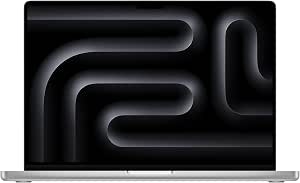 | Best for Extreme AI, Data, and Multitasking Power | Processor: M5 Max with 18-core CPU | GPU: 40-core | Display: 16.2-inch Liquid Retina XDR | VIEW ON AMAZON | See Our Full Breakdown |
| macbook pro for data science and ai | Display | Memory | Storage | Processor |
|---|---|---|---|---|
| Apple MacBook Pro Laptop with | 14.2-inch Liquid Retina XDR | 48GB Unified Memory | 1TB SSD | — |
| Apple MacBook Pro Laptop with | 16.2-inch Liquid Retina XDR | 128GB Unified Memory | 2TB SSD | M5 Max, 18-core CPU |
| Apple MacBook Pro Laptop with | 14.2-inch Liquid Retina XDR | 64GB Unified Memory | 2TB SSD | M5 Max, 18-core CPU |
| Apple 2023 14-inch MacBook Pro | 14.2-inch Retina | 18GB RAM | 512GB SSD | M3 Pro with 14-core GPU |
| Apple 2026 MacBook Pro Laptop | 16.2-inch Liquid Retina XDR | 48GB Unified Memory | 1TB SSD | M5 Pro, 15-core CPU |
| Apple MacBook Pro 14-inch with | 14-inch Liquid Retina XDR | 64GB RAM | — | M5 Max 18-core CPU |
| Apple 2025 MacBook Pro Laptop | 14.2-inch Liquid Retina XDR | 16GB Unified Memory | 1TB SSD | Apple M5 chip with 10-core CPU and GPU |
| Apple MacBook Pro Laptop with | 16.2-inch Liquid Retina XDR | 128GB | 4TB SSD | M5 Max with 18-core CPU |
| Apple 14-inch MacBook Pro with | 14.2-inch Liquid Retina XDR | 64GB | 1TB SSD | M5 Pro 18-core CPU, 20-core GPU |
| Apple MacBook Pro Laptop with | 16.2-inch Liquid Retina XDR | 128GB | 2TB SSD | M5 Max with 18-core CPU |
More Details on Our Top Picks
Apple MacBook Pro Laptop with M5 Pro Chip, 15-core CPU, 16-core GPU, 14.2-inch Liquid Retina XDR Display, 48GB RAM, 1TB SSD, Space Black
This MacBook Pro shines for its impressive combination of processing power and display quality, making it ideal for demanding data science and AI tasks. Its M5 Pro chip with a 15-core CPU and 16-core GPU provides a significant performance boost over lower-end models like the M3 Pro, especially for complex computations. The 14.2-inch Liquid Retina XDR display offers stunning visuals, which can be a benefit for visualizations and data analysis. While it’s more portable than larger options like the M5 Max models, it still delivers high-end connectivity, including Thunderbolt 5 and HDMI, to support multiple peripherals. Compared with the M5 Max models, this option balances raw power with portability, though it carries a premium price and is less suited for users who require maximum GPU performance. Tradeoffs include weight and price.
Pros:- Powerful M5 Pro chip with capable CPU and GPU
- High-quality 14.2-inch Liquid Retina XDR display
- Large 48GB RAM supports multitasking and large datasets
- Versatile connectivity options including Thunderbolt 5 and HDMI
Cons:- Premium price point limits accessibility for some
- Relatively heavy for portable use
- Limited upgradeability due to integrated components
Best for: Data scientists and AI practitioners who need a portable yet powerful machine for intensive workloads
Not ideal for: Users seeking budget-friendly options or those who prefer extensive upgradeability and custom hardware tweaks
- Display:14.2-inch Liquid Retina XDR
- CPU:15-core M5 Pro
- GPU:16-core M5 Pro
- Memory:48GB Unified Memory
- Storage:1TB SSD
- Ports:Three Thunderbolt 5, MagSafe 3, SDXC, HDMI, Headphone jack
Our verdict“This MacBook Pro is best suited for professionals who need a balanced mix of performance, display quality, and portability within the Apple ecosystem.”
Apple MacBook Pro Laptop with M5 Max, 18-core CPU, 40-core GPU, 16.2-inch Display, 128GB Memory, 2TB SSD, Space Black
This model stands out for its extreme processing power, making it suitable for complex AI training and large-scale data analysis. The M5 Max chip with an 18-core CPU and 40-core GPU significantly outperforms the M5 Pro in GPU-intensive tasks, especially compared to models like the M5 Pro. Its larger 16.2-inch Liquid Retina XDR display enhances visual clarity for detailed data visualizations. The 128GB RAM is a game-changer for handling massive datasets and multiple virtual environments. However, the tradeoff is its weight and size—less portable for on-the-go use—and its high price may deter casual or budget-conscious users. It’s best suited for dedicated AI researchers or data scientists who need maximum GPU performance on a portable Apple device.
Pros:- Unmatched GPU and CPU power with M5 Max chip
- Large 16.2-inch Liquid Retina XDR display for detailed visualizations
- Extensive 128GB RAM for handling large datasets and virtual environments
- Seamless Apple ecosystem integration
Cons:- Heavy and less portable at over 4.7 pounds
- High cost may be prohibitive for some
- Limited upgrade options due to integrated design
Best for: AI researchers and data scientists with demanding workloads who prioritize GPU performance and large memory capacity
Not ideal for: Travelers or casual users who need lightweight, budget-friendly options, or those with less intensive data tasks
- Display:16.2-inch Liquid Retina XDR
- Processor:M5 Max, 18-core CPU
- GPU:40-core
- Memory:128GB Unified Memory
- Storage:2TB SSD
- Ports:Three Thunderbolt 5, MagSafe 3, SDXC, HDMI, headphone jack
Our verdict“This MacBook Pro is ideal for AI professionals who need maximum GPU power and large memory capacity, accepting reduced portability and higher costs.”
Apple MacBook Pro Laptop with M5 Max, 18-core CPU, 40-core GPU, 14.2-inch Liquid Retina XDR Display, 64GB RAM, 2TB SSD, Silver
This 14.2-inch version offers powerful AI and data processing in a more portable form factor than the larger models like the 16.2-inch M5 Max. Its M5 Max chip with 18-core CPU and 40-core GPU ensures fast performance for intensive workloads, while the high brightness and contrast of the Liquid Retina XDR display deliver excellent visualization capabilities. The 64GB RAM strikes a balance that can handle large datasets and multitasking effectively, though it’s less than the 128GB offered in the 16.2-inch version. It’s a good choice for professionals who need high performance but prefer a lighter machine for mobility. The main tradeoff is the premium cost and less upgradeability, typical of Apple’s integrated designs. It compares favorably to the 16.2-inch model for those prioritizing portability without sacrificing too much power.
Pros:- High-performance M5 Max chip with robust GPU
- Excellent 14.2-inch Liquid Retina XDR display
- Lightweight and more portable than larger models
- Good balance of RAM and storage for demanding workflows
Cons:- Less RAM than the 16.2-inch version, limiting some heavy multitasking
- Premium price for a mid-sized machine
- Limited upgradeability due to integrated components
Best for: Creative professionals and data scientists who need high-end performance in a lighter, more portable package
Not ideal for: Users requiring maximum GPU power or extensive future upgrade options, or on a tight budget
- Display:14.2-inch Liquid Retina XDR
- Processor:M5 Max, 18-core CPU
- GPU:40-core
- Memory:64GB Unified Memory
- Storage:2TB SSD
- Ports:Three Thunderbolt 5, MagSafe 3, SDXC, HDMI, headphone jack
Our verdict“This model offers a compelling mix of performance and portability for professionals who need power on the move without carrying the largest device.”
Apple 2023 14-inch MacBook Pro with M3 Pro chip, 18GB RAM, 512GB SSD, Space Black (Renewed Premium)
This renewed model offers solid performance with the M3 Pro chip and a high-resolution Retina display, making it suitable for learners or those starting with data science projects. While it doesn’t match the raw power of the M5 series, the 14-core GPU and 18GB RAM allow for effective multitasking and moderate AI workloads. The 512GB SSD provides decent storage, though larger datasets may require external drives. Its renewed status makes it more affordable, but potential buyers should be aware of cosmetic imperfections and limited warranty. Compared to more expensive M5 models, this is less suitable for intensive AI training but works well for learning, scripting, and small-scale analysis. It’s a practical choice for those on a budget but less suitable for professional-grade data science.
Pros:- Decent performance with M3 Pro chip and 14-core GPU
- High-resolution Retina display
- Affordable for a renewed product
- Reliable performance for basic workflows
Cons:- Limited GPU and RAM for heavy workloads
- Pre-owned condition may have cosmetic issues
- Small storage capacity for large datasets
Best for: Students or beginners starting in data science and AI, seeking a capable yet affordable MacBook
Not ideal for: Advanced professionals or AI researchers working with large datasets or complex models needing maximum GPU and RAM
- Display:14.2-inch Retina
- Processor:M3 Pro with 14-core GPU
- Memory:18GB RAM
- Storage:512GB SSD
- Ports:Three Thunderbolt 4, HDMI, SDXC
- Battery Capacity:Exceeds 80%
Our verdict“This renewed MacBook Pro is a solid entry-level option for learners and casual data scientists, with some limitations for high-end AI tasks.”
Apple 2026 MacBook Pro Laptop with M5 Pro Chip, 16.2-inch Liquid Retina XDR Display, 48GB RAM, 1TB SSD, Wi-Fi 7, Space Black
This 2026 model pushes the envelope with the M5 Pro chip and a large 16.2-inch Liquid Retina XDR display, making it perfect for high-end data science and AI workloads. Its 48GB RAM supports multitasking with massive datasets and virtual environments, while the 1TB SSD ensures fast data access. The inclusion of Wi-Fi 7 enhances connectivity in high-density environments. Compared to the 14-inch M3 Pro, this model offers superior display real estate and raw power, but at a higher weight and cost. It’s ideal for professionals who need cutting-edge performance without compromise, but those who prioritize portability might prefer smaller options. The main tradeoff is its size and price, which could be overkill for lighter users.
Pros:- Latest M5 Pro chip with advanced AI capabilities
- Large 16.2-inch Liquid Retina XDR display
- High 48GB RAM for multitasking and large datasets
- Future-proof connectivity with Wi-Fi 7
Cons:- Heavy and less portable
- High price point for some users
- Size may be less convenient for frequent travelers
Best for: Power users and professionals who require maximum performance, large displays, and the latest connectivity features
Not ideal for: Travelers or casual users who need a lightweight, budget-conscious device, or for those with less intensive workloads
- Display:16.2-inch Liquid Retina XDR
- Processor:M5 Pro, 15-core CPU
- GPU:16-core
- Memory:48GB Unified Memory
- Storage:1TB SSD
- Connectivity:Wi-Fi 7, Bluetooth 6
Our verdict“This MacBook Pro is best for demanding professionals needing top-tier performance, display size, and connectivity, accepting increased weight and cost.”
Apple MacBook Pro 14-inch with M5 Max Chip
This model stands out for its exceptional display quality and the powerful M5 Max chip, making it ideal for running complex AI models or data analysis that demand high graphics and processing capabilities. Compared to the 2025 MacBook Pro with the M5 chip, the M5 Max version offers significantly more GPU cores and higher RAM capacity, which can handle larger datasets and more intensive tasks. However, this power comes with a higher price point and increased weight, which could limit portability for frequent travelers. The extensive connectivity options, including Thunderbolt 4/5 and SDXC, support multiple peripherals and data transfer needs, crucial for data scientists managing large datasets or multiple screens. The professional-grade camera and immersive audio enhance multimedia workflows but are less relevant for pure data tasks. In essence, this is best suited for professionals requiring maximum performance, despite portability tradeoffs.
Pros:- Exceptional display with vibrant colors and high resolution
- M5 Max chip delivers unmatched processing and graphics performance
- Versatile connectivity including multiple Thunderbolt ports and SDXC slot
- Professional-grade camera and immersive audio system
Cons:- High price makes it less accessible for casual or budget-conscious users
- Heavy and less portable compared to smaller models
- Limited battery life information in the provided specs
Best for: Data scientists and AI developers who need top-tier processing power, high-resolution visuals, and extensive connectivity for demanding workloads.
Not ideal for: Researchers or students on a budget or those prioritizing portability, as the weight and price can be prohibitive.
- Display:14-inch Liquid Retina XDR
- Resolution:23456-by-2234 pixels
- Processor:M5 Max 18-core CPU
- GPU:40-core
- Memory:64GB RAM
- Connectivity:Thunderbolt 4/5, HDMI, MagSafe 3, SDXC slot, headphone jack
Our verdict“This is the best choice for data professionals demanding maximum power and connectivity, accepting reduced portability.”
Apple 2025 MacBook Pro Laptop with M5 Chip, 14.2-inch Liquid Retina XDR Display, 16GB RAM, 1TB SSD, Silver
This version offers a high-performance M5 chip with a 10-core CPU and GPU, making it suitable for most data science workflows and AI tasks. Unlike the MacBook Pro with the M5 Max, it provides a more manageable size and weight, ideal for on-the-go professionals who need quick access to powerful hardware. The stunning Liquid Retina XDR display ensures clear visualization of complex data and detailed models, while the all-day battery life keeps workflows uninterrupted. However, compared to the M5 Max model, it has fewer GPU cores and less maximum RAM, which could limit performance with extremely large datasets or intensive AI model training. The port selection is limited but still sufficient for most workflows, especially if paired with adapters. Overall, this pick makes the most sense for users seeking a powerful yet portable machine that balances performance with mobility.
Pros:- Powerful M5 chip with high-performance CPU and GPU
- Stunning Liquid Retina XDR display for detailed visualization
- Seamless Apple ecosystem integration
- All-day battery life supports extended work sessions
Cons:- Premium price may be steep for some users
- Limited port options for complex hardware setups
- Less GPU and RAM capacity than the M5 Max models
Best for: Data scientists and AI practitioners who need high performance in a lighter, more portable package for frequent travel and remote work.
Not ideal for: Power users working on extremely large datasets or complex AI models that require maximum GPU and RAM capacity.
- Processor:Apple M5 chip with 10-core CPU and GPU
- Display:14.2-inch Liquid Retina XDR
- Memory:16GB Unified Memory
- Storage:1TB SSD
- Battery Life:All-day
- Ports:Three Thunderbolt 4, MagSafe 3, SDXC, HDMI, headphone jack
Our verdict“A strong choice for professionals needing a capable, portable machine that balances power and mobility without sacrificing too much performance.”
Apple MacBook Pro Laptop with M5 Max, 16.2-inch Display, 128GB Memory, 4TB SSD, Space Black
This model is tailored for users who need extreme processing power and vast storage capacity. The M5 Max chip with 18-core CPU and 40-core GPU handles AI training, data modeling, and large-scale computations with ease, outperforming the M5 Pro and standard M5 chips. The 16.2-inch Liquid Retina XDR display offers excellent visuals for data visualization and model debugging. Its 128GB RAM and 4TB SSD provide ample room for large datasets and multiple virtual environments, making it suited for intensive workflows. The extensive connectivity options, including Thunderbolt 5 and HDMI, support connecting multiple high-performance peripherals. On the downside, the high price point and weight make it less ideal for those needing portability or on a tight budget. It’s best suited for AI specialists and data engineers who prioritize raw power and storage.
Pros:- Powerful M5 Max CPU and GPU for demanding AI workloads
- Large 16.2-inch Liquid Retina XDR display for detailed visualization
- Extensive 128GB RAM and 4TB SSD storage capacity
- Advanced connectivity, including Thunderbolt 5 and HDMI
Cons:- Very high price may be prohibitive
- Heavy and large, limiting portability
- Limited upgrade options due to integrated components
Best for: AI researchers, data engineers, and professionals handling extremely large datasets or complex models that demand maximum GPU and RAM.
Not ideal for: Casual users or those who require lightweight, portable machines with less storage and processing needs.
- Processor:M5 Max with 18-core CPU
- GPU:40-core
- Display:16.2-inch Liquid Retina XDR
- Memory:128GB
- Storage:4TB SSD
- Connectivity:Three Thunderbolt 5, HDMI, Wi-Fi 7, Bluetooth 6
Our verdict“Ideal for AI and data professionals who need maximum computational power, storage, and connectivity, accepting portability tradeoffs.”
Apple 14-inch MacBook Pro with M5 Pro Chip, 64GB RAM, 1TB SSD, Space Black
This model features the M5 Pro chip with a robust 18-core CPU and 20-core GPU, making it well-suited for intensive AI tasks and data analysis. Its 14.2-inch Liquid Retina XDR display ensures sharp visuals for data visualization and model development. The up to 24-hour battery life allows extended use without frequent charging, a key benefit for fieldwork or long coding sessions. While it offers less GPU power and RAM than the M5 Max models, it compensates with high efficiency and seamless Apple ecosystem integration. The premium price may deter some, and the limited upgradeability can restrict future expansion. Still, this is a compelling choice for professionals who value longevity and reliable performance over maximum raw power.
Pros:- Powerful M5 Pro chip with robust CPU and GPU
- High-quality Liquid Retina XDR display
- Long battery life up to 24 hours
- Seamless Apple ecosystem integration
Cons:- Premium price can be steep
- Limited GPU and RAM for the most demanding workloads
- Some features may be region-specific or in beta
Best for: Data scientists and AI developers who need a high-performance machine with exceptional battery life and portability.
Not ideal for: Users working on extremely large datasets or training very complex models that require maximum GPU and RAM resources.
- Processor:M5 Pro 18-core CPU, 20-core GPU
- Display:14.2-inch Liquid Retina XDR
- Memory:64GB
- Storage:1TB SSD
- Battery Life:Up to 24 hours
- Color:Space Black
Our verdict“A strong option for professionals who prioritize battery longevity and portability without sacrificing much AI performance.”
Apple MacBook Pro Laptop with M5 Max, 16.2-inch Display, 128GB Memory, 2TB SSD, Silver
This machine exemplifies maximum performance with the M5 Max chip, featuring an 18-core CPU and 40-core GPU designed for the most demanding AI training, data modeling, and large-scale computations. Its 16.2-inch Liquid Retina XDR display offers exceptional clarity for data visualization, while the 128GB RAM and 2TB SSD support handling massive datasets and multiple virtual environments simultaneously. The extensive connectivity options, including Thunderbolt 5, HDMI, and Wi-Fi 7, make it ideal for complex workflows involving multiple peripherals. The main tradeoff involves its high cost and weight, which makes it less suited for mobile use. It truly targets AI researchers and data engineers who need raw power and storage capacity for the most intensive tasks.
Pros:- Unmatched M5 Max CPU and GPU for demanding AI workloads
- Large 16.2-inch Liquid Retina XDR display
- Massive 128GB RAM and 2TB SSD storage
- Advanced connectivity including Thunderbolt 5 and Wi-Fi 7
Cons:- Very high price point
- Heavy and large, limiting portability
- Limited upgradeability due to integrated design
Best for: AI researchers and data engineers working with extremely large models and datasets that require maximum GPU, CPU, and storage resources.
Not ideal for: Casual or mobile users who need a lightweight or more affordable option for less intensive data work.
- Processor:M5 Max with 18-core CPU
- GPU:40-core
- Display:16.2-inch Liquid Retina XDR
- Memory:128GB
- Storage:2TB SSD
- Connectivity:Three Thunderbolt 5, HDMI, Wi-Fi 7, Bluetooth 6
Our verdict“A powerhouse tailored for AI professionals handling the most demanding workloads and datasets, accepting portability limitations.”

How We Picked
These MacBook Pro models were chosen based on their ability to handle data science and AI workloads effectively. Key evaluation factors included CPU and GPU power, RAM capacity, storage options, display quality, and connectivity features. We prioritized models with high core counts and ample memory, as these directly influence machine learning performance and data processing speeds. Build quality and user experience were also considered, ensuring that the laptops are durable and comfortable for long-term use. The ranking reflects a balance between raw performance, value, and future-readiness, helping buyers identify models that excel in demanding AI and data science tasks.
| macbook pro for data science and ai | Ports |
|---|---|
| Apple MacBook Pro Laptop with | Three Thunderbolt 5, MagSafe 3, SDXC, HDMI, Headphone jack |
| Apple MacBook Pro Laptop with | Three Thunderbolt 5, MagSafe 3, SDXC, HDMI, headphone jack |
| Apple MacBook Pro Laptop with | Three Thunderbolt 5, MagSafe 3, SDXC, HDMI, headphone jack |
| Apple 2023 14-inch MacBook Pro | Three Thunderbolt 4, HDMI, SDXC |
| Apple 2026 MacBook Pro Laptop | — |
| Apple MacBook Pro 14-inch with | — |
| Apple 2025 MacBook Pro Laptop | Three Thunderbolt 4, MagSafe 3, SDXC, HDMI, headphone jack |
| Apple MacBook Pro Laptop with | — |
| Apple 14-inch MacBook Pro with | — |
| Apple MacBook Pro Laptop with | — |
Factors to Consider When Choosing Macbook Pro For Data Science And Ai
When selecting a MacBook Pro for data science and AI, understanding the core factors that influence performance and usability is vital. Not all configurations deliver the same value or longevity, so it’s important to weigh your specific needs against these key considerations.
Processor Power and GPU Performance
The CPU and GPU are the backbone of AI and data science workloads. Higher core counts and advanced GPU architectures accelerate training models and processing large datasets. Buyers should consider the balance between CPU and GPU capabilities based on their primary tasks—training deep neural networks benefits from powerful GPUs, while data wrangling and preprocessing rely more on CPU performance.
Memory (RAM) Capacity
Ample RAM is essential for working with large datasets and running multiple applications simultaneously. While 16GB might suffice for lighter tasks, models with 64GB or more are preferable for demanding AI projects. Remember, RAM is a key bottleneck if not enough for your workload, so investing in higher capacity often pays off in the long run.
Display Size and Quality
A high-quality display improves productivity, especially during data visualization or coding. Larger screens offer more workspace, but reduce portability. Liquid Retina XDR screens provide better color accuracy and contrast, which can be valuable when analyzing visual data outputs or training complex models that benefit from clear visuals.
Connectivity and Future-Proofing
Fast and reliable connectivity options like Wi-Fi 6E or Wi-Fi 7, along with Thunderbolt ports, are important for transferring large datasets and connecting peripherals. Future-proofing involves choosing models with the latest standards, ensuring compatibility with new accessories and faster data transfer, which is crucial for AI workflows that involve cloud or external GPU setups.
Price vs. Performance Tradeoff
Higher-end configurations deliver better performance but come at a premium. For many data scientists, a mid-range model with a balanced CPU, GPU, and RAM offers the best value. Buyers should consider their current needs and future plans—overinvesting might lead to unused capacity, while underinvesting could hinder progress on complex projects.
Frequently Asked Questions
Is the latest M5 Max chip necessary for AI workloads?
The M5 Max chip offers superior GPU cores and processing power, making it ideal for large-scale AI training and deep learning tasks. However, if your projects are moderate or you’re just starting out, a well-equipped M5 Pro or M3 Pro model can handle most tasks effectively. Investing in the latest chip provides more headroom for future projects but may not be necessary for every user.
How much RAM do I need for large data sets?
For working with extensive datasets or complex models, 64GB or more is advisable. This ensures smooth multitasking and prevents frequent slowdowns during training or data preprocessing. Smaller RAM configurations may suffice for lighter tasks, but they could limit your ability to handle big data efficiently and extend processing times.
Should I prioritize display size or portability?
If your work involves detailed visualization, large screens can enhance your workflow. However, portability matters if you travel frequently or prefer working in different locations. The 14-inch models offer a good compromise, combining manageable size with sufficient power, while the 16-inch versions are better suited for stationary setups where maximum performance outweighs portability.
Are renewed or older models worth considering?
Renewed and earlier-generation MacBook Pros can offer substantial savings, especially if they meet your performance needs. However, they may lack the latest connectivity options and could have shorter support lifespans. Carefully compare specs and consider future compatibility before choosing these options, ensuring they won’t hinder your current or upcoming AI projects.
Is a higher-resolution display necessary for data science?
While not strictly necessary, a high-resolution Liquid Retina XDR display enhances clarity, color accuracy, and visual detail, which can be beneficial for data visualization and interpreting complex outputs. For most data science tasks, a good display improves comfort and productivity, especially during long coding or analysis sessions.
Conclusion
For buyers seeking the best overall performance, the MacBook Pro with the M5 Max chip makes the most sense, especially for large-scale AI projects. Those on a budget or needing portability should consider the 14-inch M3 Pro model for its balance of power and size. Creative professionals and data scientists aiming for premium features will appreciate the high-end configurations with maximum RAM and GPU cores. Beginners or casual users can opt for mid-range models, while those focused on future-proofing should prioritize the latest connectivity and high specs. Ultimately, choosing the right MacBook Pro depends on your specific workload, mobility needs, and budget constraints.
As an affiliate, we earn on qualifying purchases.Fall yard work Picks
leaf blowers