TL;DR
Homes & Gardens has published a five-plant scheme for adding fall color and texture to garden beds and large containers. It combines coral bells, autumn fern, ‘Shenandoah’ switchgrass, creeping wintergreen and hellebores; how well the plants perform depends on local conditions and care.
Homes & Gardens has outlined a five-plant combination for adding autumn color and lasting structure to garden beds and large containers, pairing dark-leaved coral bells, coppery autumn fern, red-berried wintergreen, hellebores and ‘Shenandoah’ switchgrass. The design relies on foliage, berries and grass seedheads as well as flowers, though the source does not establish that the plants will thrive in every climate or remain unchanged through frost.

Get garden gear delivered free with Prime
- Fast, free delivery on millions of items
- Prime Video, Amazon Music and more included
- Member-only deals all year
The report’s palette combines plum, burgundy or near-black heuchera leaves with the copper-red new fronds of autumn fern. Creeping wintergreen contributes glossy evergreen leaves and red berries, while hellebores add durable foliage and, in many cases, flowers later in winter or early spring. Switchgrass adds height and fine-textured seedheads to contrast with the lower, rounded plants.
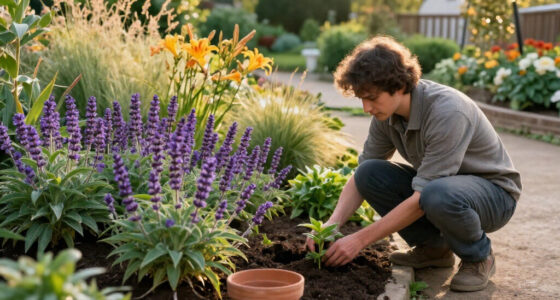
Homes & Gardens suggests placing coral bells and wintergreen near the front of a border or container, where their foliage and berries are visible. The taller switchgrass can sit behind them, with autumn fern and hellebores in suitable partly shaded areas. The report recommends repeating a heuchera cultivar in small groups rather than mixing many unrelated leaf colors, and using a single strong switchgrass clump as a focal point.
The plants have different site needs, so the combination is not a single-care recipe. Heuchera generally favors partial or dappled shade and well-drained soil; autumn fern prefers moisture-retentive but well-drained soil and shelter from harsh afternoon sun. Switchgrass needs sun for its best form and color. Wintergreen prefers acidic, moist, well-drained soil and partial shade. The report advises checking cultivar tags and local growing conditions before planting.
How the Five Plants Add Fall Color
The scheme offers gardeners an approach to fall planting that does not depend on a short-lived flush of blooms. Evergreen and persistent foliage, berries and seedheads provide different kinds of visual interest as the season changes. That can help a bed or container retain texture after summer flowers fade, although the report presents this as a design proposal rather than a guarantee of a display lasting through any particular frost or winter.
Its practical appeal is the contrast among plant forms: broad heuchera leaves, finer fern fronds, low wintergreen, hellebore foliage and upright grass. For readers planning a small bed or container, the arrangement also offers a way to assign plants distinct roles, from front-edge groundcover to a taller focal point. Success will depend on matching each plant’s light, soil, moisture and hardiness needs to the site; the fern and wintergreen, for example, have different requirements from sun-loving switchgrass.
Popular right now

De'Longhi Magnifica Duo Fully Automatic Espresso Machine with Milk Frother, Silver

Ninja Luxe Café Mini Plus Espresso and Coffee Maker with AutoFroth, Bone & Champagne

TCL 55 T7 Series 4K 120Hz QLED Smart Google TV (55T7)
As an affiliate, we earn on qualifying purchases.
The Planting Roles and Conditions
The report names the plants by both common and scientific names: coral bells (Heuchera), autumn fern (Dryopteris erythrosora), switchgrass (Panicum virgatum ‘Shenandoah’), creeping wintergreen (Gaultheria procumbens) and hellebores (Helleborus). It gives approximate hardiness ranges for several of them, but notes that conditions vary by cultivar and climate. Heuchera is described as generally suited to Zones 4–9, with some varieties hardy to Zone 3; autumn fern is listed for Zones 5–11; and ‘Shenandoah’ switchgrass for Zones 5–9. Wintergreen is described as hardy to Zone 3.
Those ranges do not remove the need to check local suitability. The source says autumn fern may be evergreen in warmer areas and semi-evergreen farther north, and cautions that tolerating frost does not mean every frond stays pristine. It also notes that wintergreen can spread slowly, so several plants may be needed for quicker coverage. For a container, the article recommends enough space for wintergreen to creep and an acidic potting mix suited to acid-loving plants.
“The effect is contemporary without feeling cold.”
— Homes & Gardens report
What Depends on Local Conditions
The source does not provide a publication date, identify a specific garden or report trial results for the five plants grown together. Its claims concern design intent and general growing guidance, not a tested guarantee that the combination will produce the same color or remain attractive in every region.
Exact performance will vary with the chosen cultivars, local hardiness, soil drainage, light and watering. The source gives no single frost date or planting schedule for the scheme, and its supplied description of hellebores is incomplete: it identifies their cold-season foliage and typical later flowers but does not provide a full set of planting or care instructions. Readers should check plant labels and local guidance before buying or positioning them.
Check the Site Before Planting
The report’s practical next step is to match plants to the conditions in the intended bed or container. Gardeners can check the cultivar’s hardiness and mature size, then place sun-needing switchgrass where it will receive enough light and reserve partly shaded, moist areas for autumn fern and wintergreen. Soil acidity and drainage matter particularly for wintergreen and for avoiding a wet heuchera crown.
Before planting, readers should also decide whether they are designing a border or container, since container size, mix and watering needs affect the result. The source points to further seasonal planting guidance but does not announce a follow-up, new product or scheduled event. The next development is therefore practical rather than news-driven: the display’s results will depend on gardeners’ selections and local growing conditions.
Key Questions
Which five plants are in the fall color combination?
The scheme pairs coral bells, autumn fern, ‘Shenandoah’ switchgrass, creeping wintergreen and hellebores. It combines foliage, berries, flowers and seedheads rather than relying on flowers alone.
Will all five plants grow well in the same spot?
Not necessarily. Their needs differ: switchgrass performs best in sun, while autumn fern and wintergreen favor partly shaded conditions. The report advises checking each plant’s soil, moisture, light and hardiness requirements before placing them together.
Which plant provides the red berries?
Creeping wintergreen produces glossy leaves and red berries that may persist from fall into spring. It prefers acidic, moist but well-drained soil and can spread slowly.
Does the planting stay colorful after frost?
The design uses foliage and seedheads for continued structure, but the source does not promise that every plant or frond will remain pristine after frost. Winter behavior depends on climate, cultivar and site conditions.
Source: homesandgardens.com