The best native perennial plants depend on your region, site conditions, and whether you want an established plant or a lower-cost seed start. My best overall pick is the Eden Brothers Native Perennial Wildflower Seed Mix for its range of 19 species, while Turk’s Cap stands out for shoppers seeking a potted plant and Purple Coneflower seeds suit gardeners who want a familiar native flower in quantity. The main tradeoff is between the convenience of live plants and the broader coverage—but greater uncertainty—of seed mixes. Regional suitability matters just as much: a plant native somewhere in North America may not be native to your own area. Read on for the full breakdown of all 15 options and guidance on matching them to your garden.

Get garden gear delivered free with Prime
- Fast, free delivery on millions of items
- Prime Video, Amazon Music and more included
- Member-only deals all year
Complete the kit


Key Takeaways
- Seed format drives the biggest tradeoff: mixed and single-species seed packets can cover more ground for less planting effort per square foot, but germination and establishment take time; potted plants, plugs, and rhizomes give you a more defined starting point.
- The 19-species Eden Brothers mix is the strongest all-round seed pick in this lineup because it offers more stated species diversity than the single-species packets, though its regional fit still needs checking.
- Turk’s Cap and the Blue Mistflower three-pack are the clearest choices for buyers who want live plants rather than the wait and uncertainty that come with starting from seed.
- Large seed counts do not mean instant garden coverage: the Midwest mix and Purple Coneflower packet offer many seeds, but site preparation, sowing conditions, and time to flowering shape results.
- Wet-site choices stand apart from general flower mixes: Blue Flag Iris and Button Bush are better starting points for damp or water-adjacent spaces than broad wildflower blends.
| Turk’s Cap Live Plant, 1-Gallon Pot |  | Best for Shady Gardens | Plant type: Live perennial | Pot size: 1 gallon | Bloom color: Red | VIEW LATEST PRICE | See Our Full Breakdown |
| Eden Brothers Native Perennial Wildflower Seed Mix, 1 oz, 19 Species |  | Best for Pollinator Meadows | Seed quantity: 1 oz | Species count: 19 | Seed type: Native perennial wildflowers | VIEW LATEST PRICE | See Our Full Breakdown |
| Prairie Smoke Seeds (Geum triflorum), Native Perennial Wildflower | 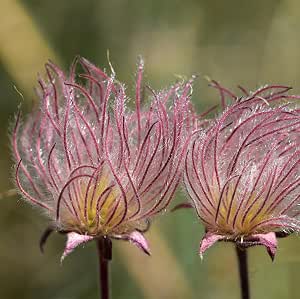 | Best for Dry, Low-Growing Gardens | Botanical name: Geum triflorum | Plant type: Native perennial wildflower | Hardiness zones: 4–9 | VIEW LATEST PRICE | See Our Full Breakdown |
| Rattlesnake Master (Eryngium yuccifolium) Native Perennial Starter Plug |  | Best Architectural Accent | Botanical name: Eryngium yuccifolium | Plant form: Starter plug | Items included: 1 starter plug | VIEW LATEST PRICE | See Our Full Breakdown |
| Blue Flag Iris (Iris versicolor) Bare Root Rhizomes, 3 Pack |  | Best for Rain Gardens | Scientific name: Iris versicolor | Plant type: Native perennial | Quantity and form: 3 bare root rhizomes | VIEW LATEST PRICE | See Our Full Breakdown |
| Purple Coneflower Seeds (Echinacea purpurea), 600 Seeds |  | Best Overall | Plant: Purple coneflower (Echinacea purpurea) | Seed count: 600 | Bloom period: Summer to fall | VIEW LATEST PRICE | See Our Full Breakdown |
| Carpet Creeping Obedient Plant Seeds, 1000 Count |  | Best for Moist, Pollinator-Friendly Borders | Plant: Physostegia virginiana | Seed count: 1,000 | Flower color: White | VIEW LATEST PRICE | See Our Full Breakdown |
| American Wildflower Seeds, 24-Variety Native Plant Pack |  | Best for Building a Diverse Native Meadow | Varieties: 24 | Plant types: Native flowers and bunchgrasses; annuals and perennials | Expected bloom period: Spring to fall | VIEW LATEST PRICE | See Our Full Breakdown |
| Seed Needs Bee Balm Seeds Variety Pack, 3 Perennial Monarda Varieties |  | Best for Fragrance and Useful Garden Harvests | Varieties: Wild Bergamot, Spotted Bee Balm, and Lemon Mint | Botanical names: Monarda fistulosa, Monarda punctata, and Monarda citriodora | Number of pieces: 250 | VIEW LATEST PRICE | See Our Full Breakdown |
| Organo Republic 16 Perennial Wildflower Seeds Mix – 4 oz Non-GMO Heirloom Blend for Indoor & Outdoor Gardens | 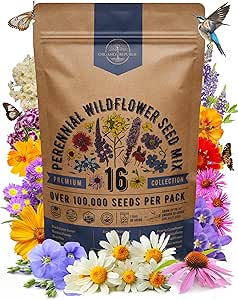 | Best for Low-Growing Mixed Plantings | Seed count: 100,000+ | Packet weight: 4 ounces | Number of varieties: 23 listed in the description and specs | VIEW LATEST PRICE | See Our Full Breakdown |
| Midwest Wildflower Seed Mix, 65,000+ Seeds, 4 oz |  | Best for Broad Midwest Coverage | Seed count: 65,000+ | Package weight: 4 oz | Varieties: 24 prairie wildflower varieties | VIEW LATEST PRICE | See Our Full Breakdown |
| 600 New England Aster Heirloom Flower Seeds |  | Best for Late-Season Pollinators | Plant type: New England aster (Aster novae-angliae) | Seed count: 600 | Flower color: Purple | VIEW LATEST PRICE | See Our Full Breakdown |
| Smooth Blue Aster Seeds, Symphyotrichum laeve, 1 Pack |  | Best Drought-Tolerant Aster | Botanical name: Symphyotrichum laeve | Pack count: 1 | Expected height: Up to 4 feet | VIEW LATEST PRICE | See Our Full Breakdown |
| Blue Mistflower Live Plants (Conoclinium coelestinum), 3 Pack |  | Best for Faster Establishment | Botanical name: Conoclinium coelestinum | Quantity: 3 live plants | Plant type: Perennial wildflower | VIEW LATEST PRICE | See Our Full Breakdown |
| Organic Button Bush (Cephalanthus occidentalis) Live Plant, 2.5-Inch Pot |  | Best for Wet-Site Wildlife Habitat | Botanical name: Cephalanthus occidentalis | Plant type: Woody perennial shrub | Pot size: 2.5 inches | VIEW LATEST PRICE | See Our Full Breakdown |
| native perennial plant | Hardiness zones | Sunlight | Bloom period |
|---|---|---|---|
| Turk’s Cap Live Plant | — | — | — |
| Eden Brothers Native Perennial | — | — | — |
| Prairie Smoke Seeds | 4–9 | — | — |
| Rattlesnake Master | USDA Zones 3–8 | — | — |
| Blue Flag Iris | 4–8 | Full sun | Late spring to early summer |
| Purple Coneflower Seeds | 3–9 | Full sun; 6–8 hours daily | Summer to fall |
| Carpet Creeping Obedient Plant | 3–9 | Full sun to partial shade | Summer to fall |
| American Wildflower Seeds | 3–9 | Full sun | — |
| Seed Needs Bee Balm Seeds Vari | 3–10 | Full sun | Summer |
| Organo Republic 16 Perennial W | — | Partial sun | Spring to fall |
| Midwest Wildflower Seed Mix | 3–9 | Full sun | — |
| 600 New England Aster Heirloom | 2–8 | Full sun or partial sun | Fall to winter |
| Smooth Blue Aster Seeds | 3–8 | Full sun to partial shade | Summer to fall |
| Blue Mistflower Live Plants | 4–11 | Full sun | Spring to fall |
| Organic Button Bush | 3–11 | — | — |
More Details on Our Top Picks
Turk’s Cap Live Plant, 1-Gallon Pot
Turk’s Cap is the strongest fit for a shaded garden in this group: it blooms in sun, partial shade, or shade, while the Eden Brothers Native Perennial Wildflower Seed Mix needs a sunny site. Its bright red, turban-shaped flowers appear from early summer until frost, giving hummingbirds a long season of nectar rather than a brief spring display. The one-gallon container plant also offers a more direct start than the seed listings, and it can return from its roots after hard winters. The tradeoff is seasonal dieback in colder parts of its range; it is hardy in Zones 7–11, so gardeners outside those zones should check local conditions. It also needs regular watering until established, and its 3- to 5-foot spread calls for room.
Pros:- Flowers in full sun, partial shade, and shade, unlike the sun-dependent Eden Brothers seed mix.
- Red flowers bloom from early summer until first frost and attract hummingbirds.
- Can return from its roots each spring after hard winters within its suitable climate.
- Arrives as one container-grown plant rather than requiring seed germination.
Cons:- Hard winters can kill back its above-ground growth.
- Needs regular watering while its roots establish.
- Its mature 3- to 5-foot spread may crowd small beds.
Best for: Gardeners in USDA Zones 7–11 who want a hummingbird-attracting perennial for a shaded or partly shaded bed.
Not ideal for: Gardeners in colder zones seeking an evergreen plant, or anyone without room for a shrub-like perennial that can spread 3–5 feet.
- Plant type:Live perennial
- Pot size:1 gallon
- Bloom color:Red
- Blooming period:Summer to fall, until first frost
- Sunlight exposure:Full sun, partial shade, or shade
- Expected height:48 inches
- Mature spread:3 to 5 feet
- USDA hardiness zones:7–11
- Moisture needs:Medium
Our verdict“Choose Turk’s Cap for a long-blooming, hummingbird-friendly perennial where shade rules out sun-loving seed mixes.”
Eden Brothers Native Perennial Wildflower Seed Mix, 1 oz, 19 Species
This mix offers the broadest species variety among the five picks, with 19 native perennial wildflowers including bergamot, black-eyed Susan, and purple coneflower. That makes it a better match than the single-species Prairie Smoke Seeds for gardeners who want a varied meadow-style planting rather than one recognizable flower. The seed is listed as 100% seed with no fillers, and the mix can provide nectar and pollen for pollinators across a sunny bed, border, or meadow. Its broad Zones 3–10 range also covers more climates than Turk’s Cap. The compromise is less control over the final look: the mix produces varied heights, and plants grow over 25 inches tall. It also requires full sun, so shaded gardens should favor Turk’s Cap instead.
Pros:- Combines 19 native perennial wildflower species, including bergamot and purple coneflower.
- Listed as 100% seed with no inert filler material.
- Suitable across USDA Zones 3–10.
- Varied blooms and heights can support pollinators over successive growing seasons.
Cons:- Requires a full-sun planting location.
- Plants grow over 25 inches tall, limiting its fit for low borders.
- A mixed seed planting offers less control over the final arrangement than individual plants or species-specific seed.
Best for: Gardeners establishing a sunny, pollinator-focused meadow or large border who want several native perennial species from one seed mix.
Not ideal for: Gardeners with shaded planting sites, compact low-growing designs, or a need to select and place each species individually.
- Seed quantity:1 oz
- Species count:19
- Seed type:Native perennial wildflowers
- Seed purity:100% seed; no fillers
- Sunlight exposure:Full sun
- USDA hardiness zones:3–10
- Plant height:Over 25 inches
- Planting seasons:Spring or fall
- Brand:Eden Brothers
Our verdict“Pick this mix for a sunny, varied perennial planting; choose Prairie Smoke Seeds instead when you want one low-growing species with a more controlled look.”
Prairie Smoke Seeds (Geum triflorum), Native Perennial Wildflower
Prairie Smoke is the most compact, drought-tolerant choice in this set once established. Its fern-like foliage stays about 6 inches tall, with flower stems reaching 12–18 inches, making it a more natural fit for a rock garden or dry meadow than the taller Eden Brothers Native Perennial Wildflower Seed Mix. Nodding pink spring flowers give way to feathery seed plumes that last into summer, adding interest beyond the bloom itself. It suits full sun to partial shade and Zones 4–9, while the Blue Flag Iris is a better match for consistently moist ground. The main cost is patience: seeds need 30–60 days of cold stratification, followed by roughly 3–6 weeks to germinate. It also needs well-drained soil and regular water during establishment.
Pros:- Low fern-like foliage suits rock gardens and other compact plantings.
- Feathery seed plumes extend visual interest after the pink spring flowers.
- Drought tolerant once established and spreads slowly by short rhizomes.
- Tolerates full sun to partial shade and attracts native bees.
Cons:- Seeds require 30–60 days of cold stratification before sowing.
- Needs regular watering while establishing.
- Requires well-drained sandy or loamy soil and will not suit waterlogged sites.
Best for: Patient gardeners in Zones 4–9 who want a low-growing native for a sunny rock garden, dry meadow, or xeriscape.
Not ideal for: Gardeners seeking quick planting results, consistently moist-site plants, or a tall mass of flowers without seed preparation.
- Botanical name:Geum triflorum
- Plant type:Native perennial wildflower
- Hardiness zones:4–9
- Expected height:Up to 15 inches; flower stems may reach 12–18 inches
- Foliage height:About 6 inches
- Sun exposure:Full sun to partial shade
- Soil type:Well-drained sandy or loamy soil
- Seed preparation and germination:Cold stratify in moist sand for 30–60 days; germination in 3–6 weeks at 65–70°F
- Spacing:8–12 inches
Our verdict“Choose Prairie Smoke for a low, dry-site planting if you are willing to prepare seeds and wait for establishment.”
Rattlesnake Master (Eryngium yuccifolium) Native Perennial Starter Plug
Rattlesnake Master brings the boldest vertical structure to this lineup, with sword-like blue-green leaves and white globe-shaped flowers on a plant that grows about 3–5 feet tall. Compared with the Blue Flag Iris, it suits dry, sunny ground rather than moist pond edges; once established, it tolerates dry, sandy, and rocky soils. Its mid- to late-summer flowers also offer a later-season pollinator resource than Prairie Smoke’s spring display. The starter plug is a young plant, so buyers get a head start over sowing seed but still need to give it time to establish before relying on its drought tolerance. It requires full sun, ideally at least six hours of direct light, and its narrow site preferences make it less flexible than Turk’s Cap.
Pros:- Distinctive blue-green, sword-like leaves and white globe flowers create strong garden structure.
- Mid- to late-summer bloom attracts bees, butterflies, and other beneficial insects.
- Tolerates dry, sandy, or rocky soil once established.
- Hardy in USDA Zones 3–8.
Cons:- Needs full sun for best performance.
- Must establish before it can tolerate dry conditions.
- A single starter plug is a young plant, not an instant mature display.
Best for: Sunny prairie and naturalistic garden designers who want a tall, sculptural native perennial for dry or rocky ground.
Not ideal for: Gardeners with shaded beds, wet garden sites, or a preference for low-growing plants; the starter plug also requires patience as it establishes.
- Botanical name:Eryngium yuccifolium
- Plant form:Starter plug
- Items included:1 starter plug
- Mature height:Approximately 3–5 feet
- Sun exposure:Full sun
- Hardiness zones:USDA Zones 3–8
- Bloom season:Mid to late summer
- Flower and foliage colors:White flowers; blue-green foliage
- Soil tolerance:Dry, sandy, or rocky soils once established
Our verdict“Choose Rattlesnake Master for a sunny, dry planting where a tall architectural accent matters more than fast coverage.”
Blue Flag Iris (Iris versicolor) Bare Root Rhizomes, 3 Pack
Blue Flag Iris is the clear wet-site specialist in this group. Its blue-violet flowers bloom in late spring to early summer, and the three bare-root rhizomes are suited to rain gardens, pond edges, and stream banks where the dry-site Prairie Smoke Seeds would be a poor match. Unlike the Rattlesnake Master starter plug, which favors dry or rocky ground once established, this iris needs consistently moist soil and regular watering. That makes its site fit highly specific but useful: it can bring native flowers and pollinator activity to a damp area that is difficult to plant well. The tradeoff is limited flexibility. It is listed for full sun and Zones 4–8, and bare-root rhizomes need suitable moisture and care as they establish.
Pros:- Three native rhizomes suit planting a small group rather than a single specimen.
- Thrives in moist areas such as pond edges, rain gardens, and stream banks.
- Blue-violet late-spring and early-summer flowers attract bees and butterflies.
- Returns each year once established.
Cons:- Needs consistently moist soil and regular watering.
- Full sun is recommended, limiting its fit in shaded gardens.
- Bare-root rhizomes require establishment care rather than providing an immediate mature planting.
Best for: Gardeners planting a sunny rain garden, pond margin, or stream bank who can provide reliably moist soil.
Not ideal for: Gardeners with dry beds, shaded sites, or no dependable way to keep the soil moist.
- Scientific name:Iris versicolor
- Plant type:Native perennial
- Quantity and form:3 bare root rhizomes
- Flower color:Blue to violet
- Bloom period:Late spring to early summer
- Sunlight:Full sun
- Hardiness zones:4–8
- Soil type:Loam
- Water needs:Moderate watering; thrives in moist soil
Our verdict“Choose Blue Flag Iris for a sunny, reliably moist garden edge; select Rattlesnake Master instead for dry ground.”
Purple Coneflower Seeds (Echinacea purpurea), 600 Seeds
Purple coneflower is my strongest all-around pick for a sunny native perennial bed: it pairs a long summer-to-fall bloom with broad hardiness and flowers that attract bees and butterflies. Once established, it handles heat, drought, and poorer soils better than the Bee Balm Variety Pack, which lists daily watering needs. That resilience makes coneflower a practical choice for gardeners who want pollinator value without constant irrigation.
The main hurdle comes before the flowers: seeds need about 4–6 weeks of cold stratification, and young seedlings still need moist soil as their roots develop. It also needs 6–8 hours of direct sun for its best flowering, so it is a poor fit for a shaded plot. Compared with the 24-variety American Wildflower Seeds pack, this offers a more focused planting rather than a mixed meadow, but the species-specific growth habit is easier to plan around.
Pros:- Blooms from summer into fall, extending flower availability for pollinators.
- Attracts bees and butterflies with nectar-rich flowers.
- Tolerates heat, drought, and poor soil after establishment.
- Hardy across zones 3–9.
Cons:- Requires approximately 4–6 weeks of cold stratification to germinate.
- Needs at least 6–8 hours of direct sun for best flowering.
- Seedlings need consistent moisture while roots establish.
Best for: Gardeners with a sunny, well-drained bed who want a hardy, pollinator-friendly perennial and are willing to prepare seeds before sowing.
Not ideal for: Shady-garden owners or gardeners seeking quick, low-preparation sowing; the seeds need cold stratification and full sun for strong flowering.
- Plant:Purple coneflower (Echinacea purpurea)
- Seed count:600
- Bloom period:Summer to fall
- Sunlight:Full sun; 6–8 hours daily
- Hardiness zones:3–9
- Soil:Well-drained loam or sandy loam
- Germination:Approximately 4–6 weeks of cold stratification
- Planting period:Spring after last frost or autumn
Our verdict“Choose this focused, resilient native perennial if you have a sunny site and can prepare the seeds before planting.”
Carpet Creeping Obedient Plant Seeds, 1000 Count
Carpet creeping obedient plant suits gardeners who can provide steady moisture and want upright white blooms from mid-summer into early fall. Its tolerance for full sun to partial shade gives it a wider placement range than the Purple Coneflower Seeds, which are listed for full sun. The flowers attract bees, butterflies, and hummingbirds, and the stems can be cut for arrangements—useful if you want the border to serve both wildlife and the vase.
This is not the most contained choice in the lineup. Underground rhizomes can spread, with division every 2–3 years suggested to keep growth in bounds; the name should not be read as a guarantee of a compact groundcover. It also prefers moist, well-drained soil, unlike the more drought-tolerant coneflower. The 1,000-seed count allows a larger sowing, but it makes less sense for a dry bed or a gardener who wants a plant that stays put without periodic control.
Pros:- White flower spikes bloom from mid-summer through early fall.
- Grows in full sun to partial shade.
- Attracts bees, butterflies, and hummingbirds.
- Cut stems can last 7–10 days in a vase.
Cons:- Spreads by rhizomes and may need division every 2–3 years.
- Requires moist, well-drained soil rather than dry conditions.
- Its 18–36-inch height may be too tall for low edging.
Best for: Gardeners with a moist border in sun or partial shade who want white pollinator flowers and stems for cutting.
Not ideal for: Gardeners with dry sites or small, tightly planned beds; it needs moisture and can spread by underground rhizomes.
- Plant:Physostegia virginiana
- Seed count:1,000
- Flower color:White
- Bloom period:Summer to fall
- Plant height:18–36 inches; expected height 30 inches
- Sunlight:Full sun to partial shade
- Soil:Moist, well-drained; adapts to clay, loam, and sandy soils
- Hardiness zones:3–9
- Spacing:18–24 inches
Our verdict“Pick this for a moist, spacious border where you can welcome its spread and make use of its cut flowers.”
American Wildflower Seeds, 24-Variety Native Plant Pack
This 24-variety pack is the broadest planting palette here, combining native flowers and bunchgrasses, including asters, coneflowers, milkweeds, sunflowers, and grasses. That mix can create more varied habitat and a longer sequence of blooms than the single-species Purple Coneflower Seeds. It is a better fit for filling a larger sunny area than for shaping a precise border: the listed expected height is 36 inches, and the mix includes both annuals and perennials.
The breadth also means less control over the final look and which plants take hold. Full sun is required, so it will not solve a shady-site planting, and the stated loam soil and low watering needs may not match every garden. Variety-specific growing and seed-saving instructions are a useful point of guidance, but buyers seeking one predictable perennial should choose a focused option such as coneflower instead.
Pros:- Includes 24 varieties of native flowers and bunchgrasses.
- Offers a stated spring-to-fall bloom period.
- Designed to support pollinators, birds, and beneficial insects.
- Packets include variety-specific growing and seed-saving instructions.
Cons:- Requires full sun, limiting use in shaded gardens.
- The 36-inch expected height is unsuitable for short groundcover needs.
- A mixed annual-and-perennial pack gives less control over the mature planting than a single-species selection.
Best for: Gardeners establishing a sunny, mixed native planting who value plant diversity and can accept a less uniform result.
Not ideal for: Gardeners with shade, limited space, or a need for a single predictable perennial species and controlled planting heights.
- Varieties:24
- Plant types:Native flowers and bunchgrasses; annuals and perennials
- Expected bloom period:Spring to fall
- Sunlight:Full sun
- Hardiness zones:3–9
- Expected plant height:36 inches
- Soil:Loam
- Moisture needs:Little to no watering
- Seed characteristics:Heirloom, non-GMO, open-pollinated; untreated
Our verdict“Choose this mix for a sunny meadow-style planting, not for a tidy bed that needs one reliably uniform perennial.”
Seed Needs Bee Balm Seeds Variety Pack, 3 Perennial Monarda Varieties
This Monarda pack earns its place through variety and scent: Wild Bergamot, Spotted Bee Balm, and Lemon Mint bring different flower forms and aromatic leaves to a sunny planting. The flowers draw bees, butterflies, and hummingbirds, while leaves and petals can be used for teas, potpourri, and crafts. Compared with the Purple Coneflower Seeds, this pack offers more variety within one plant group and added harvest uses, but coneflower is the simpler choice for a gardener prioritizing drought tolerance and a single clear planting plan.
The watering guidance is a real drawback: although the plants are described as drought-tolerant, the listed moisture need is daily watering. Full sun is also required, and the expected height of 36 inches may crowd a small bed. Its three species and mixed colors add interest, but buyers should be comfortable resolving the mismatch between drought tolerance after establishment and frequent watering during growth.
Pros:- Includes Wild Bergamot, Spotted Bee Balm, and Lemon Mint.
- Mixed flower colors and fragrances add variety to a sunny planting.
- Attracts bees, butterflies, hummingbirds, and other beneficial insects.
- Leaves and petals have uses in tea, potpourri, and crafts.
Cons:- Requires full sun.
- Listed watering guidance calls for daily watering.
- Expected height of 36 inches can overwhelm compact beds.
Best for: Sunny-garden growers who want several aromatic Monarda varieties, pollinator flowers, and leaves or petals for home crafts and tea.
Not ideal for: Gardeners seeking shade-tolerant plants, low-water seedlings, or a compact perennial for a small bed.
- Varieties:Wild Bergamot, Spotted Bee Balm, and Lemon Mint
- Botanical names:Monarda fistulosa, Monarda punctata, and Monarda citriodora
- Number of pieces:250
- Bloom period:Summer
- Sunlight:Full sun
- Expected plant height:36 inches
- Hardiness zones:3–10
- Soil:Adaptable
- Seed type:Heirloom, open-pollinated, GMO-free
Our verdict“Choose this pack for a sunny garden where fragrant, useful Monarda varieties matter more than minimal watering.”
Organo Republic 16 Perennial Wildflower Seeds Mix – 4 oz Non-GMO Heirloom Blend for Indoor & Outdoor Gardens
This blend stands out for its 15-inch expected height, making it a more manageable option for lower mixed plantings than the American Wildflower Seeds pack, which lists plants reaching 36 inches. It combines 23 perennial varieties and more than 100,000 seeds, with a stated spring-to-fall bloom period and support for bees, butterflies, and birds. Its listed hardiness range is also broad, so it can suit gardeners looking for a varied planting across many climates.
The tradeoff is that this is still a seed mix, not a predictable single-species perennial bed. Regular, moderate watering is listed, so it is less suited to a hands-off dry garden than the coneflower or the 24-variety pack. The partial-sun guidance may help where full sun is limited, but the mix is not recommended for full shade. Buyers should also note that the product title says “16” while the description and specs list 23 varieties.
Pros:- Lists 23 perennial varieties and more than 100,000 seeds.
- Expected height of 15 inches suits lower plantings better than taller meadow mixes.
- Stated spring-to-fall bloom period supports a long season of flowers.
- Listed for a broad range of USDA hardiness zones.
Cons:- Requires moderate or regular watering, unlike lower-water options in this lineup.
- Partial sun is listed, but full shade is not suitable.
- The product title says 16 varieties while the description and specs say 23.
Best for: Gardeners who want a large, lower-growing perennial seed mix for a partial-sun area and can provide regular moisture.
Not ideal for: Those seeking a single named native species, a full-shade planting, or a mix that needs little watering once sown.
- Seed count:100,000+
- Packet weight:4 ounces
- Number of varieties:23 listed in the description and specs
- Expected plant height:15 inches
- Bloom period:Spring to fall
- Sunlight:Partial sun
- Water needs:Moderate or regular watering
- Soil:Loam or potting mix
- USDA hardiness zones:1–10 and 12
Our verdict“Pick this blend for a lower, varied perennial planting in partial sun if you can keep it regularly watered.”
Midwest Wildflower Seed Mix, 65,000+ Seeds, 4 oz
For gardeners who want a broad sowing rather than one signature perennial, this 24-variety Midwest mix offers the widest blend in this group. Its 65,000-plus seeds combine annuals and perennials, so the display can change across seasons, but it is less predictable as a strictly perennial planting than the New England Aster or Smooth Blue Aster seeds. Scatter planting keeps setup simple, and the included online guide gives newer growers a basic starting point. The tradeoff is site fit: this mix calls for full sun, moderate water, and loam, so it is a weaker match for shaded beds or dry, neglected slopes. Choose it for a sunny Midwest area where variety and pollinator activity matter more than a uniform perennial border.
Pros:- Combines 24 prairie wildflower varieties, including annuals and perennials.
- Large seed count suits broader sowing areas.
- Scatter-planting directions keep the process straightforward.
- Online grow guide is included.
Cons:- Annuals in the blend mean it is not a purely perennial planting.
- Full sun and moderate watering requirements limit suitable sites.
- Loam is the stated soil type, which may not match every garden.
Best for: Midwest gardeners with a sunny, loamy area who want a mixed seasonal wildflower display and pollinator forage.
Not ideal for: Gardeners seeking only perennial species, or those planting in shade, dry soil, or a small bed where a mixed scatter sowing may be hard to control.
- Seed count:65,000+
- Package weight:4 oz
- Varieties:24 prairie wildflower varieties
- Seed origin:USA-sourced
- GMO status:Non-GMO
- Sunlight:Full sun
- Planting period:Spring or fall
- Hardiness zones:3–9
Our verdict“Choose this mix for broad, sunny Midwest sowings where variety matters more than a perennial-only composition.”
600 New England Aster Heirloom Flower Seeds
This is the more focused choice for gardeners who want purple fall flowers rather than the changing mix offered by the Midwest Wildflower Seed Mix. New England aster can reach 48 inches and spread by rhizomes and reseeding, giving it more presence over time than the compact seed-starting details suggest. That spread can help fill a border, but it also calls for room and occasional control. The main hurdle is preparation: seeds need eight weeks of cold stratification, followed by regular watering, so this is less immediate than buying the live Blue Mistflower plants. Its broad zone range and full-to-partial-sun tolerance suit more sites than some sun-only options, though the loam preference still narrows the fit. I’d pick it for a patient gardener prioritizing fall pollinator blooms.
Pros:- Fall blooms provide a focused late-season flower display.
- Attracts bees and butterflies.
- Tolerates full sun or partial sun.
- Rhizomes and reseeding can help establish a larger planting over time.
Cons:- Requires eight weeks of cold stratification before sowing.
- Needs regular watering.
- Can spread through rhizomes and reseeding, so may need management.
Best for: Gardeners in zones 2–8 who can plan ahead for cold stratification and want tall, fall-blooming purple flowers for bees and butterflies.
Not ideal for: People seeking quick color, low-preparation seeds, or a restrained plant that will not spread through rhizomes and reseeding.
- Plant type:New England aster (Aster novae-angliae)
- Seed count:600
- Flower color:Purple
- Bloom period:Fall to winter
- Expected height:48 inches
- Sunlight:Full sun or partial sun
- Hardiness zones:2–8
- Germination preparation:8-week cold stratification
Our verdict“Pick New England aster if fall pollinator flowers are the goal and you are willing to stratify seeds and manage spreading growth.”
Smooth Blue Aster Seeds, Symphyotrichum laeve, 1 Pack
Smooth Blue Aster earns its place for gardeners who want a native perennial aster that can handle less water once established. Its blue-violet flowers run from late summer into fall, while its 2–4-foot clumps make a more contained alternative to the New England Aster, which can spread by rhizomes and reseeding. It still asks for patience at the seed stage: cold stratification takes 30–60 days, and seeds must be surface-sown because they need light to germinate. That precise sowing requirement makes it less forgiving than the scatter-planted Midwest mix. Once established, though, low water needs offer a useful advantage for pollinator beds that are not irrigated regularly. I’d choose this for a sunny-to-partly-shaded site where a defined clump and drought tolerance matter more than easy germination.
Pros:- Low water needs once established.
- Blue-violet blooms extend from summer into fall.
- Native perennial suited to zones 3–8.
- Seed instructions include germination and seed-saving guidance.
Cons:- Needs 30–60 days of cold stratification.
- Seeds require surface sowing and light to germinate.
- Plants can reach up to 4 feet and need adequate spacing.
Best for: Gardeners in zones 3–8 who want a native, pollinator-friendly aster for a bed with low water availability after establishment.
Not ideal for: Seed starters who want simple direct sowing without stratification or careful surface placement, or anyone needing a small, low-growing plant.
- Botanical name:Symphyotrichum laeve
- Pack count:1
- Expected height:Up to 4 feet
- Bloom color:Blue, purple
- Bloom period:Summer to fall
- Hardiness zones:3–8
- Sunlight:Full sun to partial shade
- Cold stratification:30–60 days
Our verdict“Choose Smooth Blue Aster for a drought-tolerant native clump if you can handle its specific seed-starting steps.”
Blue Mistflower Live Plants (Conoclinium coelestinum), 3 Pack
For buyers who would rather plant starts than wait for seed germination, the three live Blue Mistflower plants are the clearest shortcut in this group. Unlike the New England and Smooth Blue Aster seed options, this arrives as an established plant, and its spreading habit can fill open ground as well as add blue-lavender flowers to a pollinator garden. That same growth habit is the main tradeoff: it suits informal borders and meadow-style spaces better than tightly arranged beds. The plants need full sun and well-drained soil, so they are not a solution for every site, despite needing little watering once established. Its listed zones, 4–11, cover a broad range, but the product information flags regional limits; check local suitability before ordering.
Pros:- Sold as three live plants rather than seed.
- Spreading growth can fill open soil.
- Blue-lavender flowers attract bees, butterflies, and other beneficial insects.
- Needs little to no watering once established.
Cons:- Requires full sun and well-drained soil.
- Spreading habit may be difficult to contain in formal or small beds.
- Regional suitability should be checked because the listing identifies areas where it may not survive.
Best for: Gardeners who want live native plants to establish a sunny pollinator border or informal groundcover without starting from seed.
Not ideal for: Gardeners with shaded or poorly drained sites, or those who need a compact plant that will stay within a fixed planting space.
- Botanical name:Conoclinium coelestinum
- Quantity:3 live plants
- Plant type:Perennial wildflower
- Expected height:3 feet
- Bloom period:Spring to fall
- Hardiness zones:4–11
- Sunlight:Full sun
- Growth habit:Spreading
Our verdict“Choose Blue Mistflower for a sunny, informal planting where live starts and spreading groundcover are more useful than a tidy clump.”
Organic Button Bush (Cephalanthus occidentalis) Live Plant, 2.5-Inch Pot
Button Bush is the outlier here: instead of a herbaceous wildflower or a packet of seeds, it is a woody native shrub suited to wet ground. Its ability to tolerate saturated soils and help with erosion gives it a clear purpose that the asters and Blue Mistflower do not share. The plant can provide flowers, seeds, and cover for wildlife, making it a stronger habitat choice than the Midwest mix when a durable shrub structure is wanted. In return, it needs room to reach about six feet and is listed for full sun with regular watering. The 2.5-inch pot is a small start, and it may arrive dormant from October through April, so early appearance can be misleading. Deer may also browse its leaves. Choose it for a suitable wet site, not a compact flower bed.
Pros:- Tolerates wet soils and can help control erosion.
- Provides flowers, seeds, and cover for wildlife.
- Woody perennial shrub can persist for many years.
- Grown without synthetic pesticides or fertilizers.
Cons:- A 2.5-inch pot means it arrives as a small plant start.
- May be semi- to fully dormant from October through April.
- Deer may feed on its leaves, and it can grow to about 6 feet.
Best for: Gardeners with a sunny, wet or erosion-prone area who want a long-lived native shrub that supports wildlife.
Not ideal for: Small-space gardeners, dry-site growers, or buyers who want immediate leafy growth from a larger established plant; deer pressure is also a concern.
- Botanical name:Cephalanthus occidentalis
- Plant type:Woody perennial shrub
- Pot size:2.5 inches
- Native range:Eastern United States and Canada
- Hardiness zones:3–11
- Expected height:6 feet
- Sun exposure:Full sun
- Soil moisture:Regular watering; tolerates wet soils
- Growing location:West Virginia, USDA Zone 6B
Our verdict“Choose Button Bush for a spacious, sunny wet site where habitat value and erosion control outweigh its slow start and shrub-sized footprint.”
How We Picked
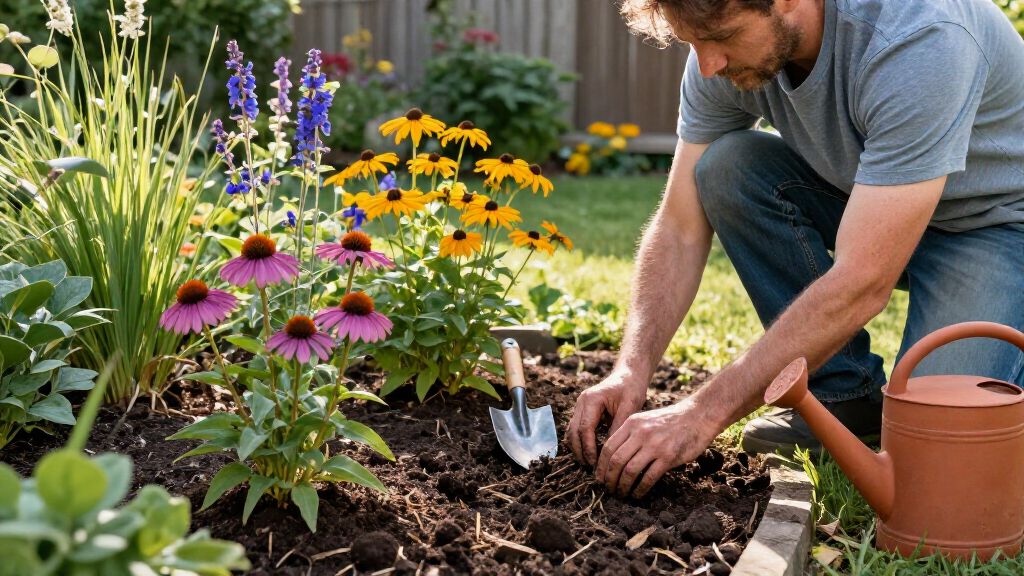
I compared these 15 options by the information supplied about their plant form, species count, seed quantity, and intended use. I gave more weight to clearly identified native species and useful distinctions—such as live plant versus seed, single species versus blend, and bare root versus potted—because those details help buyers predict planting effort and garden fit. I also considered whether an option could serve a defined need, such as a wet site, a pollinator planting, or a broad seed-starting project.
The ranking favors choices that give the widest practical value for the stated use without hiding their tradeoffs. The 19-species mix leads among the seed options for its breadth, while live plants and focused species picks rank well for gardeners with specific sites or a preference for quicker establishment. A product’s native label alone does not prove it is native to every buyer’s region, and the supplied details do not establish local provenance, bloom timing, or growing conditions; I treat those as checks buyers should make before ordering rather than assume them.
| native perennial plant | Bloom period | Sunlight |
|---|---|---|
| Turk’s Cap Live Plant | — | — |
| Eden Brothers Native Perennial | — | — |
| Prairie Smoke Seeds | — | — |
| Rattlesnake Master | — | — |
| Blue Flag Iris | Late spring to early summer | Full sun |
| Purple Coneflower Seeds | Summer to fall | Full sun; 6–8 hours daily |
| Carpet Creeping Obedient Plant | Summer to fall | Full sun to partial shade |
| American Wildflower Seeds | — | Full sun |
| Seed Needs Bee Balm Seeds Vari | Summer | Full sun |
| Organo Republic 16 Perennial W | Spring to fall | Partial sun |
| Midwest Wildflower Seed Mix | — | Full sun |
| 600 New England Aster Heirloom | Fall to winter | Full sun or partial sun |
| Smooth Blue Aster Seeds | Summer to fall | Full sun to partial shade |
| Blue Mistflower Live Plants | Spring to fall | Full sun |
| Organic Button Bush | — | — |
Factors to Consider When Choosing Best Native Perennial Plants
Before choosing a packet or plant, I would start with the garden conditions and the meaning of “native” for your location. These broader checks can prevent a low-cost seed purchase from becoming a poor fit, and can help you decide when a live plant or a focused species makes more sense.
Match Native Status to Your Region
“Native” can refer to a broad area, while plants and seed mixes may be suitable for only part of that range. Check the scientific names against a regional native-plant resource or local extension guidance, especially when a listing gives a general native label but no seed provenance. A mix with many species can include plants that do not suit your local climate or ecosystem, even when every species is native somewhere in the country. Local provenance may matter for habitat projects and restoration goals, while a home garden may prioritize verified regional suitability and site fit. If the listing does not name where its seed was collected, treat that as an open question rather than assuming local origin.
Choose Seed, Plug, Rhizome, or Potted Plant by Timeline
Seeds are useful for filling a larger area, but they ask you to manage sowing, germination, and early growth before the garden looks established. A live plant, starter plug, or bare-root rhizome gives you a more tangible starting point, though it may cover less ground and still needs proper planting and establishment care. Bare-root material is typically a seasonal planting format, so check delivery timing and planting instructions before ordering. Do not assume a large seed count means every seed will grow or flower in the first season. If you want a defined focal point or have limited time for seedling care, a live option may justify its higher planting cost and smaller initial coverage.
Read Mix Labels for More Than Species Count
A species count describes variety, not how much of each plant you will receive or whether the blend suits your garden. Look for a complete species list, sowing rate, coverage guidance, and any information about the mix’s intended region or light conditions. A 19-species mix may offer more variety than a 16-species blend, but neither number alone tells you which plants will dominate or bloom when. Broad mixes are convenient for a naturalistic planting, while single-species packets give you more control over placement and composition. If the listing leaves out key details, plan a smaller trial area before sowing a whole bed.
Match Moisture and Light Before Buying
Sun exposure, drainage, and soil moisture often determine success more strongly than a plant’s reputation for being easy. Wet-site plants such as Blue Flag Iris or Button Bush should not be treated as interchangeable with a general flower mix intended for a typical garden bed. Check whether your site stays damp, dries between rainfalls, or holds standing water, and compare that pattern with reliable growing guidance for each named species. A plant placed in the wrong moisture conditions may struggle even if it is native to your state. For mixed conditions, separate the garden into smaller planting zones rather than forcing every species into one bed.
Plan for the Garden After the First Bloom
Native perennial gardens change across the season and often need time to fill in, so choose plants with a longer view than the first flush of flowers. Consider bloom periods, mature size, spread, and whether a species may seed or expand beyond the area you have assigned. A groundcover-style selection and a tall flowering plant solve different design problems; mixing them without a spacing plan can lead to crowding or gaps. Ask whether you want a tidy border, a naturalized patch, or habitat planting, since each goal changes how much variation you may welcome. If maintenance needs are unclear from a listing, check a regional growing source before combining it with plants that have very different growth habits.
Spend More for the Problem You Need to Solve
A higher-cost format makes sense when it saves time, supplies a specific species, or fits a site that a general mix cannot address. Live plants are useful when you want an identifiable specimen, while a focused seed packet can help fill a planned gap without introducing an unknown mix of species. For a broad area, bulk seed may be more practical, but only if the blend’s composition and coverage guidance match your goal. Avoid paying for a large quantity before confirming that the species list and planting area are right for you. A small trial planting can reveal how your soil and local conditions respond before you expand the project.
Frequently Asked Questions
How can I tell whether a plant labeled native is native to my area?
Start with the scientific name, then check it against a state or regional native-plant database, botanical garden, or local extension resource. A broad label such as “native wildflower” does not show where the seed originated or whether the species naturally occurs in your specific region. For mixes, review every species listed rather than relying on the blend name alone. If provenance is not stated, ask the seller before buying, particularly for restoration or habitat projects. For a decorative garden, local suitability remains a useful standard even when exact seed origin is unavailable.
Should I buy a seed mix or individual species packets?
A mix is the simpler route when you want several kinds of flowers and are comfortable with a less controlled result. Individual packets give you better control over species placement, color, height, and the conditions assigned to each plant. Mixes can be a poor fit if their species list is incomplete or does not match your region and site. Single-species choices also make it easier to track which plants germinated and adjust your next sowing. For an unfamiliar bed, a small mixed trial plus a few targeted species can balance variety with control.
Are live native plants worth choosing over seeds?
Live plants can be a sensible choice when you want a defined plant in a particular spot or do not want to manage seed germination. Seeds can cover more ground and offer a wider range of species, but they usually need more patience before the planting looks established. Neither format removes the need to match the plant to local conditions or provide suitable care while it settles in. Plugs and bare-root plants may also have a narrower planting window than packets of seed. Choose the format around your timeline and planting area, not just the first-year appearance you hope to get.
Can I sow a native wildflower mix in a damp or partly shaded garden?
Do not assume a broad wildflower blend will suit a damp or partly shaded site; mixes can contain species with different light and moisture needs. Check the species list and compare each plant with the conditions in the part of the garden where you plan to sow it. Wet-site plants such as Blue Flag Iris or Button Bush point toward a more targeted approach for consistently moist areas, but their exact site needs still deserve a check. If the bed has mixed conditions, divide it into zones and choose plants for each zone. A small test patch can help you see what establishes before you prepare a larger area.
What should I check before ordering bare-root rhizomes or starter plugs?
Confirm the expected shipping and planting window, the quantity supplied, and whether planting instructions are included. Bare-root material can be more sensitive to delays between delivery and planting than a packet of seeds, so make sure you can prepare the site when it arrives. For plugs, check the plant size and how many are needed to cover the intended area; a small starter may take time to fill in. Verify the species’ moisture, light, and soil preferences against your garden. If those details are missing, seek reliable guidance before ordering rather than relying on the format alone.
Conclusion
For a broad seed-starting project, my best overall pick is the Eden Brothers 19-species Native Perennial Wildflower Seed Mix, with regional suitability and the full species list as key checks. The best value for covering ground is the Midwest Wildflower Seed Mix, provided its species and sowing guidance fit your site. For a more defined plant purchase, Turk’s Cap is my best premium-style live-plant choice in this lineup, while the best beginner route is a clearly identified single-species packet such as Purple Coneflower seeds, which makes placement and results easier to track than a broad blend. For damp sites, compare Blue Flag Iris and Button Bush against your actual moisture conditions; for a varied pollinator planting, consider the Eden Brothers mix or the three-variety Bee Balm pack. My final recommendation is to confirm regional fit first, then choose the format that matches your timeline and the space you need to fill.