
TL;DR

Get garden gear delivered free with Prime
- Fast, free delivery on millions of items
- Prime Video, Amazon Music and more included
- Member-only deals all year
Gardening experts recommend letting six popular perennials grow naturally rather than tidying them up regularly. This approach enhances their aesthetic appeal and promotes healthier plants. The trend encourages a more relaxed gardening style and has gained attention among plant enthusiasts.
Gardening experts now advise that letting six popular perennial plants grow naturally, rather than constantly tidying them, can improve their appearance and health. This approach promotes a more relaxed gardening style and aligns with growing interest in sustainable gardening practices.
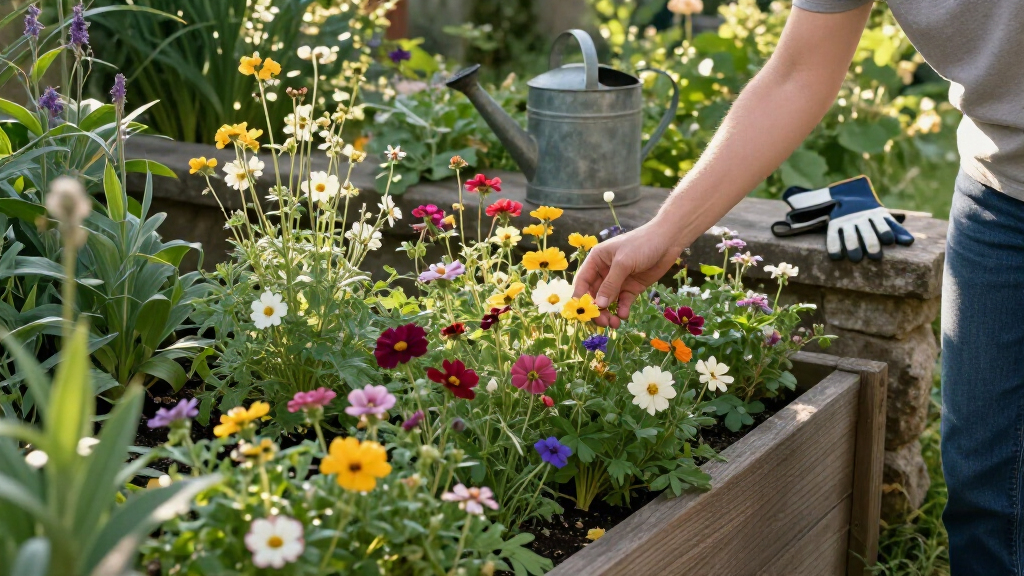
The article identifies six perennials that benefit from minimal intervention: lavender, coneflowers, yarrow, bee balm, Russian sage, and coreopsis. Experts say that allowing these plants to go a little wild results in a more natural, attractive look and can enhance their resilience. According to horticulturists, over-pruning can sometimes weaken these plants, making them more susceptible to pests and disease.
Gardeners are encouraged to resist the urge to constantly trim and shape these plants, instead letting them develop their natural form. This approach not only improves their visual appeal but also supports local pollinators, which are attracted to the less-manipulated, more natural plant structures. The trend aligns with broader movements toward sustainable gardening and reducing maintenance efforts.
Impact of Letting Perennials Grow Naturally on Garden Aesthetics and Ecology
This shift in gardening practices matters because it challenges traditional ideas of manicured landscapes, promoting biodiversity and plant health. Allowing perennials to grow more naturally can create more vibrant, wildlife-friendly gardens, reducing the need for chemical treatments and excessive maintenance. For gardeners, this approach offers a more sustainable, less labor-intensive method of garden management, which can be especially appealing amid growing environmental awareness.
As an affiliate, we earn on qualifying purchases.
Growing Interest in Low-Maintenance and Eco-Friendly Gardening
The idea of letting plants grow freely is part of a broader movement toward eco-friendly gardening, which emphasizes sustainability and wildlife support. Over recent years, many gardeners have shifted away from heavily manicured landscapes toward more naturalistic designs. Experts have long debated the benefits of pruning, with recent studies indicating that less intervention can lead to healthier, more resilient plants. This trend is gaining traction as more people seek environmentally conscious gardening options.
Unclear Long-Term Effects of Reduced Pruning on Perennials
While experts agree that minimal intervention benefits these plants in the short term, it is still unclear how this approach affects their long-term health and structural stability. More research is needed to determine whether this method is sustainable across different climates and soil conditions, and how it impacts plant lifespan and disease resistance over decades.
Monitoring and Adapting Gardening Practices Based on Results
Gardeners and horticulturists are expected to continue experimenting with letting perennials grow naturally, observing their health and appearance over multiple growing seasons. Future studies and shared experiences will help refine best practices. Additionally, gardening communities are likely to promote this approach through workshops and online platforms, encouraging wider adoption of low-maintenance, eco-friendly gardening styles.
Key Questions
Which perennials are recommended to be left to grow wild?
Experts recommend lavender, coneflowers, yarrow, bee balm, Russian sage, and coreopsis as plants that benefit from less pruning and natural growth.
Will letting plants grow wild attract fewer pests?
According to horticulturists, allowing plants to develop their natural form can support beneficial insects and pollinators, potentially reducing pest issues by promoting a balanced ecosystem.
Does this approach require less maintenance overall?
Yes, reducing pruning and shaping can lower the amount of labor needed for garden upkeep, making it a more sustainable and less time-consuming method.
Are there any risks to letting perennials grow wild?
While generally beneficial, some plants may become overly dense or susceptible to disease if not monitored. Long-term effects are still being studied, so gardeners should observe their plants closely.
Source: rss
Fall yard work Picks
leaf blowers
As an affiliate, we earn on qualifying purchases.