TL;DR

Get garden gear delivered free with Prime
- Fast, free delivery on millions of items
- Prime Video, Amazon Music and more included
- Member-only deals all year
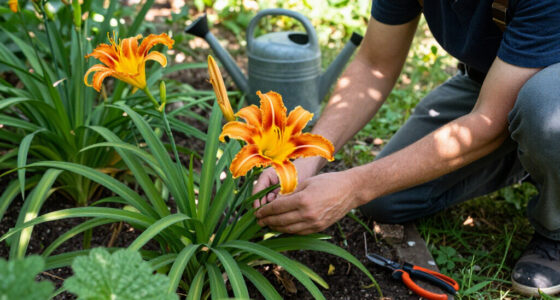
Garden experts recommend pruning six specific plants in September to maintain a tidy and healthy fall garden. Proper pruning now can promote better growth and flowering in the upcoming season.
Gardeners should prune six specific plants in September to prepare their gardens for the fall season, according to horticultural experts. Proper pruning at this time can promote healthier growth, improve flowering, and help maintain a tidy garden appearance. This guidance is especially relevant as many gardeners seek to optimize their fall landscaping efforts.
Horticultural specialists recommend pruning plants such as roses, hydrangeas, and ornamental grasses during September to encourage vigorous growth and prevent disease. You might also consider adding plants you should never prune in August to your knowledge. These plants, if pruned correctly, can produce better blooms next spring and maintain a neat appearance through the fall. Conversely, experts advise leaving certain plants, like evergreen shrubs and some perennials, unpruned to preserve their health and structure through the winter.
Pruning techniques vary depending on the plant species, but general guidelines include removing dead or diseased branches, cutting back overgrown stems, and shaping plants to improve air circulation. It is important to avoid heavy pruning on plants that are preparing for dormancy, as this can stress them and reduce their winter hardiness.
Sources from gardening organizations emphasize that timing is critical; pruning too early or too late can have adverse effects. For more tips, see our guide on ground cover plants for fall. September is considered ideal for many deciduous plants because it allows for recovery before winter and encourages new growth in the spring. However, specific instructions should be followed for each plant type to avoid damaging them.
Why September Pruning Boosts Fall Garden Health
Pruning in September is a key step in fall garden maintenance, helping plants recover from summer stress and prepare for winter dormancy. Properly pruned plants are less susceptible to disease, better able to withstand winter conditions, and more likely to produce vibrant blooms in the following season. For gardeners, this means a more attractive, manageable garden with less cleanup in the spring.
Additionally, timely pruning can prevent overgrowth and reduce the risk of pests and fungal infections, which often take hold in unpruned, cluttered plants. This practice supports overall garden health and reduces long-term maintenance efforts.
As an affiliate, we earn on qualifying purchases.
Seasonal Pruning Practices and Plant Selection
Pruning in September aligns with traditional horticultural advice, which recommends trimming certain plants before dormancy begins. Historically, gardeners have focused on pruning roses, hydrangeas, and ornamental grasses during this period to maximize their health and aesthetic appeal. Recent trends also emphasize the importance of understanding each plant’s specific needs, as improper pruning can lead to reduced flowering or increased vulnerability to pests.
While some plants, like evergreen shrubs, are best left untouched during fall, others benefit from targeted pruning to control size and shape. The timing of pruning varies among species, with some needing to be cut back earlier in the season, and others, like certain perennials, requiring minimal intervention.
Current gardening resources highlight that September is a transitional month, offering an optimal window for pruning many deciduous plants, provided the correct techniques are used. The trend of early fall pruning is supported by research indicating improved plant vigor and garden tidiness.
Unconfirmed Trends and Plant-Specific Recommendations
While general guidelines for September pruning are well-established, specific recommendations can vary based on local climate, plant variety, and individual garden conditions. It is not yet clear whether emerging trends or new research will modify these practices in the near future. Additionally, some gardeners question whether pruning at this time might stress certain plants, though experts generally agree it is safe if done correctly.
Next Steps for Gardeners and Seasonal Pruning Tips
Gardeners should identify their plants and consult specific pruning guidelines for each species. As September progresses, they can begin pruning the recommended plants, ensuring they use proper tools and techniques. Monitoring weather conditions is also important; pruning before a period of heavy rain or frost is advisable. Future updates from horticultural experts may refine these recommendations based on seasonal weather patterns and new research.
Key Questions
Which six plants should I prune in September?
Experts recommend pruning roses, hydrangeas, ornamental grasses, viburnum, spirea, and certain fruit trees during September to promote healthy growth and flowering.
Are there plants I should avoid pruning in September?
Yes, evergreen shrubs, some perennials, and plants that are preparing for dormancy should generally not be pruned in September to prevent stress and winter damage.
Can I prune all my plants now, or are there exceptions?
It’s best to follow specific guidelines for each plant species. While many deciduous plants benefit from September pruning, some plants require different timing or minimal intervention.
What tools should I use for pruning in September?
Use clean, sharp pruning shears or loppers suitable for the size of the branches. Disinfect tools before use to prevent disease transmission.
Will pruning now affect next year’s flowering?
Proper pruning can enhance flowering by encouraging new growth, but over-pruning or incorrect cuts may reduce blooms. Follow species-specific advice for best results.
Source: rss
Halloween Picks
halloween
As an affiliate, we earn on qualifying purchases.