TL;DR

Get garden gear delivered free with Prime
- Fast, free delivery on millions of items
- Prime Video, Amazon Music and more included
- Member-only deals all year
A Homes & Gardens gardening report recommends seven spring-flowering bulbs to plant in October, when soil conditions in many regions can support root growth before winter. The supplied report details winter aconites, glory of the snow, alliums and dwarf irises; it does not provide the remaining three entries or establish that October is right for every climate.
Homes & Gardens has published an October bulb-planting guide recommending seven spring-flowering bulbs for gardeners planning color after winter. The supplied report gives planting advice for winter aconites, glory of the snow, alliums and dwarf irises, and says the right timing depends on soil temperature, frost dates and local climate; gardeners can also explore fall bulbs for spring color.
The report says October is a useful planting month in many areas because soil may remain warm enough for bulbs to establish roots before colder weather, and this October sowing guide offers ideas for flowers to grow for next spring. It identifies USDA zones 6 to 8 as places where October is often a prime period, while gardeners in warmer areas may find November more suitable. Gardeners in frost-prone hollows may need to plant earlier. These are general recommendations, not a guarantee for every garden.
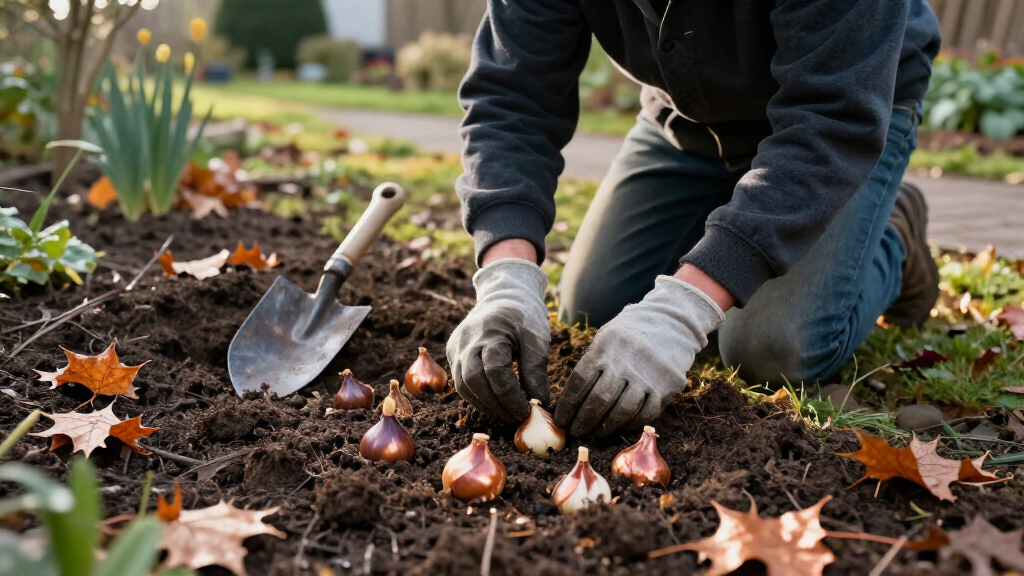
Among the four bulbs described in the supplied text, winter aconites produce small yellow flowers early in the year and suit partial or dappled shade; see more spring-flowering bulb ideas for additional garden options. The report recommends soaking their dry tubers in tepid water for several hours, then planting them in clusters about 2 to 3 inches deep in moist but well-drained soil. Glory of the snow, which flowers from late winter into early spring, is described as performing best in a sunny location, though it can tolerate partial shade. The source advises planting it around four weeks before the first winter frost, at roughly three times the bulb’s depth.
Alliums offer later flowers, from late spring into early summer, and their blooms can attract pollinators such as bees, according to the report. It advises waiting until soil cools to about 50°F to 60°F to reduce the risk of bulbs flowering prematurely after planting. Dwarf irises are typically planted after soil temperatures fall below 60°F but before the first frost; the source recommends well-drained ground to limit rot and says they flower, depending on location, around February or March.
Plan Bulbs Around Local Conditions
The practical value of the advice is its focus on planting conditions rather than a fixed calendar date. Bulbs need time to root before winter, but planting while soil remains warm can affect some varieties. Using frost dates, soil temperature and drainage as guides may help gardeners make better choices than following an October rule without regard to location.
The four described plants also offer different flowering periods and growing conditions: winter aconites and glory of the snow can bring color earlier, while alliums extend the display toward summer. That range can help gardeners plan a succession of blooms. The report does not, however, provide evidence about guaranteed results or quantify how many flowers gardeners should expect.
spring-flowering bulbs for planting in October
As an affiliate, we earn on qualifying purchases.
As an affiliate, we earn on qualifying purchases.
Why October Is Often Recommended
Spring-flowering bulbs are generally planted months before they bloom. The source explains that the intended window is when the soil is workable and roots have time to develop before winter’s cold period. October can meet those conditions in many temperate gardens, but regional climate and garden microclimates matter: a warm area, exposed site or frost pocket may call for a different schedule.
The supplied article describes itself as advice drawn from the writer’s horticultural experience and presents particular varieties and planting techniques. Its excerpt also warns that many bulbs are toxic to people and pets. It recommends wearing gloves when handling bulbs and taking extra care where children are present. The provided text names seven bulbs in its headline but includes descriptions for only four, so it cannot support a complete account of the full list.
“October is prime bulb-planting season for many of us, especially those in USDA zones 6-8.”
— Homes & Gardens report
Four Bulbs Detailed in the Excerpt
The provided source material does not include descriptions for three of the seven bulbs named in the headline. Their identities, planting instructions and flowering periods therefore cannot be reported from this excerpt. It is also not clear which particular climate or location the reader has in mind, so the October timing guidance cannot be treated as a site-specific recommendation.
The source offers general gardening advice rather than controlled results. Outcomes can vary with soil drainage, local frost dates, sunlight and weather. It does not specify a complete planting calendar for every region, nor does it quantify flowering performance or pollinator effects.
Check Frost Dates Before Planting
Gardeners considering these bulbs can first check local frost expectations and whether their soil is workable and well drained. For the varieties described, the report gives specific cues: plant winter aconites in moist, well-drained soil; give glory of the snow a sunny position where possible; wait for cooler soil before planting alliums; and keep dwarf irises out of waterlogged ground. Gloves and careful storage away from children and pets are sensible precautions when handling bulbs.
Further reporting on the complete seven-bulb list would be needed to identify the three varieties absent from the supplied excerpt. Until then, the confirmed guidance covers only the four bulbs detailed above, and planting dates should be adjusted to local conditions.
Key Questions
Which bulbs does the supplied report describe?
It gives details for winter aconites, glory of the snow, alliums and dwarf irises. Although the headline promises seven bulbs, the supplied excerpt does not identify the other three.
Is October the right month to plant bulbs everywhere?
No. The report says October is often suitable in USDA zones 6 to 8, while warmer areas may be better suited to November. Local frost dates, soil conditions and garden exposure can change the timing.
How should winter aconites be planted?
The source recommends soaking dry tubers in tepid water for several hours and planting them in clusters about 2 to 3 inches deep in moist, well-drained soil. It says they do well in partial or dappled shade.
Are bulbs safe to handle around children and pets?
The report cautions that many bulbs are toxic to people and pets. It recommends wearing gloves and taking care where children are present. Keep bulbs and planting materials out of reach.
Source: rss
Halloween Picks
halloween
As an affiliate, we earn on qualifying purchases.