TL;DR

Get garden gear delivered free with Prime
- Fast, free delivery on millions of items
- Prime Video, Amazon Music and more included
- Member-only deals all year
A recent trend highlights seven simple gardening hacks that can significantly improve gardening results. These tips, supported by expert advice, focus on efficiency, plant health, and sustainability. The interest in these hacks is rising as gardeners seek practical, easy improvements.
Gardening enthusiasts are adopting seven simple hacks that can significantly improve plant health, increase yields, and make gardening more efficient. These tips, supported by expert advice and rising online interest, are changing how many approach their gardening routines.
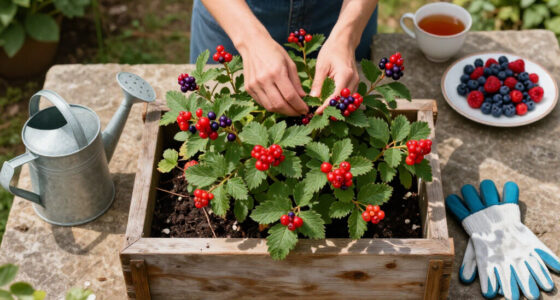
The seven hacks include practices such as using compost tea for better nutrient absorption, employing companion planting to deter pests naturally, and optimizing watering techniques to conserve water while promoting healthy roots. Experts say these small adjustments can lead to noticeable improvements in plant growth and garden productivity.
According to gardening specialists, these tips are easy to implement and require minimal extra effort or expense, making them accessible for both beginner and experienced gardeners. The rising online coverage and search interest suggest a growing trend toward practical, science-backed gardening methods.
While these hacks are gaining popularity, some claims about their effectiveness are based on anecdotal evidence or traditional practices, and comprehensive scientific validation is still ongoing. Nonetheless, many gardeners report positive results after applying these tips.
Why These Hacks Matter for Gardeners
These gardening hacks matter because they offer practical ways to improve plant health, increase yields, and reduce resource use without significant cost or effort. As gardening becomes more popular amid environmental concerns and food sustainability efforts, adopting simple, effective techniques can help gardeners achieve better results and contribute to more sustainable practices.
Moreover, these tips can empower novice gardeners to succeed and encourage more environmentally friendly practices, such as water conservation and pest management without chemicals. The trend reflects a shift toward evidence-based, sustainable gardening methods that benefit both individual gardeners and the environment.
As an affiliate, we earn on qualifying purchases.
Growing Interest in Practical Gardening Tips
Over recent weeks, online gardening communities and search engines have seen a spike in interest around simple, actionable gardening hacks. This surge appears to be driven by gardeners seeking efficient ways to maximize their efforts amid increasing environmental awareness and economic concerns. While the specific trigger for this trend remains unconfirmed, it coincides with broader shifts toward sustainable and low-maintenance gardening practices.
Historically, gardening trends have fluctuated with seasons and social media influences, but the current focus on small, effective hacks suggests a desire for tangible, easy-to-implement improvements that can deliver quick results. Experts note that this trend aligns with a broader movement toward eco-friendly, cost-effective gardening solutions.
Effectiveness and Scientific Validation of Hacks
While anecdotal reports and traditional practices support these hacks, comprehensive scientific studies validating their effectiveness are still ongoing. Some claims are based on experience rather than rigorous research, and results may vary depending on conditions.Monitoring Adoption and Scientific Research
Researchers and gardening experts plan to conduct more formal studies to validate these hacks’ effectiveness. Meanwhile, gardening communities will likely continue experimenting with these tips, sharing results and refining practices. As evidence accumulates, these hacks could become standard recommendations for sustainable gardening.
Key Questions
Are these gardening hacks suitable for all climates?
Most of the hacks are adaptable to various climates, but effectiveness may vary depending on local conditions. Gardeners should consider their specific environment when implementing these tips.
Do I need special equipment to try these hacks?
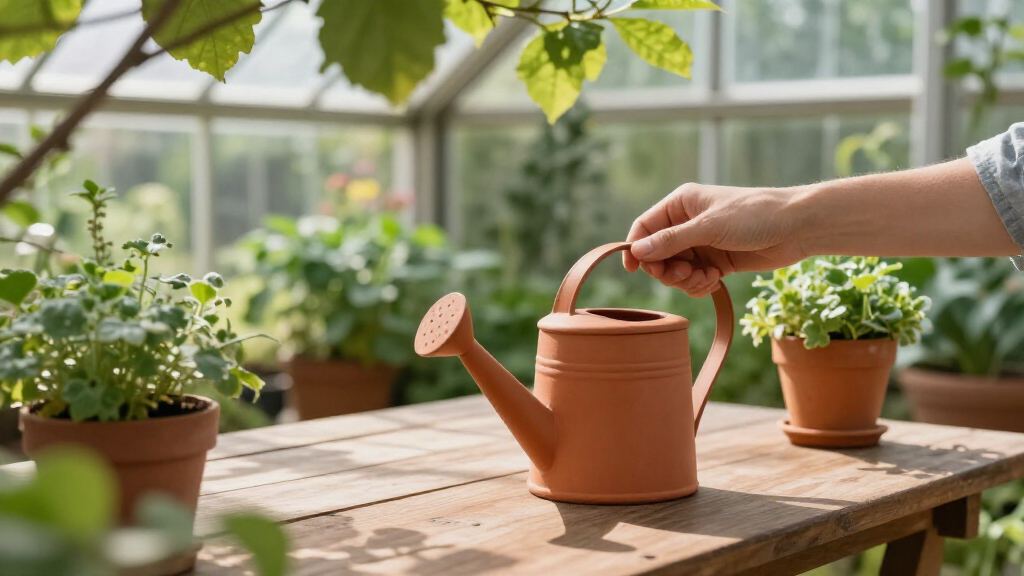
Generally, no. Many hacks involve simple adjustments like watering techniques or companion planting that require minimal or no extra equipment.
Are these hacks safe for edible plants?
Yes, most of these practices, such as compost teas and companion planting, are safe for edible plants when used correctly. Always follow guidelines and avoid chemicals unless specified.
Will these hacks work for large-scale commercial gardening?
While many hacks are suitable for small gardens, some may need adaptation for larger operations. Further research is needed to confirm their effectiveness at scale.
When will there be scientific validation of these hacks?
Researchers are planning or conducting studies, but results may take months or years. Until then, gardeners should consider these hacks as promising but not guaranteed solutions.
Source: rss
Halloween Picks
halloween
As an affiliate, we earn on qualifying purchases.