
TL;DR
Open a free Amazon Business account
Business pricing, bulk buying and tax-exempt orders.
Create a free accountAs an affiliate, we earn on qualifying purchases.
A berry-covered shrub is attracting attention as a possible aesthetic alternative to privet in gardens. While interest is rising, details about its cultivation and benefits remain unconfirmed. Experts suggest it could offer a decorative and eco-friendly option.
Search interest in a berry-covered shrub has recently surged as gardeners and landscape enthusiasts explore it as a potential attractive alternative to privet. While official horticultural endorsements are pending, the trend indicates growing curiosity about this plant’s aesthetic appeal and environmental benefits.
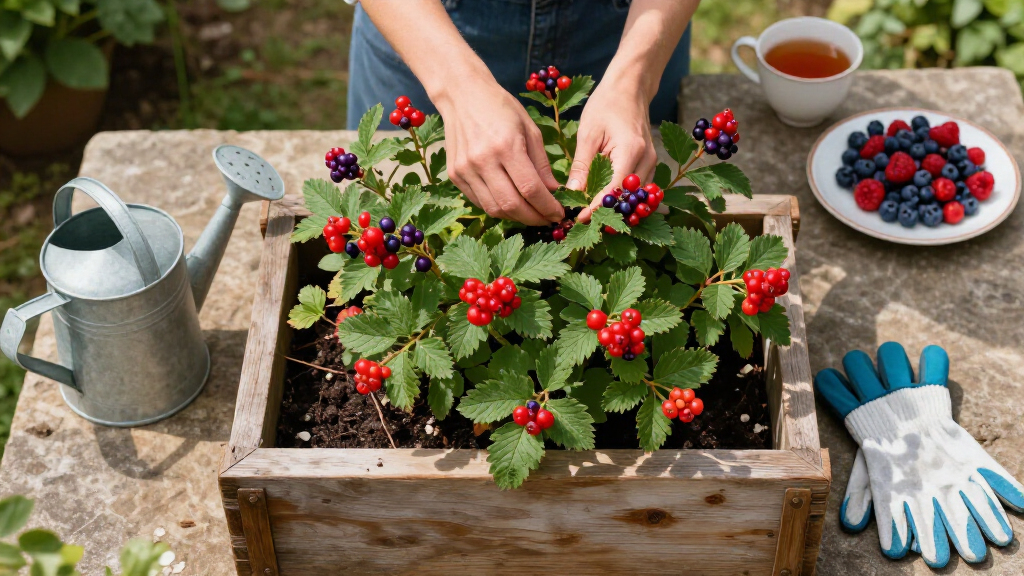
The plant in question is described as a shrubs with abundant berry-like fruit, which some sources suggest could serve as a decorative, low-maintenance option for hedging or ornamental planting. The spike in online searches and garden forums reflects rising interest, but there are no confirmed cultivation guidelines or scientific evaluations yet. Experts note that the plant’s popularity may be driven by its visual appeal and potential for ecological benefits, such as attracting wildlife.
Despite the buzz, horticultural authorities have yet to officially endorse or provide detailed information on the shrub’s growth requirements, toxicity, or compatibility with different climates. The trend appears to be based on anecdotal reports and early observations, with no formal studies published at this stage.
Potential Garden and Ecological Benefits of the New Shrub
This emerging trend could influence garden design by offering an alternative to privet that is both visually appealing and environmentally friendly. If the shrub proves easy to cultivate and non-toxic, it may appeal to gardeners seeking sustainable landscaping options that support local wildlife, such as birds and insects. The increased interest also signals a possible shift in consumer preferences toward native or less invasive plants, which could impact nursery offerings and horticultural practices.
As an affiliate, we earn on qualifying purchases.
Rising Online Interest in Unique Garden Plants
Over recent weeks, online search trends show a notable uptick in queries related to berry-covered shrubs, garden alternatives to privet, and ornamental plants with edible or decorative berries. This surge appears to be driven by garden enthusiasts sharing discoveries on social media and gardening forums. Historically, privet has been a popular hedge plant but faces criticism for invasiveness in some regions and ecological concerns. The new shrub’s rising profile may reflect a desire for more sustainable, wildlife-friendly options.
However, the plant’s exact identity, origin, and growth characteristics remain unconfirmed, with most reports based on early observations and unverified sources. Experts caution that until more scientific data is available, it’s premature to recommend widespread planting.
Unconfirmed Details About the Berry-Covered Shrub
It is not yet clear what specific species the shrub belongs to, its full cultivation requirements, or its environmental impact. No official horticultural studies or plant identifications have been published, and claims about its benefits remain anecdotal. The true extent of its ecological friendliness or toxicity is still unknown, and experts urge caution until more data emerges.
Next Steps for Verification and Adoption
Researchers and horticultural authorities are expected to investigate the plant’s identity and characteristics in the coming months. Gardeners and nurseries may begin trial planting based on anecdotal reports, but widespread adoption hinges on scientific validation. Monitoring of its ecological impact and potential invasiveness will be critical before it can be recommended as a mainstream alternative to privet.
Key Questions
What is the berry-covered shrub being discussed?
The specific identity of the shrub has not been confirmed; it is currently known through online interest and anecdotal reports as a promising garden alternative to privet.
Why are people interested in this shrub?
Interest is driven by its visual appeal, potential as a low-maintenance hedge, and possible ecological benefits, but scientific data is still lacking.
Is this plant safe for wildlife and pets?
It is too early to determine safety; no official toxicity assessments have been published yet.
When will more information be available?
Researchers are expected to study the plant in the coming months, but definitive information and recommendations may take longer to develop.
Should I consider planting this shrub now?
Experts advise caution until more verified data is available; it is not yet recommended for widespread planting.
Source: rss
Fall Picks
fall essentials
As an affiliate, we earn on qualifying purchases.