TL;DR
Search interest in hummingbird feeding tips is rising as fall approaches. Experts recommend five key strategies to ensure hummingbirds are safe and well-fed during migration season. These tips help protect birds and enhance observer enjoyment.
As fall migration nears, interest in feeding hummingbirds peaks, prompting experts to share five essential secrets to help backyard enthusiasts provide safe, nutritious, and effective feeders for these tiny birds during their migration season.
Recent trends indicate a spike in searches related to hummingbird feeding, likely driven by increased bird-watching activity and seasonal interest. Experts emphasize five key strategies: maintaining clean feeders, using the right nectar mixture, avoiding harmful additives, positioning feeders correctly, and providing consistent food sources. These practices are confirmed to promote hummingbird health and safety during fall migration.
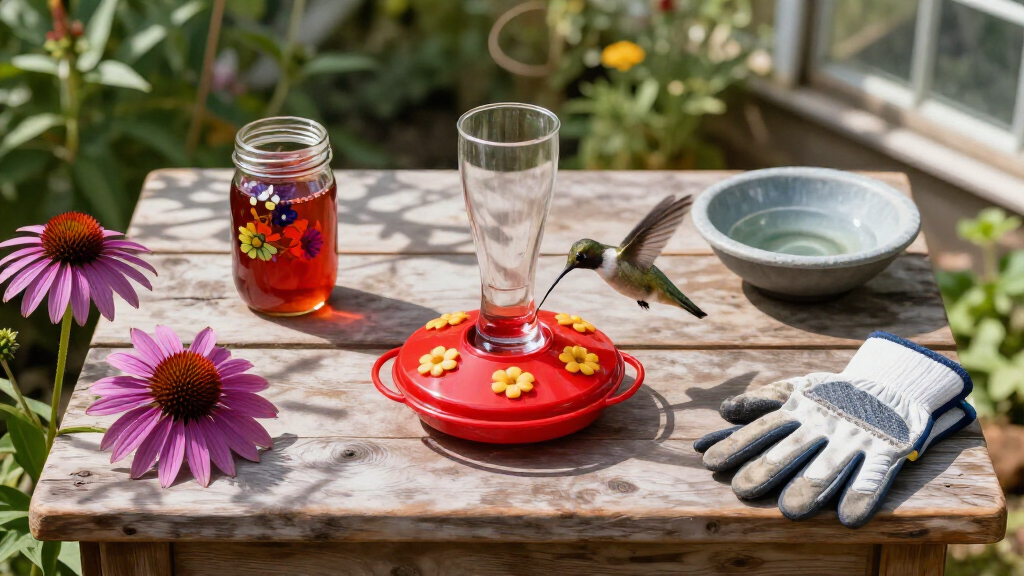
Cleaning feeders thoroughly and regularly is crucial, as stagnant or contaminated nectar can cause illness. The recommended nectar is a simple mixture of four parts water to one part sugar, avoiding dyes and artificial additives that can harm birds. Proper placement—such as hummingbird feeder placement in shaded, sheltered areas—helps prevent predators and discourages mold growth. Consistent feeding throughout the migration period ensures hummingbirds can rely on a steady food source, especially in areas where natural nectar sources diminish.
While these tips are widely supported by ornithologists and bird conservation groups, some claims about specific hummingbird feeder practices remain under discussion among experts. Nonetheless, the core principles of cleanliness, safety, and consistency are universally accepted as best practices for fall hummingbird feeding.
Why These Secrets Are Critical for Hummingbird Health
Implementing these five feeding secrets is vital for supporting hummingbird populations during their critical fall migration. Proper feeding helps ensure birds have enough energy to complete their journey and reduces the risk of disease transmission caused by contaminated feeders. For bird watchers and conservationists, following these guidelines enhances the experience of observing these vibrant birds while contributing to their well-being.

Glass Hummingbird Feeder for Outdoors Hanging, 26 fl oz Bird Nectar Feeder
- Vibrant, Durable Glass Design: Retro-style, long-lasting, fade-resistant glass
- Multiple Feeding Ports: 5 flower-shaped ports with perch
- Large Capacity: 24 oz nectar capacity
As an affiliate, we earn on qualifying purchases.
As an affiliate, we earn on qualifying purchases.
Fall Migration and Increased Feeding Interest
Hummingbird feeding has become a popular activity among backyard bird enthusiasts, especially as fall approaches. The migration period, which varies regionally but generally occurs from late summer to early fall, is a critical time when natural nectar sources decline, prompting increased reliance on feeders. Although the trend of feeding hummingbirds is longstanding, recent online search data shows a notable rise in interest, likely fueled by social media and birding communities sharing tips and success stories. Experts note that this seasonal spike aligns with the birds’ need for energy during migration, making proper feeding practices more important than ever.
While the specific trigger for the current surge in interest remains unconfirmed, the pattern suggests a growing awareness of the importance of safe feeding practices. This increased attention underscores the need for accurate, science-based guidance to ensure hummingbirds’ health and safety during this critical period.
Unconfirmed Claims and Ongoing Debates
While the core advice on feeder cleanliness and nectar composition is well-supported, some specific recommendations—such as exact placement height or the use of certain additives—remain under discussion among experts. Additionally, the precise impact of these practices on migration success and overall health is still being studied, and more data may emerge in the coming months.
Next Steps for Bird Enthusiasts and Researchers
Bird watchers and conservation groups are expected to continue sharing best practices through social media, workshops, and publications. Researchers will likely monitor hummingbird health and migration success to refine feeding guidelines further. As fall progresses, observing the birds’ response to these practices will help validate or adjust current recommendations, ensuring ongoing support for hummingbird populations.
Key Questions
How often should I clean my hummingbird feeders?
It is recommended to clean feeders thoroughly at least once a week, and more frequently in hot or humid weather to prevent mold and bacterial growth.
Can I use honey or artificial sweeteners in hummingbird nectar?
No. Experts advise against using honey, artificial sweeteners, or dyes, as these can harm hummingbirds. Stick to a simple mixture of four parts water to one part sugar.
Where is the best place to hang a hummingbird feeder?
Place feeders in shaded, sheltered locations away from predators, ideally in areas visible from windows for easy observation. Avoid direct sunlight which can promote mold growth.
Should I leave feeders out year-round?
Yes, if you live in a region where hummingbirds are present year-round, maintaining feeders can support local populations outside migration periods.
What signs indicate a sick or dying hummingbird?
Signs include lethargy, inability to fly, disorientation, or abnormal wing movements. If observed, contact local wildlife rehabilitators for guidance.
Source: rss