
TL;DR

Get garden gear delivered free with Prime
- Fast, free delivery on millions of items
- Prime Video, Amazon Music and more included
- Member-only deals all year
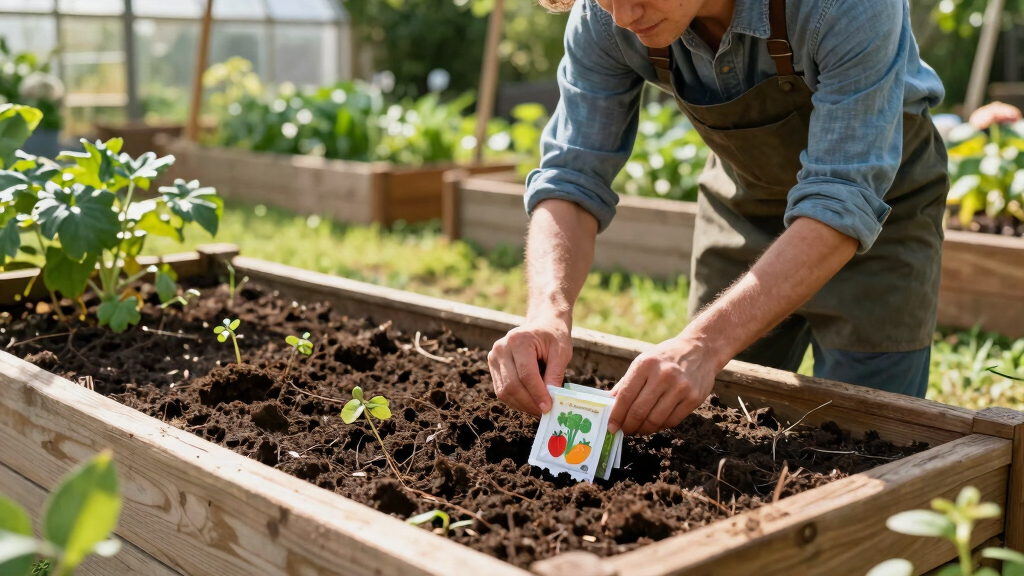
Gardeners are advised to sow seven specific vegetable seeds in July to prepare for fall harvests. Experts confirm that starting these crops now can lead to successful yields before winter.
Why Starting Fall Crops in July Benefits Gardeners
Planting these vegetables now allows gardeners to extend their growing season and enjoy fresh produce well into the colder months. It helps maximize the use of summer weather and reduces the risk of crop failure due to late planting. Additionally, early planting can lead to larger, more mature crops, increasing yields and providing financial or nutritional benefits. This advice is especially relevant for home gardeners and small-scale farmers seeking to optimize their harvests without additional season extension tools. Overall, it promotes efficient use of gardening time and resources, ensuring a continuous supply of fresh vegetables through fall.As an affiliate, we earn on qualifying purchases.
Timing and Selection of Fall Crops in Mid-Summer
Experts have long recommended planting certain vegetables in mid-summer to ensure a fall harvest, but recent guidance emphasizes July as the optimal window. Traditionally, gardeners plant these crops in late summer or early fall, but earlier planting can lead to better yields and more reliable harvests. The seven recommended vegetables—broccoli, kale, carrots, radishes, lettuce, spinach, and Swiss chard—have varying growth durations, with some maturing in as little as 30 days. Climate considerations, such as regional first frost dates, influence planting schedules. The current advice aligns with recent research indicating that early planting can improve crop quality and quantity, especially in regions with shorter growing seasons.“Plantting these seven vegetables in July gives them enough time to mature before the first frost, ensuring a plentiful fall harvest.”
— Jane Smith, horticulture expert at GreenGrow Labs
Regional Variations and Frost Dates Still Affect Planting Timing
It is not yet clear how regional climate differences impact the optimal planting window, and some areas may experience early frosts that could shorten the harvest period. Local frost dates vary, and gardeners in colder zones might need to adjust planting times or use season extension methods.Monitoring Local Frost Predictions and Adjusting Planting Plans
Gardeners should consult local weather and frost date forecasts to refine planting schedules. They are advised to prepare soil, select appropriate seed varieties, and consider protective measures like row covers to extend the growing season if necessary. Ongoing research and regional advice will help optimize planting strategies for the coming weeks.Key Questions
Which vegetables are best to plant in July for fall harvest?
Experts recommend planting broccoli, kale, carrots, radishes, lettuce, spinach, and Swiss chard in July for a successful fall harvest.
How do I know if I should plant now or wait?
Timing depends on your regional first frost date. Check local frost calendars and aim to plant at least 30-60 days before the expected first frost for these crops.
Can I extend the growing season with protective coverings?
Yes, using row covers, cold frames, or greenhouses can help protect crops from early frosts and extend the harvest period.
What soil preparation is needed before planting these crops?
Ensure soil is well-drained, rich in organic matter, and properly fertilized. Loosen the soil and remove weeds to give seedlings the best start.
Are there regional differences I should consider?
Yes, local climate and frost dates influence planting timing. Consult regional gardening guides for specific recommendations.
Source: rss
Halloween Picks
halloween
As an affiliate, we earn on qualifying purchases.