
TL;DR

Get garden gear delivered free with Prime
- Fast, free delivery on millions of items
- Prime Video, Amazon Music and more included
- Member-only deals all year
LEGO has introduced a new range of brick-built houseplants, fueling discussions on whether these artificial models can match real plants in beauty and function. The development reflects rising consumer interest in plant aesthetics and home decor trends, though details about the product line remain limited.
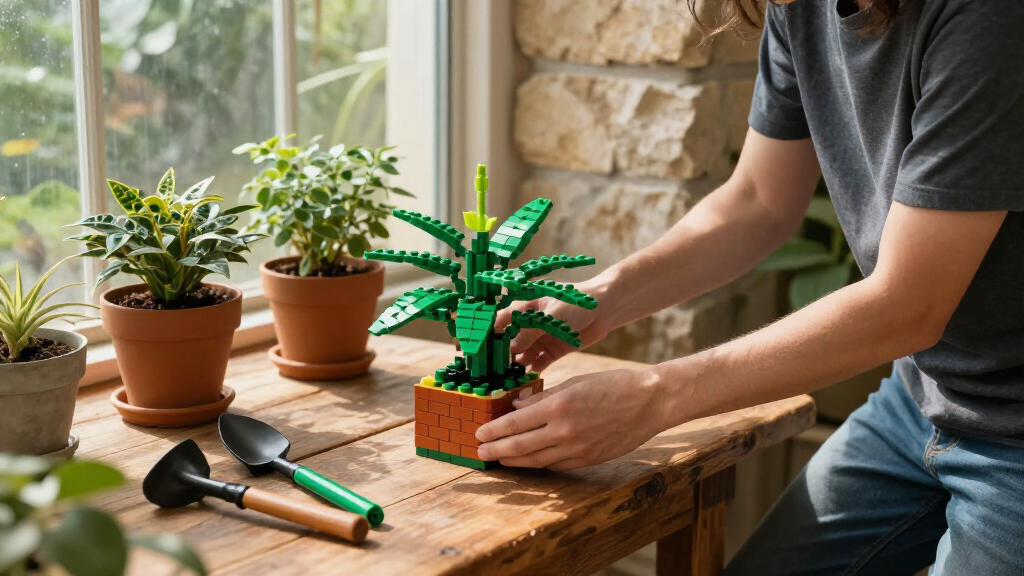
LEGO has unveiled a new line of brick-built houseplants, aimed at home decor enthusiasts and collectors. The collection, announced in early 2024, features miniature, highly detailed models of popular indoor plants, designed to mimic real greenery. This move comes amid rising consumer interest in plant-inspired decor and sustainable living, though the products are purely artificial and non-living.
The new LEGO houseplants include models resembling ferns, succulents, pothos, and other common indoor varieties. Each set emphasizes realistic textures and vibrant colors, with some designs incorporating specialized elements to mimic leaf veins and soil textures. LEGO has not disclosed the full product range or pricing details but indicated that the collection is available for pre-order through select retailers and online platforms. Experts suggest that these models are targeted at consumers who want the aesthetic appeal of plants without the maintenance or allergies associated with real greenery.
Market trends show a surge in interest around home decor and indoor gardening, especially among urban dwellers and those seeking low-maintenance aesthetic solutions. LEGO’s entry into this niche aligns with broader consumer preferences for customizable, decorative objects that also serve as conversation starters. The company has not yet confirmed whether the collection will expand to include larger or more complex plant models, nor whether it will feature interactive or light-up elements.
Impact of Brick-Built Plants on Home Decor Trends
The introduction of LEGO’s brick-built houseplants highlights a shift in how consumers approach home decoration, blending playful creativity with aesthetic appeal. These models could appeal to a broad demographic, from children to adult collectors, providing a maintenance-free alternative to real plants. Their rise signals a potential trend where artificial, customizable decor items gain popularity over live greenery, especially in urban environments where space and maintenance are constraints.
Moreover, this development may influence other brands to explore similar products, blurring the lines between toys, collectibles, and home accessories. The collection could also impact the market for real houseplants, particularly if consumers find these models satisfying their decorative needs without the challenges of plant care. However, critics may argue that these models lack the ecological benefits and natural beauty of real plants, raising questions about their long-term appeal and environmental impact.
As an affiliate, we earn on qualifying purchases.
Growing Consumer Interest in Plant-Inspired Decor
Interest in indoor plants and plant-themed decor has been rising steadily over the past few years, driven by trends in sustainable living and biophilic design. Search interest in terms like ‘indoor plants’ and ‘houseplant decor’ spiked notably in late 2023, reflecting a desire for natural aesthetics in urban homes and apartments. This trend is also linked to increased awareness of mental health benefits associated with greenery and nature-inspired environments.
Despite the popularity, many consumers cite challenges such as maintenance, allergies, and space constraints as barriers to owning real plants. This has created a market niche for artificial plants and decor items that mimic natural elements without the drawbacks. LEGO’s new collection appears to tap into this trend, offering a playful, customizable alternative that can be integrated into various interior styles. The product launch is part of a broader pattern of brands exploring hybrid or non-living versions of natural products, though the trend’s longevity remains uncertain.
Unclear Long-Term Market Reception and Environmental Impact
It is not yet clear how consumers will respond to the new LEGO houseplants over time, or whether they will replace or complement real plants in home decor. Additionally, the environmental implications of producing and disposing of these plastic models remain unaddressed, and their ecological footprint compared to real plants is unknown.Future Product Expansion and Consumer Feedback
LEGO plans to monitor consumer feedback and sales performance closely, with potential expansion into larger or more complex plant models. Industry observers will watch for reviews and user engagement to gauge the long-term appeal of these products. Additionally, environmental impact assessments and sustainability considerations may influence future iterations or marketing strategies. The company may also explore integrating interactive features or eco-friendly materials to enhance appeal and sustainability.
Key Questions
Are LEGO houseplants suitable for all ages?
Yes, the models are designed for a broad age range, though small parts may pose a choking hazard for very young children. Adult collectors and hobbyists are also a key target demographic.
Can LEGO houseplants be used outdoors?
Currently, the models are intended for indoor use. Exposure to weather elements could damage the plastic components.
Do LEGO houseplants require maintenance?
No, unlike real plants, these models do not need watering, sunlight, or pruning, making them a low-maintenance decor option.
Will LEGO release more plant varieties?
There has been no official confirmation, but the company has indicated interest in expanding the collection depending on consumer response.
How do LEGO houseplants compare in price to real plants?
The pricing has not been officially announced, but initial estimates suggest they will be priced similarly to other LEGO sets, potentially making them more expensive than some real small houseplants.
Source: rss
Halloween Picks
halloween
As an affiliate, we earn on qualifying purchases.