TL;DR

Get garden gear delivered free — and shop member deals
- Fast, free delivery on millions of items
- Access to Prime Big Deal Days deals on October 6–7
- Prime Video, Amazon Music and more included
Many gardeners notice pepper plants dropping leaves in August. Experts confirm this is often due to environmental stress, pests, or watering issues. The article explains causes, significance, and next steps for affected gardeners.
Many pepper plants are experiencing leaf drop in August, a common concern among gardeners. Experts confirm that environmental stress, pests, and watering problems are primary causes, affecting crop health and yield.
According to horticultural specialists, late-summer leaf drop in peppers is typically caused by a combination of environmental factors such as high temperatures, drought stress, and inconsistent watering. Pests like aphids and spider mites can also contribute, as confirmed by pest management sources. Additionally, diseases such as bacterial spot or viral infections may lead to leaf loss, though these are less common at this stage of the season.
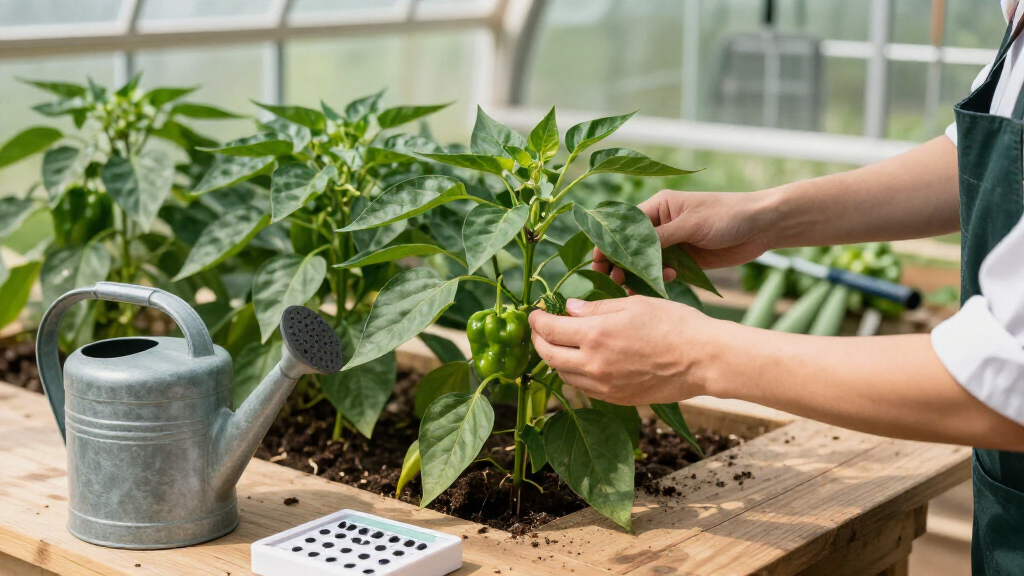
Gardeners report that plants under heat stress often shed leaves as a survival mechanism, attempting to conserve water. Inconsistent watering—either too much or too little—can exacerbate this problem, leading to dehydration and leaf drop. Proper watering practices and mulching can help mitigate these effects, experts advise.
Impacts of Late-Summer Leaf Drop on Pepper Harvests
This leaf drop can significantly reduce the photosynthetic capacity of pepper plants, potentially lowering fruit production and overall plant vigor. For home gardeners and commercial growers alike, understanding and managing this issue is crucial to maintaining healthy plants and maximizing yields. If unaddressed, prolonged stress may lead to increased susceptibility to pests and diseases, further compromising crop health.
As an affiliate, we earn on qualifying purchases.
Environmental and Pest Factors Contributing to Leaf Loss
Late summer often brings high temperatures and dry conditions, which stress plants and trigger leaf shedding. Experts note that this phenomenon is a natural response to environmental stressors, but it can be worsened by improper watering. Pests such as aphids and spider mites are common in August and can weaken plants further, as confirmed by pest control reports. While some diseases can cause leaf loss, these are less prevalent at this time of year, according to plant pathologists.
“Leaf drop in peppers during August is primarily a stress response to high temperatures and inconsistent watering. Proper hydration and mulching can help reduce this problem.”
— Dr. Susan Miller, horticultural expert
Unconfirmed Causes and Variability in Leaf Drop Incidents
While environmental stress and pests are confirmed causes, the exact contribution of specific diseases or unusual weather patterns remains unclear. Some plants may shed leaves due to unknown or combined factors, and individual plant health varies widely. Ongoing research is needed to better understand these interactions.
Recommended Practices and Monitoring for Pepper Growers
Gardeners should focus on consistent watering, mulching, and pest monitoring to reduce leaf drop. Experts suggest applying organic pest control if infestations are detected and adjusting watering schedules based on weather conditions. Continued observation over the coming weeks will help determine if interventions are effective, and further research may clarify additional causes.
Key Questions
Is leaf drop in peppers normal in August?
Yes, some leaf shedding is a natural response to heat and dry conditions, but excessive loss indicates stress that should be addressed.
How can I prevent my peppers from losing leaves?
Maintain consistent watering, mulch to retain soil moisture, and monitor for pests. Providing shade during peak heat hours can also help.
Could diseases be causing the leaf drop?
While less common, certain bacterial or viral infections can cause leaf loss. If disease symptoms accompany leaf drop, consult a plant pathologist for diagnosis.
When should I be concerned about my pepper plants?
If leaf loss is severe, persistent, or accompanied by other symptoms like wilting or spots, it is advisable to investigate further and adjust care practices.
Will my pepper plants recover after leaf drop?
Many plants can recover if environmental stressors are mitigated and pests are controlled. Continued care can promote new growth and fruiting.
Source: rss
Fall yard work Picks
leaf blowers
As an affiliate, we earn on qualifying purchases.