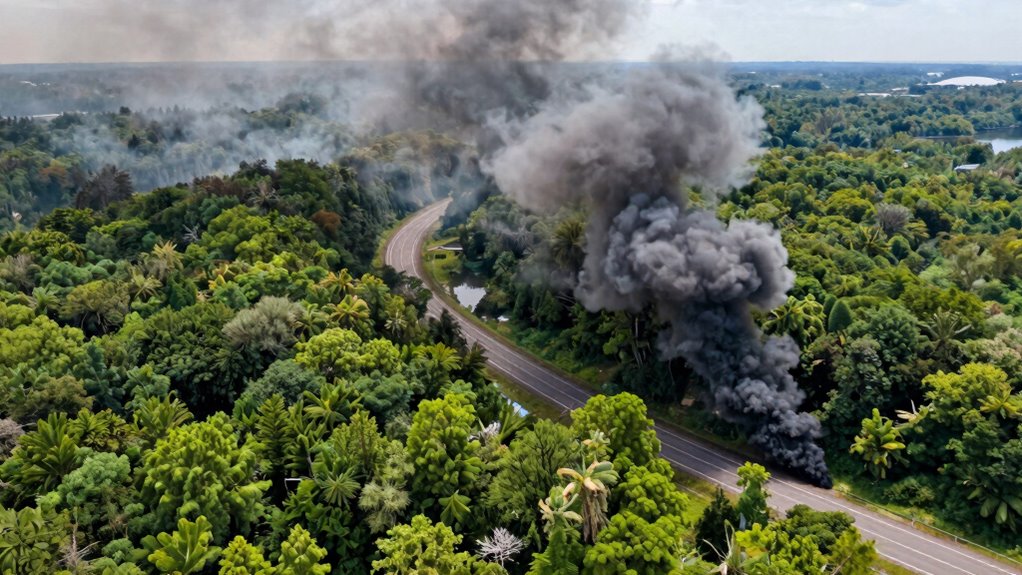

Environmental myths spread faster than facts because they tap into your emotions and trigger fears or biases, making stories memorable and easy to share. Social media algorithms prioritize engaging content, often without fact-checking, which helps falsehoods go viral quickly. Oversimplified explanations of complex issues also make myths more appealing. If you keep exploring, you’ll discover how social, political, and technological factors fuel this rapid spread, and how you can better recognize credible information.

Get garden gear delivered free — and shop member deals
- Fast, free delivery on millions of items
- Access to Prime Big Deal Days deals on October 6–7
- Prime Video, Amazon Music and more included
Key Takeaways
- Emotional appeals and fear-based stories make environmental myths more memorable and shareable than factual information.
- Social media algorithms prioritize engaging, sensational content, amplifying myths over accurate data.
- Oversimplification of complex environmental issues allows myths to fill knowledge gaps easily.
- Disinformation campaigns driven by political or economic interests strategically promote false narratives.
- Lack of media literacy and verification tools enables myths to spread rapidly before fact-checking occurs.
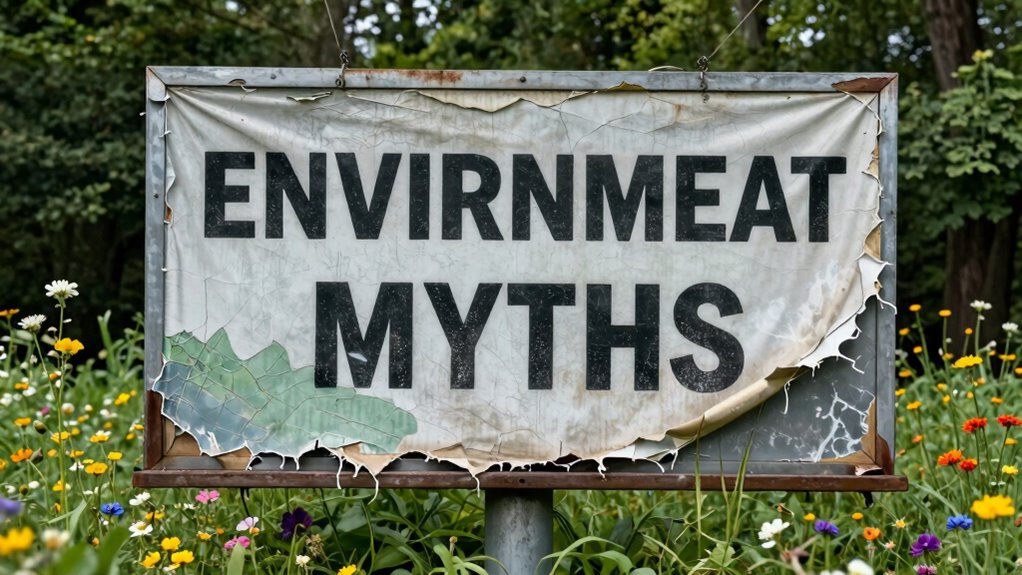
Have you ever wondered why false environmental claims seem to spread faster than proven facts? It’s frustrating, isn’t it? You hear one misleading statement about renewable energy or wildlife conservation, and suddenly it becomes part of the mainstream conversation, even if it’s completely inaccurate. The speed at which these myths spread can be attributed to several factors. For starters, misinformation often appeals to emotions more than facts. When someone claims that renewable energy kills wildlife or that protecting certain species harms local economies, it taps directly into fears and biases. These emotional hooks make the stories more memorable and shareable, fueling their rapid dissemination.
Social media plays a pivotal role here. Unlike traditional media, where facts are scrutinized before publication, social platforms allow anyone to spread their narrative instantly. When a post claims that renewable energy projects are detrimental to wildlife conservation, it can go viral overnight. People tend to share stories that reinforce their existing beliefs, creating echo chambers where falsehoods flourish. Without proper fact-checking, these myths gain credibility simply because they are repeated often enough. This phenomenon is further exacerbated by the confirmation bias, where individuals seek out information that aligns with their preexisting views. Additionally, the rapid spread of misinformation is often facilitated by algorithms that prioritize engaging content over accuracy, further amplifying false narratives.
The complexity of environmental issues also contributes to this phenomenon. Topics like renewable energy and wildlife conservation are inherently nuanced. When experts try to explain the intricacies, they often use technical language that’s hard to understand. This leaves room for oversimplified myths to fill the gaps. For example, the misconception that wind turbines considerably harm bird populations ignores the larger context of overall ecological benefits and the measures taken to minimize such impacts. The truth gets lost in translation, making it easier for myths to take hold. Furthermore, the spread of misinformation is often amplified by the use of emotionally charged language that resonates more with audiences than dry facts. Recognizing the role of misinformation in shaping public perception can help individuals better evaluate the validity of what they hear. It’s also important to understand how media literacy influences our ability to discern credible information from falsehoods.
Moreover, misinformation about environmental issues often aligns with political or economic interests. Some groups might spread false claims that undermine renewable energy initiatives or wildlife protection laws, aiming to sway public opinion or protect profits. When these narratives resonate with certain audiences, they spread more broadly and persist longer than factual counterarguments. It’s a strategic effort to distort perceptions and delay action on critical issues. Recognizing these motivations is key to understanding how myths manage to gain such traction. Being aware of the economic or political interests behind some of these myths can help individuals critically evaluate the information they encounter.
Ultimately, you need to be vigilant. Recognize that myths are designed to be persuasive, but they’re not always based on reality. Take the time to verify claims about renewable energy and wildlife conservation through reputable sources. By doing so, you can help counteract the rapid spread of misinformation and support a more accurate understanding of environmental challenges. Remember, facts may not always be as sensational as myths, but they’re essential for meaningful change. Being informed and skeptical of emotional appeals is crucial to fostering a more sustainable and truthful environmental discourse.
fact-checking tools for environmental myths
As an affiliate, we earn on qualifying purchases.
As an affiliate, we earn on qualifying purchases.
Frequently Asked Questions
How Do Social Media Algorithms Influence Myth Propagation?
Social media algorithms influence myth propagation by prioritizing viral content, which often includes environmental myths that attract attention. You might notice that algorithm bias favors sensational stories over factual information, making myths spread faster. When your platform promotes such content, you’re more likely to see and share myths, unintentionally amplifying misinformation. To counter this, you should critically evaluate what you see and seek out credible sources for environmental facts.
What Role Do Celebrities Play in Spreading Environmental Myths?
You might think celebrities only promote fashion, but their influence extends to environmental myths too. Their trust in fame makes their opinions seem credible, even if they lack expertise. When a celebrity endorses a myth, millions accept it without question, spreading misinformation rapidly. Celebrity influence can sway public perception, making it essential to critically evaluate their claims and rely on trusted scientific sources rather than fame alone.
Can Misinformation About the Environment Impact Policy Decisions?
Misinformation about the environment can profoundly impact policy decisions. When false claims spread, they influence public opinion, which policymakers often consider. This misinformation effects can lead to policies that favor short-term interests over long-term sustainability or ignore scientific consensus. You should stay informed with credible sources to counteract these effects, ensuring that policies are based on facts, not myths, to protect the environment effectively.
How Do Educational Gaps Contribute to Myth Acceptance?
Educational disparities create knowledge gaps that leave you vulnerable to accepting environmental myths. When you lack access to accurate information, misinformation can fill those gaps, making myths seem convincing. These knowledge gaps fuel misconceptions, allowing false ideas to spread rapidly. Without proper education, you might unknowingly support harmful beliefs about the environment, emphasizing how essential equal access to quality education is in combatting the spread of environmental myths.
What Psychological Factors Make Myths More Believable?
You find myths more believable because of cognitive biases like confirmation bias, which makes you favor information that supports your existing beliefs. Emotional reasoning also plays a role, as you tend to accept claims that evoke strong feelings, making myths seem more convincing. These psychological factors cloud your judgment, making it harder to distinguish facts from misinformation, especially when emotionally charged narratives reinforce stereotypes or fears.
Conclusion
So, next time you hear that recycling isn’t worth it or that climate change isn’t real, remember how quickly myths can spread. Ironically, the very stories meant to protect our environment often do more harm than good, all because they’re easier to believe than complex facts. As you share these truths, realize you’re fighting against a tide of falsehoods that seem to travel faster than the truth itself. Sometimes, knowing the facts isn’t enough—you’ve got to be willing to question what you hear.
Fall yard work Picks
leaf blowers
As an affiliate, we earn on qualifying purchases.