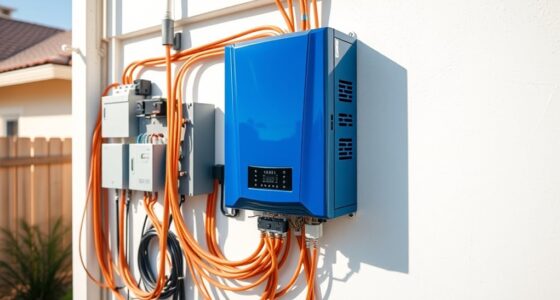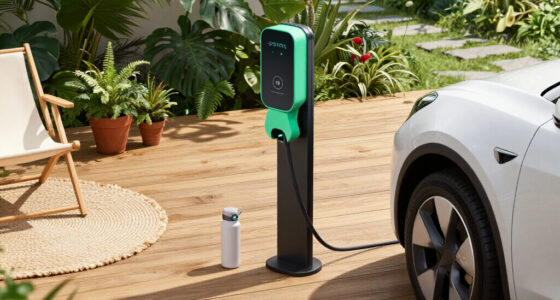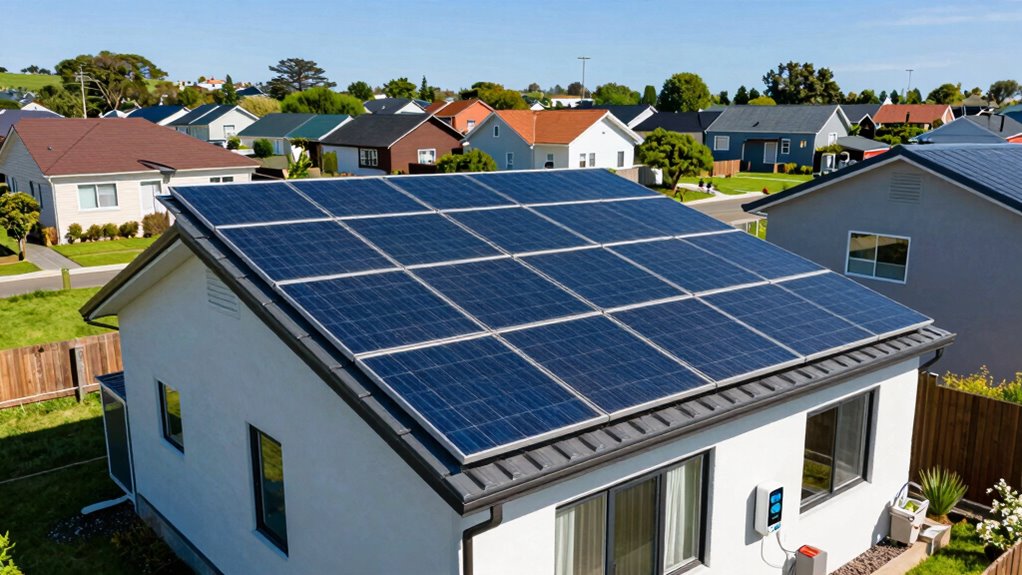

Grid-interactive homes matter for the future because they enable you to actively participate in a cleaner, more reliable energy system. By communicating with the grid, your home can optimize renewable energy use, store excess power, and help prevent outages. This not only reduces your carbon footprint but also makes the entire energy network more resilient. Stay with us to find out how this technology can transform your home and shape a sustainable tomorrow.

Get garden gear delivered free with Prime
- Fast, free delivery on millions of items
- Prime Video, Amazon Music and more included
- Member-only deals all year
Key Takeaways
- They enable real-time communication with the grid, improving energy efficiency and stability.
- They maximize renewable energy use, reducing reliance on fossil fuels and lowering carbon emissions.
- They enhance energy resilience by providing backup power during outages.
- They support automated, optimized energy consumption, reducing waste and costs.
- They promote a decentralized, sustainable energy system for a cleaner, more reliable future.
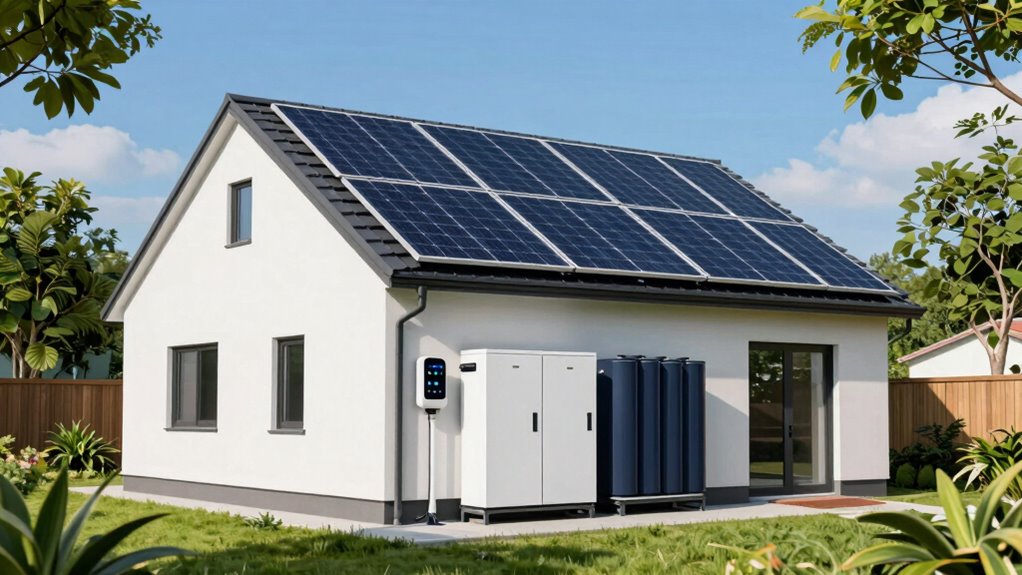
Have you ever wondered how your home can actively participate in managing the power grid? With the rise of grid-interactive homes, you have the opportunity to do just that. These innovative homes are designed to communicate with the grid, adjusting energy consumption and storage based on real-time needs. One of the key advantages is renewable integration, where your home can optimize the use of solar panels or wind turbines. By intelligently managing when to draw power from renewable sources versus the grid, your home helps increase the use of clean energy, reducing reliance on fossil fuels. This not only cuts down your carbon footprint but also supports a more sustainable energy system overall.
Furthermore, grid-interactive homes bolster energy resilience. During power outages or grid instability, your home can act as a mini power station, drawing stored energy from batteries or other backup systems. This means you’re less vulnerable to blackouts and can maintain essential functions even when the main grid faces disruptions. With energy resilience, your home becomes more than just a passive consumer; it transforms into an active participant that can respond to grid signals and local energy demands. This responsiveness helps stabilize the entire grid, especially during peak usage times or emergencies, contributing to a more reliable power system for everyone.
By integrating smart technology, your home can automatically adjust heating, cooling, and appliance use based on grid conditions. For instance, during periods of high demand, your system might temporarily reduce energy consumption, easing the strain on the grid. Conversely, when renewable energy generation is at its peak, your home can increase usage or store excess energy, maximizing green energy consumption. This dynamic interaction benefits both you and the grid, making energy management more efficient and less wasteful.
In the long run, grid-interactive homes pave the way for a decentralized and flexible energy landscape. They empower you to take control of your energy use while supporting broader efforts toward renewable integration and energy resilience. As technology advances and the grid becomes smarter, your home’s ability to communicate and cooperate with the power system will become even more vital. Developing smart grid technology is essential for realizing the full potential of these interconnected systems. By embracing this future, you’re not just upgrading your living space — you’re actively participating in a clean energy future that prioritizes sustainability and resilience. Additionally, the integration of advanced automated control systems enhances the overall efficiency of energy use within your home, making these systems more responsive and adaptive to changing grid conditions.
grid-interactive home energy system
As an affiliate, we earn on qualifying purchases.
As an affiliate, we earn on qualifying purchases.
Frequently Asked Questions
How Much Do Grid-Interactive Home Systems Typically Cost to Install?
Grid-interactive home systems typically cost between $10,000 and $25,000 to install, depending on various pricing factors. These include the home’s size, the complexity of integrating solar panels, energy storage, and smart technology, as well as local labor costs. Your specific cost estimates may vary, but investing in these systems can lead to long-term savings and increased energy independence. It’s best to get detailed quotes from professionals to understand your options.
Are Grid-Interactive Homes Compatible With All Types of Renewable Energy Sources?
You might worry about compatibility, but grid-interactive homes are designed for energy source diversity, making them compatible with most renewable energy sources like solar, wind, and small hydro. This flexibility means you can mix and match your preferred renewable options without hassle. Even if one source fluctuates, your home smoothly adapts, ensuring continuous energy supply and maximizing your sustainability efforts.
What Maintenance Is Required for a Grid-Interactive Home System?
You’ll need to regularly check your smart home’s energy management system and guarantee all components, like batteries and inverters, are functioning properly. Keep software up-to-date for peak performance. Schedule periodic inspections to identify potential issues early. Cleaning filters and vents helps maintain efficiency. By staying proactive with maintenance, your grid-interactive home will operate smoothly, maximizing renewable energy use and supporting a reliable, sustainable energy system.
How Quickly Can a Home Become Grid-Interactive After Installation?
After installation, your home can become grid-interactive in a matter of days, especially if the system includes smart grid technology and energy storage. The process involves configuring your smart grid components, integrating energy storage solutions, and ensuring proper communication between devices. Once set up, your home will actively participate in energy management, providing benefits like cost savings and increased reliability, making the shift quick and efficient.
What Incentives or Rebates Are Available for Upgrading to a Grid-Interactive Home?
Think of upgrading to a grid-interactive home as opening a treasure chest. You can access savings through various government incentives and rebate programs designed to make energy upgrades affordable. These incentives often include tax credits, rebates for solar or battery systems, and discounted installation costs. By taking advantage of these programs, you not only reduce your upfront costs but also contribute to a more sustainable, resilient energy future.
Conclusion
By embracing grid-interactive homes, you become a essential part of the energy symphony, where your house hums in harmony with the grid’s pulse. Think of your home as a lighthouse guiding us toward a sustainable future, shining brightly amid the storm of climate change. Together, with smart energy choices, you hold the power to turn your house into a beacon of innovation, lighting the way for a greener, more resilient world ahead.
Fall yard work Picks
leaf blowers
As an affiliate, we earn on qualifying purchases.