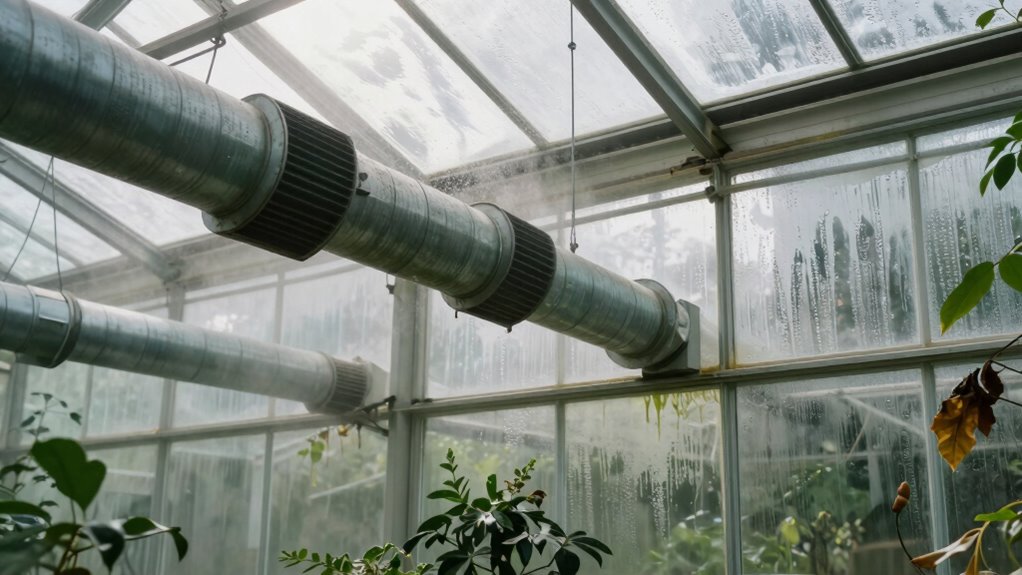

Ventilation mistakes in your greenhouse create half of the trouble because poor airflow disrupts climate control and promotes pests and diseases. When you don’t guarantee even temperature and humidity, plants experience stress, and pests find ideal conditions to thrive. Insufficient ventilation leads to stagnant air, making it harder to control pests and pathogen growth. Fixing these issues can improve your crop health and yield, and there’s more to uncover to keep your greenhouse thriving.

Get garden gear delivered free with Prime
- Fast, free delivery on millions of items
- Prime Video, Amazon Music and more included
- Member-only deals all year
Key Takeaways
- Poor ventilation causes uneven temperature and humidity, stressing plants and increasing disease risk.
- Inadequate airflow creates microclimates that foster pests and fungal infections.
- Lack of proper circulation leads to stagnant air, reducing pest control effectiveness.
- Neglecting ventilation design results in microclimates that compromise climate control and pest management.
- Insufficient airflow hampers disease and pest prevention, leading to increased crop losses and operational costs.
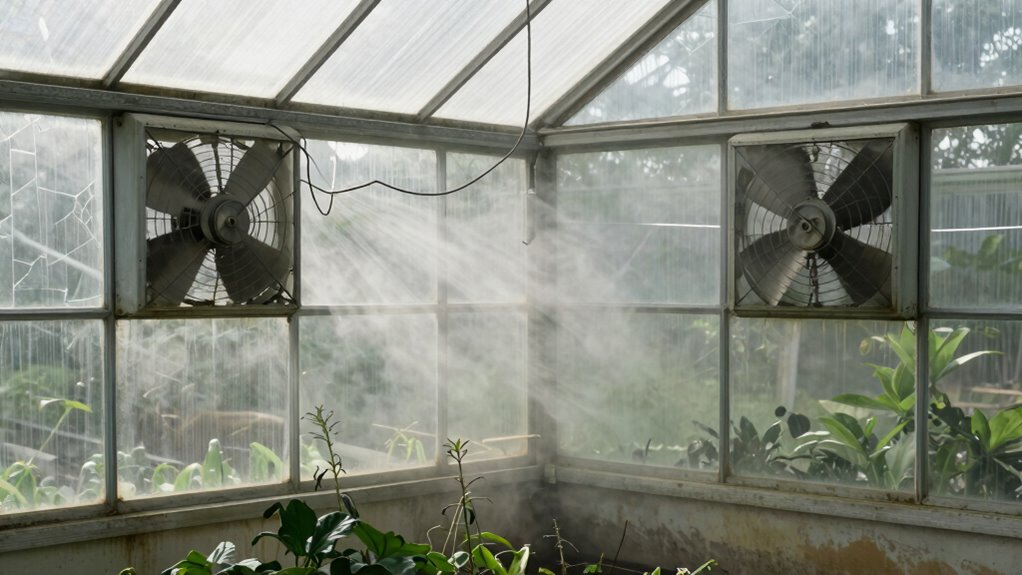
Are you aware of the common ventilation mistakes that can hinder your greenhouse’s success? One of the biggest issues you might face is poor climate control, which directly impacts plant health and productivity. When ventilation isn’t properly managed, temperature and humidity levels can fluctuate wildly, creating an environment that stresses your plants. Too much heat during the day can cause heat stress, while insufficient cooling can slow growth or lead to disease. Conversely, inadequate ventilation during colder months can cause humidity to rise, leading to condensation and an increased risk of fungal infections. By overlooking proper ventilation, you undermine your ability to maintain stable climate conditions, which are essential for healthy plant development. Proper air circulation is also crucial for evenly distributing temperature and humidity throughout the greenhouse, preventing problematic hot or cold spots.
Poor ventilation disrupts climate control, stressing plants and risking diseases in your greenhouse.
Another mistake you might be making is neglecting pest management through your ventilation setup. Proper airflow helps reduce the buildup of humidity and stagnant air, which are prime breeding grounds for pests like mold, mildew, and insects. When ventilation is poorly designed or insufficient, pests can thrive unnoticed, making infestations harder to control and more damaging. For example, stagnant air creates a cozy environment for spider mites and whiteflies, while excess humidity fosters fungal pathogens that weaken your crops. Without good airflow, pests can spread rapidly, and your efforts to control them become much more complicated. Ensuring your ventilation system promotes continuous air exchange can make a significant difference in keeping pests at bay and protecting your investments.
Many greenhouse operators also overlook how ventilation impacts pest management strategies. If the airflow isn’t well-structured, it can create pockets of still air where pests and diseases can settle and multiply. This not only hampers your pest control efforts but can also lead to recurring problems that are difficult to eliminate. Proper ventilation design considers both climate control and pest management as intertwined goals—by optimizing airflow, you create an environment less hospitable to pests and easier to keep clean and healthy. When you fail to address these issues, you risk escalating pest populations and disease outbreaks, which can severely reduce yields and increase costs.
In essence, your ventilation system is a vital factor that influences both climate control and pest management in your greenhouse. Mistakes like poor design, inadequate airflow, or neglecting regular maintenance can cause a cascade of problems, from unhealthy plant growth to pest infestations. Paying close attention to how you manage airflow ensures you create a balanced environment that promotes plant health, makes pest control more effective, and ultimately leads to a more successful greenhouse operation. Recognizing and correcting these ventilation mistakes early can save you time, money, and frustration while boosting your crop yields.
As an affiliate, we earn on qualifying purchases.
Frequently Asked Questions
How Do Ventilation Issues Affect Plant Disease Outbreaks?
Poor ventilation causes humidity control problems, creating a damp environment that promotes plant disease outbreaks. When airflow is insufficient, moisture lingers on leaves and soil, increasing the risk of pathogen spread. You might notice more fungal and bacterial infections because the stagnant air allows diseases to thrive. To prevent this, make certain proper ventilation to keep humidity levels in check, reducing the chances of disease development and protecting your plants’ health.
What Are Signs of Poor Greenhouse Airflow?
Like a silent alarm, poor airflow signs alert you to ventilation issues. You’ll notice uneven temperature distribution, stagnant air, and high humidity levels, which hinder airflow patterns. Plants may look stressed, with yellowing leaves or mold growth. If ventilation efficiency drops, these signs become more pronounced, causing trouble. Regularly monitoring your greenhouse helps you catch these issues early, ensuring healthy plants and ideal growth conditions.
Can Ventilation Mistakes Increase Energy Costs?
Yes, ventilation mistakes can greatly increase your energy costs. Poor air circulation and inadequate temperature control force your HVAC systems to work harder, consuming more energy. When you don’t optimize ventilation, you may overuse fans, heaters, or cooling systems, which drives up expenses. Proper ventilation guarantees efficient airflow, maintaining stable temperatures without excessive energy use, ultimately saving you money and creating a healthier environment for your plants.
How Often Should Greenhouse Ventilation Systems Be Maintained?
You should maintain your ventilation system regularly, ideally following a strict maintenance schedule. Check filters, fans, and vents weekly during peak seasons, and perform thorough inspections monthly. Proper maintenance guarantees your ventilation system operates efficiently, reduces energy costs, and prevents issues that could lead to greenhouse trouble. Sticking to maintenance schedules helps catch problems early, keeping your greenhouse environment ideal for healthy plant growth.
Are There Climate-Specific Ventilation Strategies for Greenhouses?
Yes, climate-specific ventilation strategies are essential for greenhouses. You should tailor your ventilation design based on your climate zone to guarantee ideal airflow and temperature control. In hot, humid areas, prioritize exhaust fans and shade to prevent overheating. In cooler, drier zones, focus on maintaining humidity and preventing drafts. Adapting your ventilation system to your climate zone helps you create the best environment for healthy plant growth.
Conclusion
In the world of greenhouses, ventilation mistakes are like stubborn weeds, choking off your plants’ potential. When you overlook proper airflow, it’s like trying to grow a garden in a stuffy room—you’ll never get the lush, healthy plants you dream of. By avoiding these pitfalls, you open the door for your plants to breathe easy and thrive. Remember, good ventilation isn’t just a detail; it’s the heartbeat of a successful greenhouse.
Halloween Picks
halloween
As an affiliate, we earn on qualifying purchases.