
Cold-climate heat pumps are effective when you understand their capabilities and install them properly. Misconceptions can lead to disappointment if you expect impossible performance or don’t maintain the system. They’re reliable energy-efficient options when correctly set up, but their performance depends on proper sizing, installation, and upkeep. Instead of losing confidence, trust in their potential with realistic expectations. Keep exploring to discover how to maximize their benefits and avoid common pitfalls.
Prime for Young Adults — start your free trial
Fast free delivery, streaming and member deals for eligible 18–24 year olds.
As an affiliate, we earn on qualifying purchases.
Key Takeaways
- Properly set expectations ensure users understand performance limits and maximize the system’s benefits.
- Confidence in cold-climate heat pumps encourages correct installation and maintenance practices.
- Overestimating capabilities can lead to dissatisfaction; realistic views promote sustained trust.
- Recognizing the importance of expert installation improves efficiency and long-term reliability.
- Understanding their strengths at low temperatures fosters confidence in sustainable, energy-efficient heating solutions.
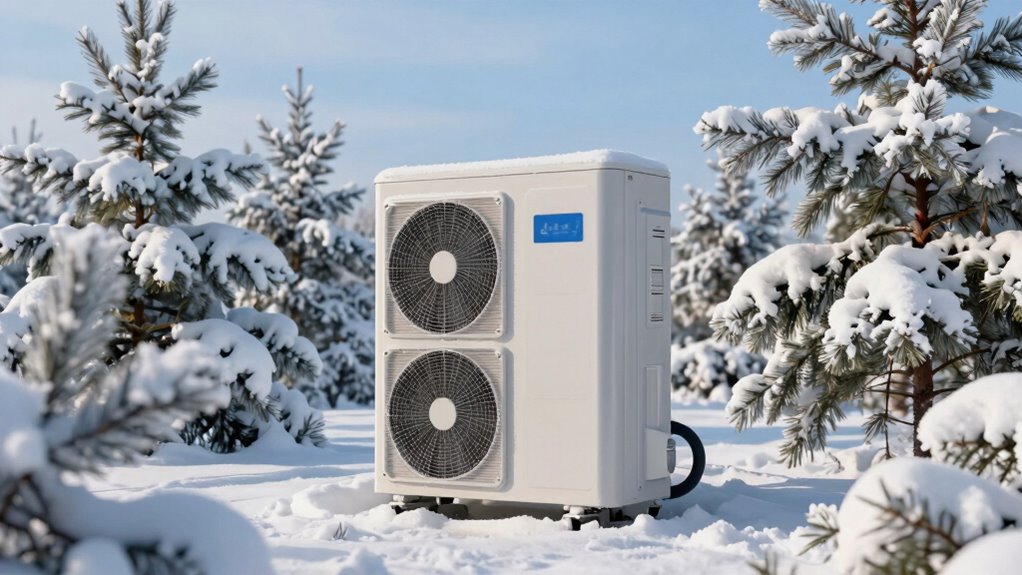
Have you ever wondered how to efficiently heat your home in freezing temperatures? Cold-climate heat pumps are increasingly popular, but understanding their capabilities requires realistic expectations. These systems are designed to operate effectively even when outdoor temperatures plummet, yet many people still doubt their performance. The key is recognizing that while they’re impressive, they’re not miracle solutions. Instead, they deliver a reliable, energy-efficient alternative to traditional heating systems when properly installed and used appropriately.
Energy efficiency is at the heart of cold-climate heat pumps. Unlike conventional furnaces that burn fuel, heat pumps transfer heat from the outside air into your home. Even in cold weather, they can extract enough heat to warm your living spaces efficiently. This process consumes less energy, reducing your utility bills and lowering environmental impact. However, to maximize these benefits, you need to understand that their efficiency depends greatly on proper sizing, maintenance, and installation. When designed and installed correctly, they perform remarkably well, but if they’re undersized or improperly set up, their efficiency drops *considerably*. This can lead to frustration and the misconception that they’re inadequate, which isn’t true—they simply need the right conditions and attention.
Installation challenges are another factor that influences your experience with cold-climate heat pumps. These systems require careful planning and expert installation to ensure *ideal* operation. Some homeowners overlook the importance of proper siting, insulation, or the right auxiliary heating options, which can compromise performance. For instance, inadequate insulation or poor airflow can cause the system to work harder, diminishing energy savings and comfort. Additionally, certain models may require modifications to your existing ductwork or electrical systems, which can seem *intimidating* or costly. But these challenges shouldn’t discourage you. Instead, they highlight the need to work with knowledgeable contractors who understand cold-weather conditions and can tailor the installation to your specific climate. Recognizing the importance of proper system sizing can significantly influence the overall effectiveness of your heat pump. Proper system sizing and ongoing system maintenance are crucial to achieve optimal performance and longevity. Moreover, understanding climate-specific design considerations can enhance their performance in your particular environment. Furthermore, staying informed about technological advancements can help you select the most suitable models for your needs.
It’s important to approach cold-climate heat pumps with confidence, but also with realistic expectations. They are not a one-size-fits-all solution, nor will they perform flawlessly in every situation without proper setup. Still, with the right installation, maintenance, and understanding of their capabilities, these systems can provide reliable, energy-efficient heating throughout even the coldest winters. Don’t let misconceptions or initial installation hurdles deter you from considering a heat pump. Instead, view them as a smart investment that, when properly managed, offers a sustainable and efficient way to keep your home warm in the *harshest* weather conditions.
cold climate heat pump installation kit
As an affiliate, we earn on qualifying purchases.
As an affiliate, we earn on qualifying purchases.
Frequently Asked Questions
How Do Cold-Climate Heat Pumps Compare to Traditional Heating Systems?
Cold-climate heat pumps often outperform traditional heating systems in efficiency, especially due to recent technological advancements. You’ll notice they provide reliable warmth even in very low temperatures, thanks to efficiency improvements like enhanced compressors and refrigerants. While traditional systems rely on fuel combustion or resistance heating, these heat pumps leverage advanced technology to deliver consistent heat with less energy, making them a smarter, more efficient choice for cold climates.
What Maintenance Is Required for Cold-Climate Heat Pumps?
You’ll need to perform regular maintenance to guarantee your cold-climate heat pump stays durable and efficient. This includes cleaning or replacing filters, inspecting the outdoor unit for debris, and checking refrigerant levels. Seasonal adjustments might be necessary for peak performance during extreme cold. Routine maintenance helps extend system durability, keeps it running smoothly, and assures you get reliable heating all winter long.
Are Cold-Climate Heat Pumps Cost-Effective in the Long Run?
Cold-climate heat pumps are often the hidden gem of home heating, providing long-term savings despite efficiency myths. While installation challenges exist, they’re worth overcoming because these systems can cut energy costs and reduce environmental impact. Over time, their efficiency and durability make them a cost-effective choice, especially when you consider lower utility bills and potential rebates. With proper maintenance, you’ll find they truly pay for themselves in the long run.
Can Cold-Climate Heat Pumps Be Used for Cooling in Summer?
Yes, cold-climate heat pumps can be used for summer cooling and temperature control. They’re designed to provide efficient heat removal, making them a versatile option for year-round comfort. During summer, they operate in cooling mode, reducing indoor temperatures effectively. You’ll appreciate their ability to deliver consistent, energy-efficient cooling while also offering reliable heating when temperatures drop, making them a smart choice for climate control all year long.
What Are the Environmental Benefits of Cold-Climate Heat Pumps?
Cold-climate heat pumps offer significant environmental benefits by reducing your reliance on fossil fuels, which lowers carbon emissions. They operate efficiently using renewable energy sources, helping you cut your carbon footprint. By choosing a cold-climate heat pump, you’re supporting cleaner energy solutions and contributing to a healthier planet. These systems are a smart, eco-friendly option that aligns with sustainable living goals and reduces your overall environmental impact.
Conclusion
Think of cold-climate heat pumps as brave explorers venturing into a winter wilderness. With the right expectations, you’ll trust their journey, knowing they can brave the cold with confidence. Just as explorers need maps and tools, these heat pumps need proper understanding and support. When you embrace their potential, you’re equipped to face the chilly seasons, turning a formidable landscape into a manageable adventure—trust in their strength, and they’ll guide you through every winter’s challenge.
NFL season / tailgating Picks
team gear
As an affiliate, we earn on qualifying purchases.