
TL;DR

Get garden gear delivered free with Prime
- Fast, free delivery on millions of items
- Prime Video, Amazon Music and more included
- Member-only deals all year
An orchid keiki—a small plant growing on the parent—does not by itself mean the orchid is dying. Gardening Know How reports that stress can contribute, but healthy plants also produce keikis; a basal keiki beside a soft, dark crown is more concerning than one growing on a flower spike.
An orchid keiki—a small offshoot growing on its parent—is not, by itself, evidence that the plant is dying, according to a report from Gardening Know How. The growth can appear on healthy orchids, but a keiki at the base of a moth orchid may warrant closer inspection if the plant’s crown or roots also show signs of rot.
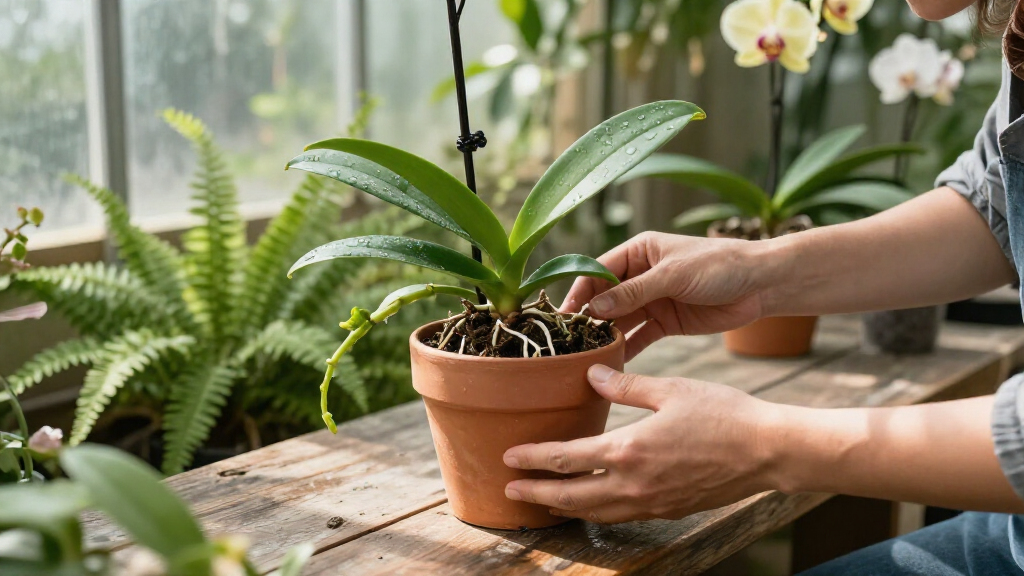
A keiki, pronounced “KAY-kee,” is Hawaiian for baby. On a moth orchid, or Phalaenopsis, it may grow from a dormant bud on an old flower spike, appearing as a cluster of leaves with small roots. It is a form of vegetative reproduction, not a disease or parasite, and it does not spread to other plants.
The report says the location of the keiki can help guide a plant check. A spike keiki may arise naturally from a node on the flower stem. A basal keiki grows near the bottom of the plant, beside its lower leaves. The report cautions that this second pattern can accompany crown damage in moth orchids, particularly if the parent’s central growing point is compromised.
Stress is one possible factor, not a definitive explanation. The report lists heat, heavy nitrogen feeding late in the season, low light or humidity, and a plant’s genetics among factors associated with keiki growth. It also says hormones can activate dormant buds: applying cytokinin to an orchid node may prompt a keiki even on an otherwise healthy plant. The presence of one, on its own, cannot establish that care has been poor or that the parent is declining.
The Parent Plant’s Condition Matters
For orchid owners, the practical point is to check the whole plant before treating a keiki as either a welcome bonus or a warning sign. Removing or repotting a healthy orchid solely because an offshoot appeared may be unnecessary. On the other hand, overlooking a failing crown or rotting roots can leave a serious problem unaddressed.
Gardening Know How recommends looking for patterns of decline, rather than reading too much into one leaf or one new growth. Several yellowing leaves, newer leaves that are limp or wrinkled, and roots that are brown and mushy are more concerning than an isolated older leaf turning yellow. A soft, black or wet-looking crown is a particular warning sign in a moth orchid.
These checks help distinguish a normal growth event from possible damage, but the report does not present the keiki as a diagnostic test. Its advice is to use the plant’s overall condition—especially the crown and root system—to decide whether care needs to change.
Popular right now

Dyson V8 Cyclone Cordless Vacuum

Dyson Car+Boat Cordless Handheld Vacuum

Shark HydroVac MessMaster Cordless Wet Dry Vacuum and Mop Combo, AW261
As an affiliate, we earn on qualifying purchases.
How Keikis Form on Orchids
On a moth orchid’s flower spike, small bumps beneath papery coverings are nodes that contain dormant buds. Occasionally, a bud develops into a miniature plant with leaves and roots. Some orchid varieties and hybrids are more likely to produce keikis than others, according to the report.
Their presence can also follow damage in some circumstances. The report says moth orchids grow from a single central point; if that crown is lost to rot or injury, the plant cannot make new leaves from the damaged growing tip. It may instead produce a basal offshoot. It also notes that damaged or disconnected Dendrobium canes may form keikis. These are possible responses to trouble, not proof that every offshoot has the same cause.
Environmental conditions can affect the plant, too. The report associates long periods of heat as a flower spike finishes, late-season heavy nitrogen feeding, and insufficient light or humidity with keiki development. Since similar growth can occur on healthy plants, these factors are context—not a reliable way to diagnose the parent without inspecting it.
A Keiki Cannot Diagnose Rot
The source material does not provide a study, data set or expert interview establishing how often keikis indicate stress, or how predictive a basal keiki is of crown damage. It describes associations and horticultural guidance, so the growth should not be treated as a confirmed diagnosis.
Some signs also need to be read in context. The report says one yellowing lower leaf can be part of normal aging, while cold nights below 60°F (16°C) may also yellow lower leaves. It identifies soft, black or wet-looking crown tissue and brown, mushy roots as more concerning, but does not establish the cause of a particular plant’s symptoms from appearance alone. No specific reader’s orchid has been assessed, and the source does not say whether the reported care recommendations have been independently tested.
Inspect Before Changing Care
The report’s recommended next step is a close inspection, not immediate removal of the keiki. Look at the leaves for firmness and widespread yellowing, then check the crown for soft or dark tissue. If possible, slide the plant from its pot and examine the roots: healthy roots are firm and plump, while rotted roots are brown and mushy. Fresh green root tips or new leaves emerging from the crown are signs that the plant is still growing, according to the report.
If the plant appears healthy, the report advises leaving both it and the keiki in place. If rot or another care issue is found, address that issue rather than responding to the offshoot alone. For rotted roots, it recommends trimming back to firm tissue with a small, sharp tool and wiping blades with rubbing alcohol between plants. If repotting is needed, use orchid potting mix and a clear, slotted pot; water sparingly until new roots reach the fresh bark, and empty water that collects in the crown.
The report also recommends morning watering so leaves can dry before night and bright, indirect light for moth orchids, away from cold glass and heating vents. It offers no fixed timeline for recovery or instruction to separate a keiki. Whether an offshoot should eventually be removed depends on its development and the parent’s condition; the immediate advice is to inspect and respond to what the plant shows.
Key Questions
What is an orchid keiki?
A keiki is a small orchid plant that grows from a bud on its parent, often on a flower spike or near the plant’s base. It is a form of vegetative reproduction, not a parasite or disease.
Does a keiki mean my orchid is dying?
No, not by itself. Healthy orchids can produce keikis. A basal keiki may be more concerning if the crown is soft, dark or wet-looking, or if roots are brown and mushy.
How can I check whether the parent orchid is unhealthy?
Check whether leaves are firm, inspect the crown for soft or dark tissue, and look for firm, plump roots. Several yellowing leaves or limp newer leaves can also indicate a problem, although one old yellow leaf can be normal.
Should I remove the keiki?
The report says to leave it in place if the parent looks healthy. If you find signs of rot or declining growth, address the plant’s condition first; the source does not give a universal rule for when to detach an offshoot.
Source: gardeningknowhow.com