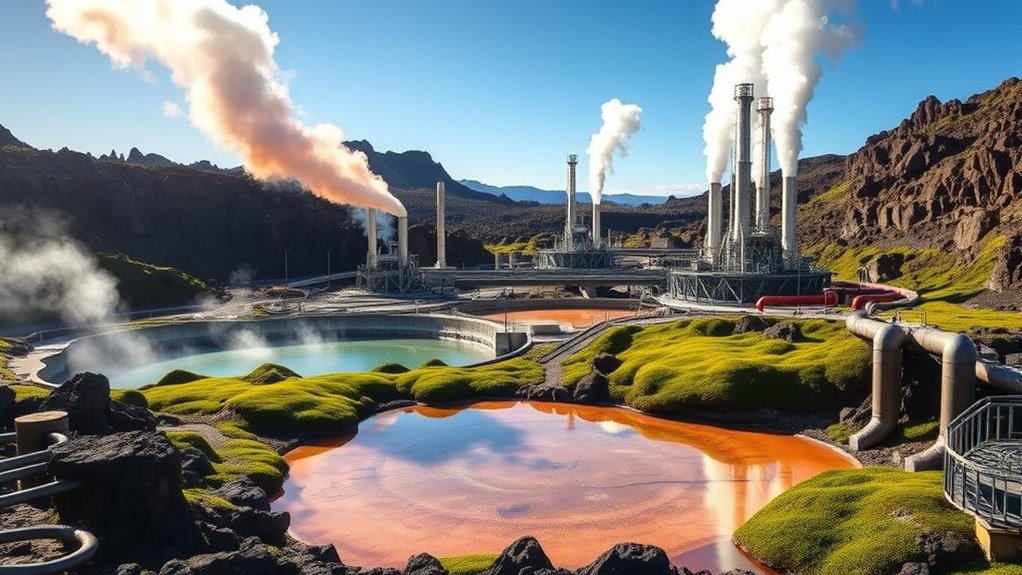

Geothermal energy taps into Earth’s natural heat stored beneath the surface to generate electricity and provide heating. By drilling into underground reservoirs filled with hot water or steam, you can access this renewable resource with advanced techniques that minimize environmental impact. These reservoirs are naturally replenished, ensuring a sustainable supply over time. If you explore further, you’ll discover how innovative technology and geology work together to uncover this hidden power and support our clean energy future.

Get garden gear delivered free — and shop member deals
- Fast, free delivery on millions of items
- Access to Prime Big Deal Days deals on October 6–7
- Prime Video, Amazon Music and more included
Key Takeaways
- Geothermal energy harnesses Earth’s internal heat stored in underground reservoirs of hot water and steam.
- Deep drilling techniques access these reservoirs with precision, minimizing surface disturbance.
- Hot water or steam is converted into electricity via turbines or used directly for heating purposes.
- Technological advances, like enhanced geothermal systems, expand resource accessibility and sustainability.
- Geothermal energy provides a stable, renewable, and low-emission power source for diverse applications.
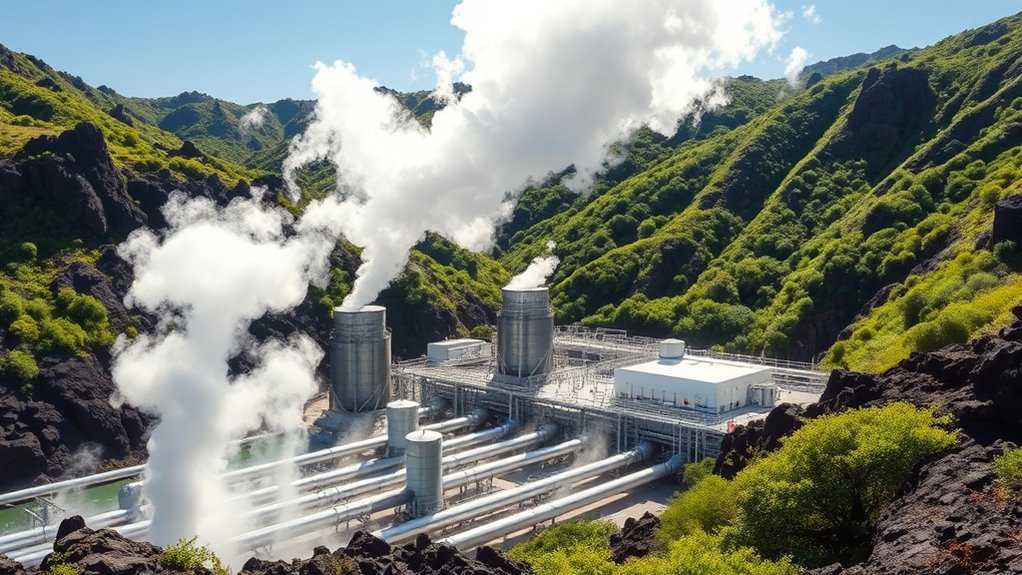
Have you ever wondered how Earth’s internal heat can be harnessed to generate clean energy? It’s a fascinating process that hinges on advanced drilling techniques and the natural existence of thermal reservoirs beneath the surface. When exploring geothermal energy, the first step involves drilling deep into the Earth’s crust to access these thermal reservoirs—large underground pockets filled with hot water and steam. Unlike traditional drilling for oil or gas, geothermal drilling requires precision to reach high-temperature zones without causing excessive surface disturbance. These reservoirs are essential because they contain the thermal energy needed to produce electricity or provide direct heating.
Once you’ve drilled into the correct depth, you tap into these reservoirs by installing wellbores that allow hot water or steam to rise to the surface. The success of this process depends heavily on understanding the geological formations and choosing the right drilling techniques. For instance, some geothermal sites require doublets—pairs of wells—to maximize extraction efficiency. Others may use directional drilling to target specific zones within the reservoir, ensuring the heat is accessed preferably. The goal is always to create a sustainable system that can supply heat or steam over many years without depleting the reservoir.
Installing wellbores and using directional drilling to sustainably access geothermal reservoirs.
The thermal reservoirs themselves are like natural underground heat stores. They’re replenished by the Earth’s continuous heat flow, making geothermal a renewable resource. When you bring the hot water or steam to the surface, it’s used to turn turbines or for direct heating applications. In power plants, the steam spins turbines connected to generators, producing electricity with minimal emissions. Because the heat source is underground and constantly renewed, geothermal energy offers a stable and reliable source of clean power, unlike intermittent wind or solar.
Advancements in drilling techniques have made accessing these reservoirs more efficient and cost-effective. Technologies such as enhanced geothermal systems (EGS) aim to create artificial reservoirs in dry or less permeable rocks, expanding the potential of geothermal energy worldwide. The ability to drill deeper and more precisely also means fewer environmental impacts and less risk of damaging surrounding ecosystems. As you can see, the combination of innovative drilling methods and the natural abundance of thermal reservoirs makes geothermal energy a promising, sustainable solution for meeting our growing energy needs.
geothermal energy heat pump system
As an affiliate, we earn on qualifying purchases.
As an affiliate, we earn on qualifying purchases.
Frequently Asked Questions
How Sustainable Is Geothermal Energy Long-Term?
You might wonder about geothermal energy’s long-term sustainability. It offers good long-term stability because the Earth’s heat source is virtually limitless and constantly replenished. As long as resource renewal practices are maintained, geothermal energy can provide reliable power for decades or even centuries. While some localized issues could occur, overall, it’s a sustainable option that can support your energy needs without depleting the resource.
What Are the Environmental Impacts of Geothermal Plants?
You might wonder about the environmental impacts of geothermal plants. They typically have a small environmental footprint, but can cause ecosystem disruption through land use or water use. Some risks include the release of minor greenhouse gases and minerals, which could affect local air and water quality. Overall, geothermal energy offers a cleaner alternative, but it’s important to carefully manage operations to minimize ecosystem disruption and environmental harm.
How Costly Is Geothermal Energy Compared to Other Renewables?
You might wonder how geothermal energy stacks up cost-wise against other renewables. Generally, it has higher initial investment costs due to drilling and site development, but its operational costs are low. Over time, it can become more cost-effective, especially compared to solar or wind, which have lower upfront costs but higher maintenance and variability. So, while the cost comparison favors renewables like solar in some cases, geothermal offers long-term economic benefits.
Can Geothermal Energy Be Used for Cooling as Well?
You can definitely use geothermal energy for cooling through geothermal cooling systems. These systems leverage heat exchange principles, where the earth’s stable temperature helps dissipate heat. During summer, geothermal cooling pulls heat from your building into the ground, keeping it cool efficiently. It’s a sustainable, cost-effective way to maintain comfortable indoor temperatures, utilizing the earth’s natural heat exchange process for cooling needs.
What Regions Have the Highest Potential for Geothermal Development?
You should focus on regions with hotspot locations, as these areas have high geothermal potential due to intense volcanic activity. Places like the Pacific Ring of Fire, parts of East Africa, and Iceland show strong regional viability for geothermal development. These hotspots offer accessible underground heat, making them ideal for harnessing geothermal energy for power and heating needs. Exploring these regions can maximize your success in geothermal projects.
Conclusion
By tapping into geothermal energy, you harness the Earth’s hidden power, harnessing its warmth beneath your feet. You reduce reliance on fossil fuels, reduce emissions, and embrace a sustainable future. You tap into a renewable resource, tap into reliable energy, and tap into Earth’s natural heat. Geothermal energy offers you a clean, consistent, and eco-friendly solution. By choosing geothermal, you empower yourself to protect the planet, preserve resources, and energize a greener tomorrow.
Evergreen bestsellers Picks
bestsellers
As an affiliate, we earn on qualifying purchases.