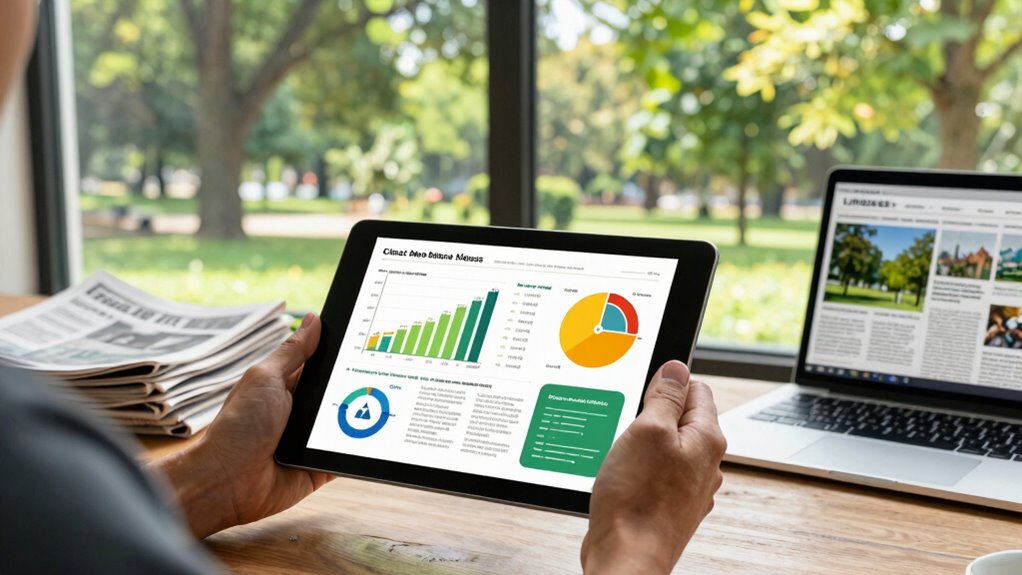
Media literacy helps you critically evaluate climate information by teaching you to analyze sources, question claims, and verify facts through reputable outlets. It equips you to spot misinformation tactics like sensational language and cherry-picked data, preventing falsehoods from spreading. By evaluating credibility and understanding biases, you make better-informed decisions and contribute responsibly to climate discussions. Keep exploring, and you’ll discover more ways to sharpen your skills and navigate climate data confidently.

Get garden gear delivered free — and shop member deals
- Fast, free delivery on millions of items
- Access to Prime Big Deal Days deals on October 6–7
- Prime Video, Amazon Music and more included
Key Takeaways
- Media literacy enables individuals to critically analyze climate news and differentiate between credible sources and misinformation.
- It helps identify biases, agendas, and the credibility of information sources related to climate topics.
- Media literacy skills facilitate fact checking and cross-referencing claims with reputable scientific and governmental sources.
- It raises awareness of misinformation tactics, such as sensational language and cherry-picking data, preventing false beliefs.
- Developing media literacy promotes responsible public discourse and informed decision-making on climate issues.
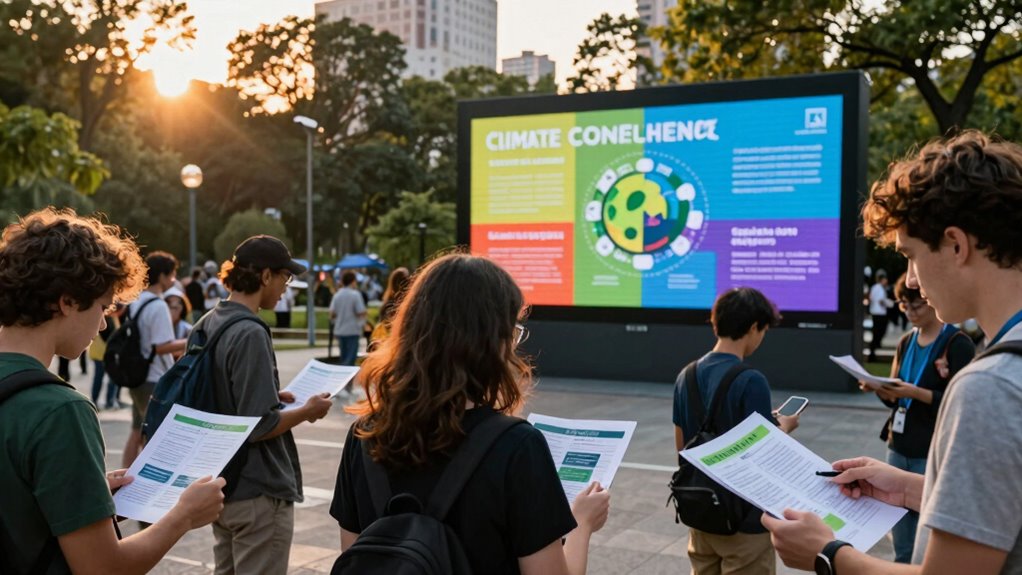
In today’s digital age, understanding how to critically evaluate climate information is more important than ever. With news and data flooding your feeds from countless sources, it’s easy to be overwhelmed or misled. That’s where media literacy comes into play. By honing your ability to analyze and question what you read, you can better distinguish between credible facts and misinformation. One of the essential skills in this process is fact checking strategies. When you encounter a claim about climate change, don’t accept it at face value. Instead, verify the information by cross-referencing it with reputable sources. Look for reports from scientific organizations, government agencies, or peer-reviewed studies, which tend to follow rigorous standards. Developing a habit of fact checking helps you avoid spreading false information and empowers you to make informed decisions.
Verify climate claims with reputable sources to ensure accurate understanding and informed decisions.
Equally important is source credibility assessment. Not all sources are created equal—some may have biases, outdated data, or agendas that distort the truth. When you evaluate a source, consider its origin, expertise, and track record. Is it affiliated with a recognized research institution or a reputable news outlet? Or does it have a history of sensationalism or spreading conspiracy theories? You should also examine the author’s credentials and whether the information is supported by evidence. If a piece of climate news seems alarming or unusually optimistic, scrutinize it carefully. Question the motives behind the message—sometimes, sources with political or financial interests may skew facts to sway opinion. Incorporating tools like media literacy can help you develop a more critical perspective. Additionally, understanding the importance of biodiversity and its connection to climate health can provide valuable context for evaluating environmental claims. Recognizing how different factors like ecosystem health influence climate outcomes can further enhance your analysis skills. Being aware of the spread of misinformation and common tactics used to mislead can also strengthen your ability to discern truth from falsehood. A heightened awareness of how media bias can influence the presentation of climate information is crucial for maintaining objectivity.
Building your media literacy skills means actively engaging with content rather than passively consuming it. Ask yourself who benefits from the message, what evidence supports it, and whether other credible sources corroborate the claim. Recognizing common signs of misinformation, such as sensational language, lack of citations, or cherry-picked data, can help you avoid falling victim to falsehoods. Over time, these practices become second nature, enabling you to navigate the complex landscape of climate information confidently.
Ultimately, your ability to critically evaluate climate information protects not just your understanding but also the broader conversation about climate change. By applying sound fact checking strategies and conducting thorough source credibility assessments, you are contributing to a more informed, responsible public discourse. This proactive approach ensures that your opinions and actions are rooted in truth, fostering better awareness and more effective responses to one of the most pressing issues of our time.
media literacy for climate change
As an affiliate, we earn on qualifying purchases.
As an affiliate, we earn on qualifying purchases.
Frequently Asked Questions
How Can Media Literacy Improve Climate Change Decision-Making?
Media literacy improves your climate change decision-making by sharpening your critical thinking and teaching you how to evaluate sources effectively. When you question the credibility of information, you avoid falling for misinformation or biased content. This helps you make informed choices about actions and policies. By analyzing different perspectives, you develop a clearer understanding of climate issues, empowering you to participate actively in solutions based on reliable, well-sourced information.
What Are Common Media Biases Related to Climate Information?
Imagine a maze where biases lurk around every corner. You might fall prey to confirmation bias, favoring information that confirms your beliefs, and overlook credible sources that challenge your views. Media biases often distort climate info, making it seem more or less urgent than it truly is. By sharpening your media literacy, you navigate this maze better, questioning sources and recognizing when biases skew the facts, leading to more informed decisions.
How Do Emotions Influence Climate Misinformation?
Emotions strongly influence how you perceive climate misinformation. Emotional manipulation, especially through fear-driven narratives, can make false claims seem convincing and urgent. When you’re exposed to these stories, fear can cloud your judgment, making it harder to distinguish fact from fiction. Media literacy helps you recognize these tactics, empowering you to critically evaluate the information and resist manipulation driven by emotional triggers.
Can Media Literacy Reduce Climate Change Skepticism?
Yes, media literacy can reduce climate change skepticism. When you develop critical thinking skills, you learn to analyze sources and question claims, which helps you spot misinformation. Fact checking becomes second nature, enabling you to verify climate data before believing or sharing it. This awareness empowers you to distinguish credible science from falsehoods, fostering a more informed perspective and decreasing skepticism about climate change.
What Role Does Social Media Play in Climate Information Spread?
Social media plays a huge role in climate information spread, with algorithms prioritizing engaging content, often amplifying misinformation. Studies show that false climate claims spread 70% faster than accurate ones. You need strong media literacy to recognize manipulated or misleading posts, as social media algorithms can quickly amplify misinformation spread. By critically evaluating sources, you help curb the influence of false information and promote accurate climate knowledge on these platforms.
Conclusion
By now, you see how media literacy acts as your shield against misinformation, especially on climate topics. It helps you decode false claims from the likes of 19th-century charlatans, keeping you informed and empowered. Just like the invention of the printing press revolutionized knowledge, mastering media literacy today guarantees you’re not duped by fake news. Stay vigilant, question what you read, and be a responsible citizen—your future depends on it, even if you’re just a modern-day Gutenberg.
Halloween Picks
halloween
As an affiliate, we earn on qualifying purchases.