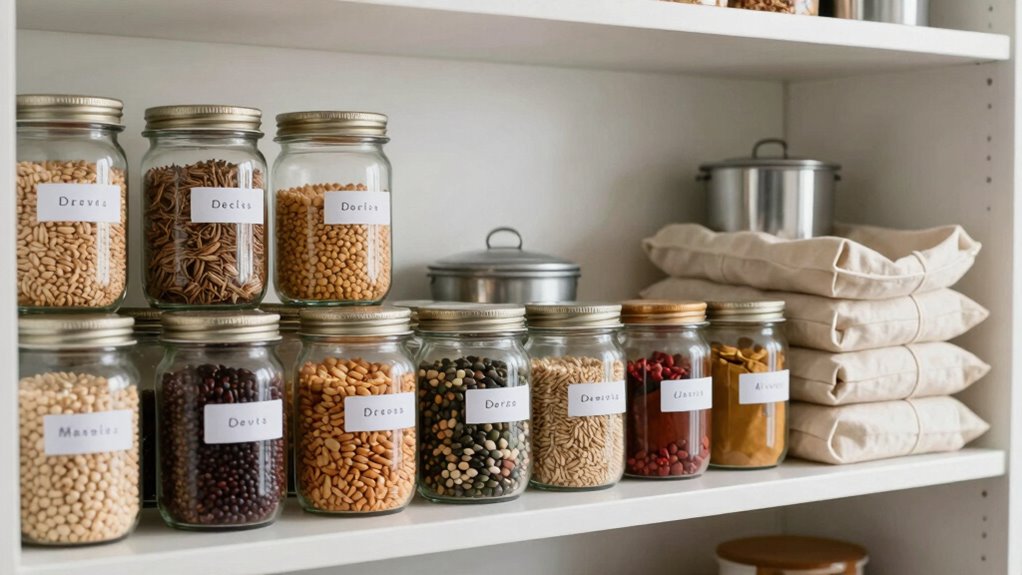

When you prioritize preparedness, you naturally focus on efficient resource use, which reduces waste. Planning ahead helps you stock only what’s needed and avoid impulse buys during crises. Choosing durable, reusable items and managing waste responsibly also supports sustainability. Over time, these habits encourage ongoing waste reduction and eco-friendly routines. If you keep exploring, you’ll discover even more ways that preparedness can positively impact the environment and help you live more sustainably.

Get garden gear delivered free with Prime
- Fast, free delivery on millions of items
- Prime Video, Amazon Music and more included
- Member-only deals all year
Key Takeaways
- Effective emergency planning encourages resource conservation, reducing unnecessary purchases and waste.
- Using durable, reusable items minimizes disposable waste and promotes sustainability.
- Waste management systems in preparedness reduce landfill contributions and enhance recycling efforts.
- Long-term planning for eco-friendly supplies prevents spoilage and food waste.
- Developing sustainable habits through preparedness supports ongoing waste reduction beyond emergencies.
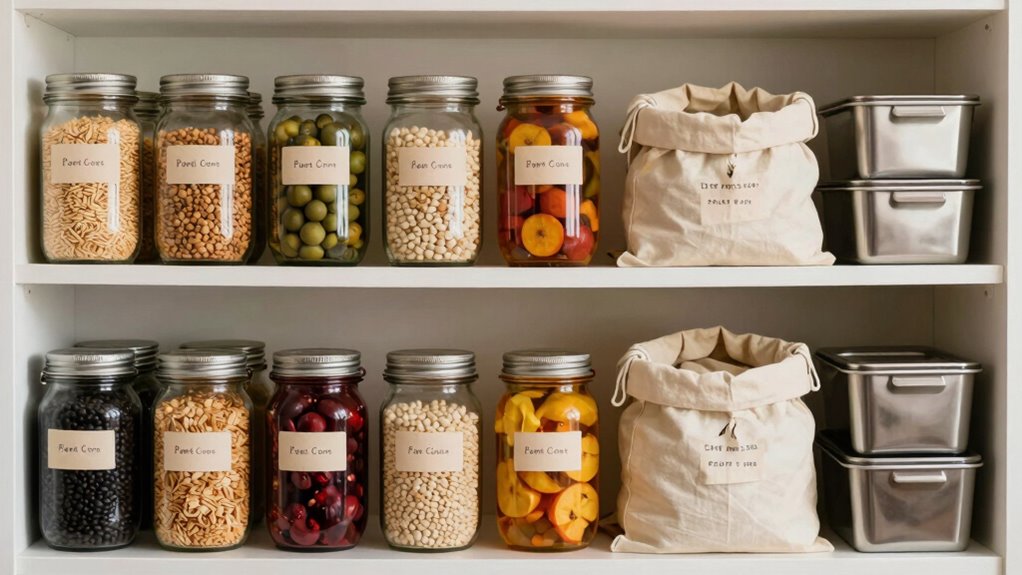
Have you ever wondered how being prepared can markedly reduce waste? When you prioritize emergency planning, you’re not just safeguarding against unexpected events—you’re also actively conserving resources. Proper emergency planning encourages you to stockpile essential supplies, which can prevent unnecessary purchases and reduce the likelihood of panic buying during crises. Instead of grabbing items impulsively, you plan ahead, guaranteeing each resource is used efficiently and only when needed. This mindful approach minimizes waste, both in terms of unused products and excess packaging.
Being prepared helps reduce waste by encouraging planned, efficient use of supplies and minimizing unnecessary purchases.
Resource conservation is at the heart of effective preparedness. By carefully evaluating what you truly need, you avoid overbuying and reduce the clutter that often leads to waste. For example, when you prepare an emergency kit, you select durable, multi-purpose items rather than single-use products, which tend to generate more waste over time. Reusable containers, water bottles, and cloth-based supplies all support sustainable practices, helping you cut down on disposable waste. When you use resources intentionally, you not only extend their lifespan but also decrease the frequency of replacing items, which further cuts down on waste. Additionally, practicing waste management as part of your preparedness can help you identify opportunities to reduce waste and optimize consumption habits in everyday life. Incorporating resource efficiency into your planning can further enhance these efforts by guiding you to minimize waste at each stage.
Furthermore, effective emergency planning often involves establishing systems for waste management. You might set up composting for organic waste or design ways to recycle packaging materials. These actions make your preparedness efforts more sustainable and resource-efficient. When you have a plan for waste disposal, you’re less likely to throw away usable items or let waste pile up unnecessarily. This proactive mindset promotes resource conservation by ensuring that everything is either reused, recycled, or disposed of responsibly. Developing waste reduction strategies can also help you identify specific areas where waste is most prevalent, allowing for targeted improvements.
Moreover, being prepared encourages you to think about long-term impacts, fostering habits that reduce waste over time. For instance, maintaining a well-stocked pantry with non-perishable, eco-friendly foods means you won’t need to frequently toss expired or spoiled items. Planning meals around what’s already available minimizes food waste, which is a significant part of overall waste reduction. Your preparedness efforts naturally extend beyond just handling emergencies—they shape sustainable routines that benefit the environment.
In addition, fostering an awareness of resource management can help you identify opportunities to reduce waste and optimize consumption habits in everyday life. Your preparedness mindset can serve as a foundation for ongoing sustainable practices that contribute positively to the environment.
In essence, emergency planning and resource conservation are intertwined. When you prepare thoughtfully, you’re less likely to waste supplies, reduce excess consumption, and develop habits that sustain the environment. This synergy ensures that you’re not only ready for unforeseen circumstances but also actively contributing to waste reduction and resource preservation in your daily life.
reusable food storage containers
As an affiliate, we earn on qualifying purchases.
As an affiliate, we earn on qualifying purchases.
Frequently Asked Questions
How Does Preparedness Reduce Overall Waste?
Preparedness reduces overall waste by helping you plan ahead and avoid over-purchasing, promoting sustainable consumption. When you prepare properly, you use resources more efficiently, ensuring you’re not wasting materials or energy. This proactive approach minimizes excess and spoilage, leading to less waste generation. By being prepared, you support resource efficiency and make smarter choices, ultimately reducing environmental impact and fostering a more sustainable way of living.
What Are Common Waste Reduction Strategies in Emergencies?
In emergencies, you’ll want to channel your inner eco-warrior by prioritizing recycling initiatives—yes, even when chaos reigns. You can also opt for sustainable packaging, turning trash into treasure. These strategies minimize waste, conserve resources, and keep the planet somewhat intact while you handle the chaos. It’s almost like being a superhero—saving the day and the environment, one recycled bottle at a time.
Can Waste Reduction Improve Long-Term Preparedness?
Yes, waste reduction can improve long-term preparedness by promoting sustainable practices and resource conservation. When you focus on reducing waste, you become more efficient in managing supplies, which helps you prepare better for emergencies. Implementing eco-friendly habits guarantees resources are preserved, making your response more resilient. This proactive approach not only minimizes environmental impact but also strengthens your ability to handle crises effectively over time.
How Do Individual Actions Impact Community Preparedness and Waste?
Your personal habits directly influence community resilience and waste levels. When you reduce waste, you’re not just cutting clutter—you help conserve resources and lower environmental strain. These actions ripple outward, strengthening community preparedness for emergencies by ensuring resources are available and sustainable. Small changes in your daily routine can create a powerful collective impact, building a more resilient, prepared community that’s ready to face challenges together—trust us, the difference you make matters.
What Role Do Policies Play in Supporting Both Goals?
Policies play a vital role in supporting preparedness and waste reduction by implementing policy incentives and regulatory frameworks. These tools encourage individuals and organizations to adopt sustainable practices, such as reducing waste and preparing for emergencies. When policies incentivize eco-friendly actions and set clear regulations, they create a supportive environment that aligns community efforts with broader goals, making it easier for everyone to contribute effectively toward a resilient and sustainable future.
Conclusion
By embracing preparedness and waste reduction together, you not only protect yourself from unexpected events but also reduce your environmental impact. Some might think it’s inconvenient or costly, but think of it as investing in peace of mind and a healthier planet. When you prepare wisely, you use resources efficiently, cutting down unnecessary waste. So, don’t see it as extra effort—see it as a smart, sustainable way to stay ready and responsible, no matter what comes your way.
Columbus Day / Indigenous Peoples' Day Picks
long weekend sales
As an affiliate, we earn on qualifying purchases.