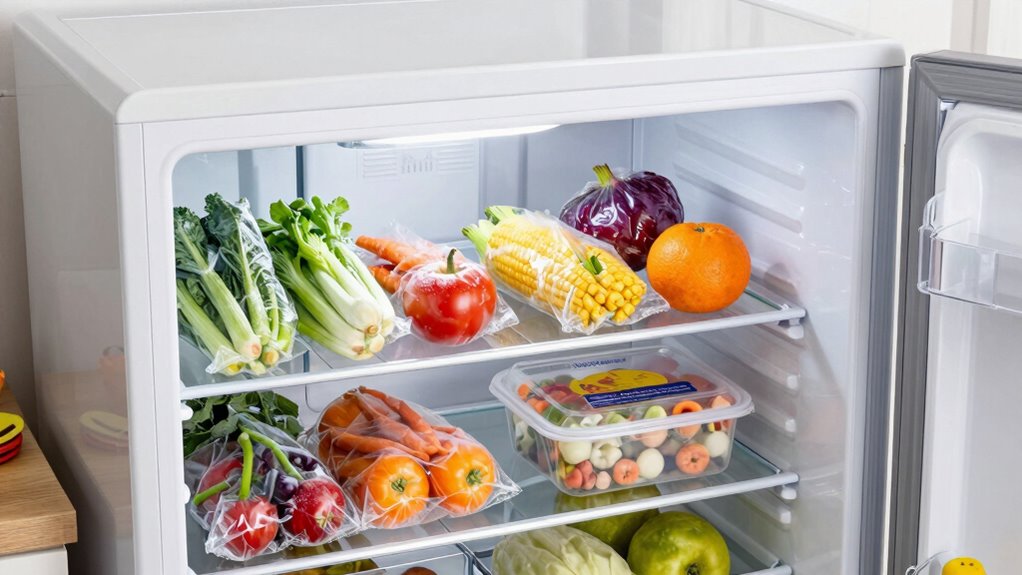

A well-planned freezer strategy boosts your food security by helping you store leftovers, buy in bulk, and freeze meals for emergencies, ensuring nutritious options are always available. It also reduces waste by preventing spoilage and encouraging proper storage techniques. Organizing and labeling freezer items saves money, minimizes impulse buys, and cuts down on trips to the store. If you want to learn effective ways to maximize your freezer’s potential, you’ll find helpful tips ahead.

Get garden gear delivered free with Prime
- Fast, free delivery on millions of items
- Prime Video, Amazon Music and more included
- Member-only deals all year
Key Takeaways
- A strategic freezer plan ensures a reliable supply of nutritious food during emergencies, enhancing food security.
- Proper freezing techniques extend food shelf life, reducing spoilage and preventing waste.
- Organized freezing and labeling optimize inventory management and minimize unnecessary purchases.
- Freezer strategies support cost savings by enabling bulk buying and portioning for later use.
- Maintaining an efficient freezer reduces energy consumption and prolongs appliance lifespan, supporting sustainability.
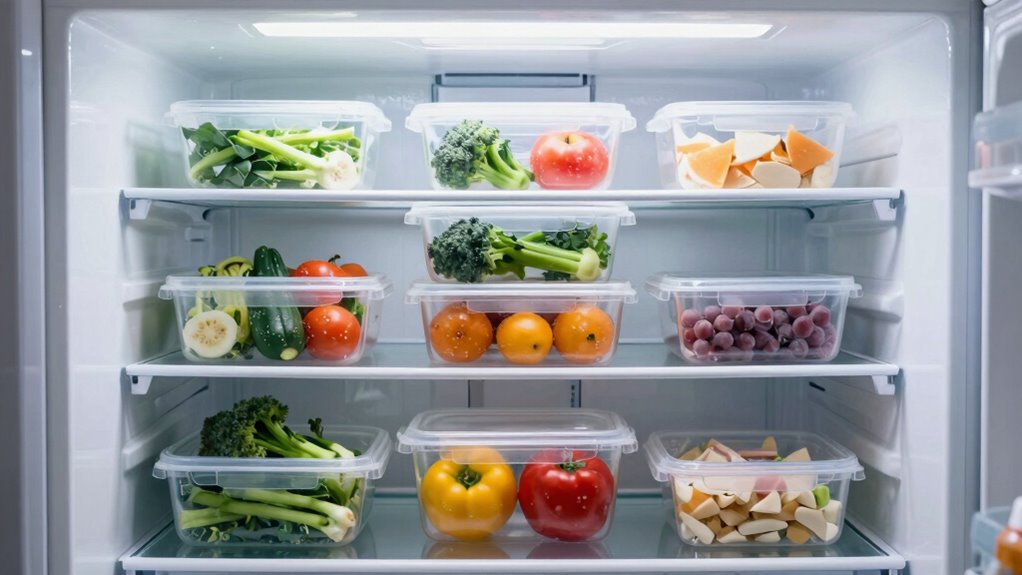
Have you ever considered how a simple freezer can become a powerful tool in guaranteeing food security and reducing waste? It’s more than just a place to store leftovers; it’s a critical component of effective meal planning and sustainable living. When you use your freezer wisely, you can stretch your groceries, prevent spoilage, and make sure nutritious food is available even during emergencies or unexpected events. By planning your meals in advance, you can buy in bulk, take advantage of discounts, and freeze portions for later use. This reduces the frequency of grocery trips and minimizes impulse buys, helping you save money and control your consumption. Proper meal planning also means you can prepare balanced meals in advance, assuring that you and your family eat healthily while avoiding last-minute takeout that often leads to waste. Additionally, understanding how to optimize your freezer’s energy use can further enhance its benefits without increasing your electricity expenses. Maintaining your freezer’s temperature at the recommended level is essential, as it directly impacts both energy consumption and food preservation quality. Energy efficiency plays a key role in making your freezer work effectively without driving up your electricity bill. To maximize energy efficiency, keep your freezer well-maintained—defrost it regularly, ensure the door seals are airtight, and avoid overfilling it so air can circulate freely. When you organize your frozen items properly, you reduce the time the door stays open, which helps maintain a stable temperature and saves energy. Moreover, using inventory management strategies—such as tracking what you have—can help prevent over-purchasing and ensure you utilize your frozen foods before they expire, further reducing waste. Labeling your stored food with dates allows you to prioritize what to use first, preventing items from languishing in the back and eventually spoiling. This careful planning reduces waste and ensures that every bit of food you store is used before it goes bad. Implementing these food preservation techniques also extends the shelf life of perishable items, making your food last longer and preventing unnecessary disposal. Incorporating proper storage methods can further improve the quality and longevity of your frozen foods. Using your freezer strategically also means you can save time and reduce stress during busy days. When you batch cook and freeze meals, you eliminate the daily scramble of figuring out what to eat. This not only streamlines your meal planning but also ensures that nutritious options are always on hand. Furthermore, freezing leftovers and excess ingredients prevents wastage and gives you ready-to-go meals for those days when cooking from scratch isn’t feasible. It’s a smart way to make the most of your food budget while supporting a more sustainable lifestyle. In the end, a well-maintained, thoughtfully used freezer isn’t just about convenience; it’s an essential tool for enhancing food security, reducing waste, and promoting energy efficiency in your household.
As an affiliate, we earn on qualifying purchases.
Frequently Asked Questions
How Does Freezer Technology Vary Across Different Regions?
You’ll notice that regional refrigeration varies based on climate, infrastructure, and cultural storage practices. In colder regions, freezer technology might be less advanced or used primarily for long-term storage, while warmer areas rely on more sophisticated systems. Cultural storage habits also influence freezer design, with some communities favoring traditional methods. This variation impacts food preservation, accessibility, and waste reduction, emphasizing the importance of tailored freezer strategies across different regions.
What Are the Environmental Impacts of Freezer Use Worldwide?
Freezer use worldwide profoundly impacts the environment, with energy consumption soaring and greenhouse emissions skyrocketing. You might not realize it, but every frozen food item eats up massive amounts of electricity, fueling climate change at an alarming rate. This relentless energy drain contributes notably to greenhouse gases, accelerating global warming. By optimizing freezer use, you can reduce your carbon footprint and help combat these catastrophic environmental effects.
How Can Small Households Optimize Freezer Energy Efficiency?
You can optimize your freezer’s energy efficiency by carefully choosing its placement—keep it in a cool, ventilated spot away from heat sources. Follow energy saving tips like defrosting regularly, not overfilling it, and ensuring the door seals tightly. These steps reduce energy consumption, save you money, and help lessen environmental impact. Consistently maintaining your freezer’s efficiency also prolongs its lifespan and keeps your food safer.
Are There Cultural Differences in Freezer Storage Practices?
Like a tapestry woven with diverse threads, cultural traditions influence freezer storage practices worldwide. You’ll find preservation methods vary greatly—some communities favor freezing fish or herbs, while others prioritize freezing bread or dairy. These differences stem from regional diets, climate, and customs. Understanding these cultural nuances helps you appreciate the rich variety of freezer practices, highlighting how traditions shape storage habits and guarantee food stays fresh and safe across different societies.
What Innovations Are Emerging in Freezer Design for Sustainability?
You’ll notice emerging innovations in freezer design focus on sustainability, like using innovative insulation to improve energy efficiency and eco-friendly refrigerants that reduce environmental impact. These advancements help lower carbon footprints and cut energy costs. As a consumer, you benefit from appliances that are both more eco-conscious and cost-effective. Manufacturers are prioritizing these sustainable technologies, making it easier for you to store food safely while supporting environmental efforts.
Conclusion
By adopting a solid freezer strategy, you’re planting seeds of security in your kitchen’s garden, safeguarding food from the relentless sun of spoilage and waste. Think of your freezer as a sturdy fortress, holding back the tide of perishable items that threaten to drown your resources. With this approach, you’re not just conserving food—you’re weaving a safety net beneath your daily meals, ensuring that your pantry remains a well-stocked, resilient fortress against hunger and waste.
Fall Picks
fall essentials
As an affiliate, we earn on qualifying purchases.