To create healthy buildings, start by maximizing natural light through proper window placement and skylight design, considering their orientation to capture ideal sunlight while reducing heat gain. Use shading devices like overhangs or blinds to control glare and temperature, and introduce adjustable lighting controls to balance daylight levels. Combining these strategies helps improve mood, productivity, and energy efficiency. Keep exploring to discover how these daylighting basics can transform your space into a healthier, more sustainable environment.
Key Takeaways
- Natural light improves occupant mood, productivity, and overall health in building environments.
- Proper window orientation and skylight placement optimize daylight entry and distribution.
- Using shading devices and smart controls manages glare and heat gain for comfort and energy efficiency.
- Combining daylight sources like windows and skylights enhances illumination while reducing artificial lighting needs.
- Understanding sunlight patterns and customizing skylights support sustainable, healthy indoor spaces.
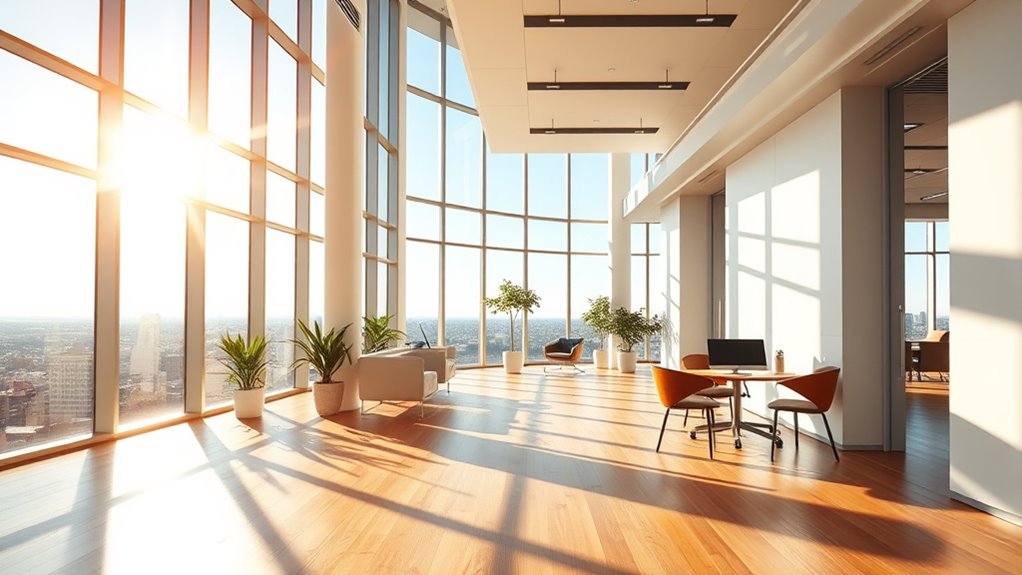
Have you ever wondered how natural light can transform a space? It’s not just about making rooms brighter; daylight influences your mood, productivity, and overall health. To maximize these benefits, understanding the basics of daylighting is essential. One of the key factors is window orientation. The direction your windows face determines how much sunlight enters your space at different times of day and in various seasons. For example, south-facing windows in the northern hemisphere typically bring in abundant sunlight throughout the day, helping to warm and light the room naturally. East-facing windows catch the morning sun, creating a lively start to your day, while west-facing windows bring in warm, late-afternoon light, perfect for cozy evenings. North-facing windows offer consistent, diffuse light without harsh shadows, ideal for spaces needing steady illumination without glare.
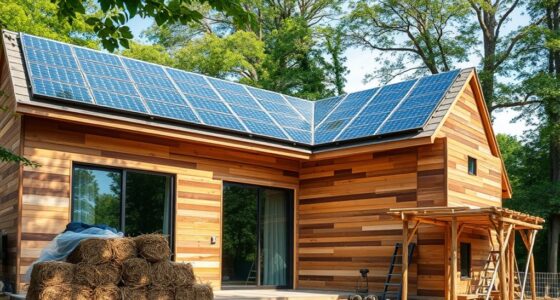
Designing skylights also plays a significant role in daylighting. Skylight design isn’t just about adding a window to the ceiling; it’s about thoughtfully integrating light into your space to optimize comfort and energy efficiency. Properly designed skylights can flood a room with natural light, reducing your reliance on artificial lighting during the day. The placement, size, and glazing of skylights influence how much light enters and how it’s distributed. For example, a centrally located skylight can evenly illuminate a large space, while those positioned over work areas provide focused daylight where you need it most. The angle and orientation of skylights matter too—they should be positioned to avoid excessive glare and heat gain, especially in warmer months. Using operable skylights can also help ventilate your space, improving air quality and comfort. Additionally, the use of lighting controls such as dimmers and smart shading devices can further optimize natural light levels and reduce energy consumption.
When planning your daylighting strategy, consider how window orientation and skylight design work together. Combining south-facing windows with well-placed skylights can flood your space with natural light, reducing energy costs and creating a more inviting environment. But it’s equally important to incorporate shading devices, such as overhangs or blinds, to control glare and heat gain, especially during peak sunlight hours. Proper daylighting isn’t just about flooding your space with light; it’s about creating a balanced, healthy environment that minimizes energy use and maximizes comfort. By understanding how window orientation influences sunlight patterns and how skylight design can be customized to your needs, you’re on your way to creating a space that’s both beautiful and sustainable.
Frequently Asked Questions
How Does Daylighting Impact Indoor Air Quality?
Daylighting improves indoor air quality by encouraging natural ventilation and reducing reliance on artificial lighting, which can trap pollutants. The daylight effects promote a fresher environment, as increased sunlight helps break down airborne bacteria and pollutants. When you maximize daylighting, you create a healthier space, boosting air quality and supporting overall well-being. This natural approach reduces indoor contaminants, making your indoor environment cleaner and more comfortable.
What Are the Cost Benefits of Daylighting Strategies?
You’ll see cost benefits from daylighting strategies through significant energy savings, as natural light reduces the need for artificial lighting and HVAC use. This also boosts occupant productivity, leading to fewer sick days and better work quality. Over time, these advantages lower operational costs and increase building value. Embracing daylighting not only enhances comfort but also offers a smart investment in your building’s long-term efficiency and sustainability.
How Can Daylighting Be Integrated Into Existing Buildings?
You can integrate daylighting into existing buildings by retrofitting windows to improve natural light and installing skylights where possible. These strategies maximize daylight while maintaining energy efficiency. Consider upgrading old windows with modern, energy-efficient ones, and add skylights in areas with limited wall space for windows. These enhancements boost natural lighting, reduce reliance on artificial light, and create healthier, more comfortable environments for occupants.
Are There Any Health Risks Associated With Excessive Daylight Exposure?
Excessive daylight exposure can be like a double-edged sword, causing issues like glare and discomfort, which might lead to circadian disruption. When sunlight floods your space, it can disturb your sleep patterns and cause eye strain. To avoid these risks, manage daylight with shading and controls. This way, you enjoy natural light’s benefits without risking your health or comfort.
What Are the Latest Technological Advancements in Daylighting?
You’ll find that smart windows and adaptive shading are the latest advancements in daylighting technology. Smart windows automatically adjust their transparency to optimize natural light and reduce glare, saving energy and enhancing comfort. Adaptive shading systems dynamically respond to sunlight and interior needs, providing precise control over daylight levels. These innovations help you create healthier, more energy-efficient buildings by maximizing daylight use while minimizing heat gain and discomfort.
Conclusion
By embracing daylighting, you open the windows to a brighter, healthier world inside your building. It’s like planting seeds of vibrancy that bloom with natural light, nourishing your space and well-being. When you harness the sun’s gentle touch, you craft environments where energy and health flow freely—transforming your building into a living, breathing organism. So, let the sunlight be your guide, illuminating the path to spaces that nurture your body and spirit alike.