

You might think that storage is all about capacity, but timing is just as vital. How fast you can access, transfer, and preserve data determines your system’s performance and reliability. High capacity only helps if your storage can keep up with your data needs without delays or bottlenecks. Managing storage timing properly guarantees quick responses, smoother workflows, and better data safety. Keep exploring, and you’ll discover how perfect timing makes all the difference in storage systems.

Get garden gear delivered free — and shop member deals
- Fast, free delivery on millions of items
- Access to Prime Big Deal Days deals on October 6–7
- Prime Video, Amazon Music and more included
Key Takeaways
- Effective storage relies on quick data access and retrieval, emphasizing timing over mere capacity.
- Proper timing ensures data integrity and prevents loss during critical operations.
- Minimizing storage latency improves system responsiveness, regardless of storage size.
- Redundant data should be managed with optimal timing to balance safety and performance.
- Storage architecture influences how well timing factors optimize overall system efficiency.
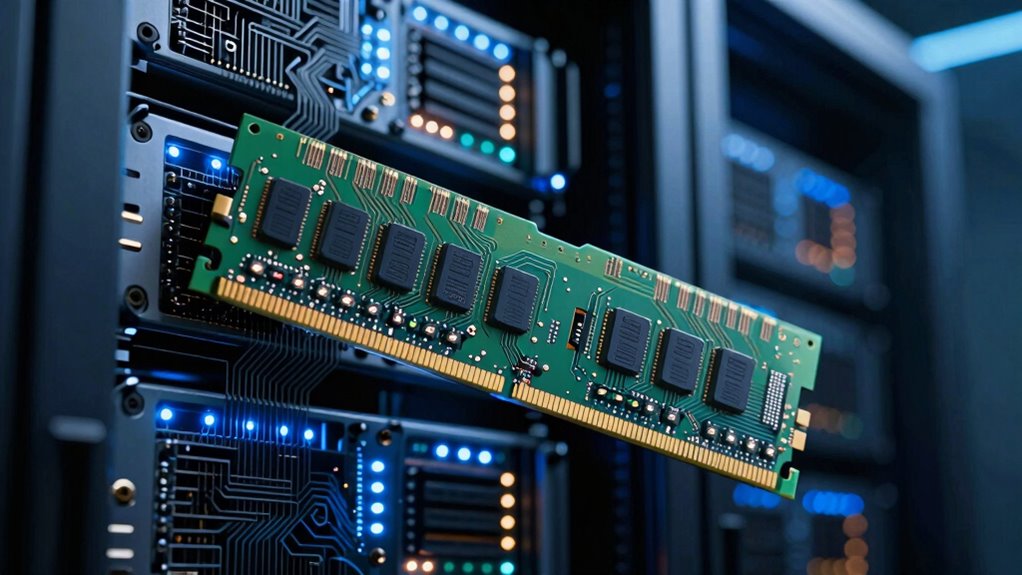
Have you ever wondered how long you can safely store food or other perishable items before they spoil? The same idea applies to digital storage. It’s not just about how much space you have; it’s about timing—how quickly your data can be accessed, stored, and preserved without losing integrity. When managing storage, understanding concepts like data redundancy and storage latency becomes essential. These factors influence how effectively your storage system performs over time, impacting the reliability and speed you need. Properly managing storage timing can prevent unexpected data loss and ensure your system remains responsive during critical moments. Data redundancy plays a key role in storage timing. It’s about creating copies of your data so that even if one copy becomes corrupted or lost, you can recover it quickly. But redundancy isn’t only for safety—it also affects how fast you can access your data. With multiple copies available, retrieval times can be optimized, reducing storage latency. Additionally, adopting efficient redundancy strategies can help balance safety and performance, ensuring your system is both resilient and swift. However, too much redundancy can introduce delays in writing data because the system must ensure all copies are synchronized. So, striking the right balance is imperative. Effective redundancy strategies help you avoid data loss during critical moments, but they also influence how swiftly your system can retrieve or update data. Additionally, storage architecture has a significant impact on how well these factors work together. Managing storage latency—how long it takes for your system to read or write data—is a crucial aspect of storage timing. High latency means delays, which can slow down your operations or lead to bottlenecks, especially when dealing with large or frequent data transfers. Optimizing storage performance involves addressing these latency issues to keep workflows smooth. When you prioritize timing, minimizing storage latency becomes a top goal. Faster storage solutions, like solid-state drives or advanced caching techniques, help in this regard. They ensure that data is available when needed, preventing delays that could disrupt workflows or user experiences. Remember, even if your storage capacity is vast, high latency can negate the benefits by slowing everything down.
As an affiliate, we earn on qualifying purchases.
Frequently Asked Questions
How Does Storage Timing Affect Overall Data Performance?
Storage timing directly impacts your data performance by influencing how quickly data is accessed and processed. Effective cache management guarantees that frequently used data stays readily available, reducing delays. Additionally, optimizing timing improves power efficiency, which can extend device lifespan and reduce energy costs. When you prioritize timing, you enhance overall system responsiveness, making data retrieval faster and more reliable, ultimately boosting your productivity and system efficiency.
What Are the Key Factors Influencing Storage Timing?
You influence storage timing through key factors like data synchronization and I/O scheduling. Data synchronization guarantees data is accurately aligned across systems, reducing delays. Efficient I/O scheduling manages how read/write requests are handled, minimizing wait times. Together, these factors optimize how quickly your storage responds, making timing essential for performance. By fine-tuning synchronization and scheduling, you can substantially improve data transfer speeds and system responsiveness.
Can Storage Timing Issues Be Detected Automatically?
Yes, storage timing issues can be detected automatically. Think of it as having a vigilant guard watching over data synchronization and signal integrity. Automated tools monitor these factors in real-time, catching glitches before they cause problems. They analyze timing signals, compare data streams, and alert you to discrepancies, ensuring smooth operation. With such systems, you can catch issues early, preserving data accuracy and system reliability without constantly manual oversight.
How Does Timing Impact SSD Lifespan?
Timing greatly impacts your SSD’s lifespan by influencing data durability and wear leveling. When data is written or erased too frequently at certain points, it causes uneven wear, reducing the drive’s longevity. Proper timing guarantees balanced wear leveling, which distributes write cycles evenly across the NAND cells. This prevents premature failure, extends your SSD’s life, and maintains ideal performance over time.
What Tools Are Used to Analyze Storage Timing?
You use advanced tools like firmware optimization algorithms and signal integrity analyzers to scrutinize storage timing. These tools dive deep into the tiniest delays and fluctuations that could ruin performance or lifespan. Firmware optimization fine-tunes the controller’s timing, while signal integrity tools guarantee the electrical signals stay pristine. Together, they act like microscopic detectives, catching every glitch that could turn seconds into eternity and saving your storage from catastrophic failure.
Conclusion
Remember, storage isn’t just about how much you hold but when you access it. Timing can make all the difference in efficiency and performance. As the saying goes, “A stitch in time saves nine.” By understanding and optimizing storage timing, you guarantee data is ready exactly when you need it, avoiding unnecessary delays. In the world of storage, being timely is just as important as being ample—sometimes even more so.
Fall yard work Picks
leaf blowers
As an affiliate, we earn on qualifying purchases.