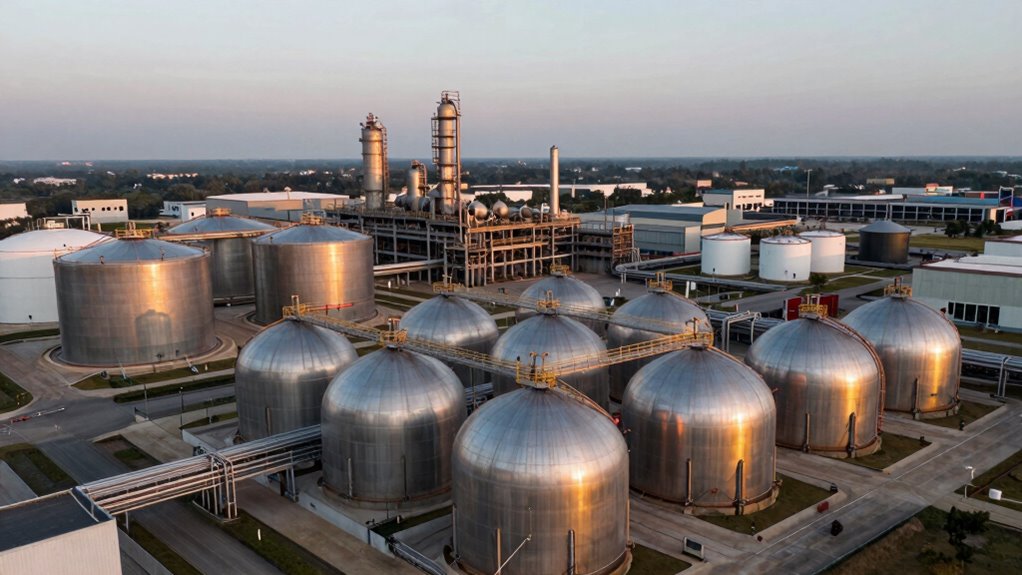

You need a strategy for your storage tanks because size alone doesn’t guarantee performance. A solid plan considers environmental stresses, chemical exposure, and maintenance needs to keep tanks in good condition. It helps you manage lifecycle, reduce costs, and prevent failures. Without a strategy, your tanks could become liabilities over time. Keep exploring to discover how a thoughtful approach can protect your assets and guarantee long-term success.

Get garden gear delivered free — and shop member deals
- Fast, free delivery on millions of items
- Access to Prime Big Deal Days deals on October 6–7
- Prime Video, Amazon Music and more included
Key Takeaways
- Focusing solely on size overlooks environmental stresses and chemical exposure that impact tank lifespan.
- A strategic approach ensures proper maintenance, reducing downtime and costly repairs over the tank’s lifecycle.
- Considering durability and materials protects against corrosion and degradation, enhancing long-term asset value.
- Effective risk management and lifecycle planning prevent unexpected failures and operational disruptions.
- Prioritizing strategy over capacity promotes safety, sustainability, and operational efficiency in storage management.
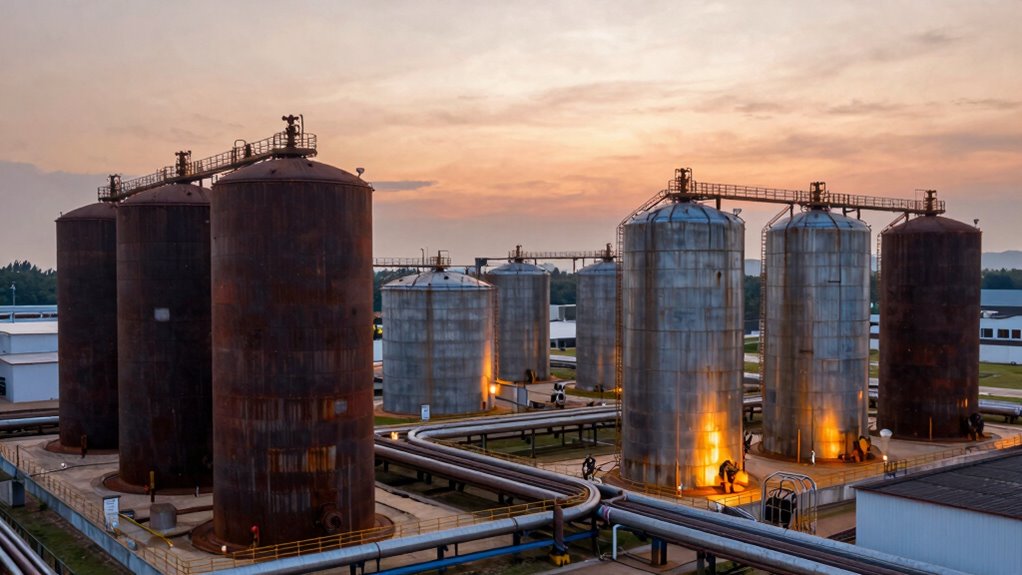
When it comes to managing storage tanks, having a clear strategy isn’t just helpful—it’s essential. Relying solely on the size of your tanks can lead to overlooked issues and unexpected failures. Instead, a well-thought-out approach considers factors like tank durability and maintenance planning, which are critical for long-term success. Tank durability isn’t just about choosing a sturdy container; it involves understanding how your storage environment, the materials stored, and operational conditions impact the tank’s lifespan. If you ignore these elements, your tanks may degrade faster than anticipated, leading to costly repairs or replacements. A strategic approach ensures you select tanks built for your specific needs, with materials and designs that withstand environmental stresses, chemical exposure, and everyday wear and tear. Incorporating sustainable practices into your tank management can further enhance durability and reduce environmental impact. Maintenance planning plays a pivotal role in extending the life of your storage tanks. Regular inspections, cleaning, and timely repairs prevent minor issues from escalating into major failures. When you develop a maintenance schedule rooted in a clear strategy, you’re more likely to catch corrosion, leaks, or structural weaknesses early. This proactive stance minimizes downtime and prevents environmental hazards, which can be disastrous both financially and reputationally. Moreover, maintenance planning isn’t a one-time task; it’s an ongoing process that adapts as your operational conditions change. A strategic plan accounts for tank age, usage patterns, and the type of materials stored, helping you prioritize maintenance activities effectively. Recognizing the importance of preventive measures ensures that potential problems are addressed before they develop into costly crises. Incorporating risk management strategies into your plan can further reduce the likelihood of unexpected failures. A comprehensive understanding of tank lifecycle management can help you optimize maintenance schedules and upgrade strategies over time. It’s also important to consider the impact of environmental factors that may influence your tank’s integrity. Focusing solely on tank size neglects these critical factors. Larger tanks aren’t automatically better if they lack proper durability or maintenance routines. In fact, oversized tanks without adequate upkeep can become liabilities. A strategic mindset encourages you to consider the entire lifecycle of your storage solutions, rather than just their capacity. It prompts you to implement protective coatings, corrosion inhibitors, and monitoring systems that preserve tank integrity over time. This holistic view ensures your investment remains reliable, safe, and compliant with regulations. In essence, managing storage tanks isn’t just about how much they hold; it’s about how well they perform over their lifespan. When you develop a strategic approach that emphasizes tank durability and maintenance planning, you’re protecting your assets and safeguarding your operations. The right strategy helps you avoid unnecessary costs, environmental issues, and operational disruptions, making your storage management more efficient and sustainable. It’s a proactive stance that recognizes the importance of longevity, safety, and reliability—elements that are far more valuable than just the size of your tanks.
As an affiliate, we earn on qualifying purchases.
Frequently Asked Questions
How Often Should Storage Tank Strategies Be Reviewed?
You should review your storage tank strategy at least annually, or more often if there are significant changes in your operations. Regular reviews help you stay on top of storage optimization and risk assessment, ensuring your tanks operate safely and efficiently. Keep an eye on changing regulations, usage patterns, and potential hazards, so you can adapt your strategy proactively, minimizing risks and maximizing storage performance.
What Are Common Mistakes in Tank Strategy Implementation?
You might overlook regular tank maintenance, leading to corrosion or leaks that compromise safety protocols. For example, neglecting routine inspections in a chemical plant caused a spill, risking environmental harm. A common mistake is assuming size alone ensures safety; instead, you must implement a thorough strategy. Failing to update safety protocols or neglecting maintenance schedules can cause costly failures, making proactive planning essential for effective tank management.
How Does Environmental Impact Influence Tank Management?
Environmental impact influences tank management by requiring you to conduct thorough environmental assessments and guarantee regulatory compliance. You need to monitor potential leaks, spills, or emissions that could harm the environment, and implement protective measures accordingly. Staying compliant with regulations not only minimizes environmental damage but also prevents costly fines. By proactively managing these factors, you safeguard ecosystems and maintain your organization’s reputation.
Can Small Tanks Benefit From Strategic Planning?
Small tanks absolutely benefit from strategic planning, as neglecting it can lead to disaster bigger than a hurricane. Proper capacity planning ensures you choose the right tank size, avoiding costly over- or under-sizing. Even with limited space, a thoughtful approach helps optimize usage, reduce waste, and improve safety. Strategic tank management keeps your operations running smoothly, proving that size isn’t everything—smart planning makes all the difference.
What Technology Aids in Effective Storage Tank Strategy?
Sensor integration and data analytics are key technologies that aid in effective storage tank strategy. By installing sensors, you can continuously monitor tank conditions like level, temperature, and pressure in real-time. Data analytics then processes this information to identify patterns, optimize usage, and predict maintenance needs. This combination helps you make smarter decisions, improve efficiency, and prevent costly failures, ensuring your storage system operates smoothly and reliably.
Conclusion
Remember, a storage tank is more than just a vessel; it’s the silent guardian of your operations. Like a sturdy lighthouse guiding ships safely through storms, your strategy illuminates the path to efficiency, safety, and longevity. Size alone isn’t enough—without a clear plan, even the strongest tank can falter. Embrace a thoughtful approach, and watch your storage system become a resilient beacon, ensuring smooth sailing no matter what challenges come your way.
Fall yard work Picks
leaf blowers
As an affiliate, we earn on qualifying purchases.