
Sustainable transport policies are driving the EV boom by expanding charging networks, making electric vehicles more affordable through tax credits and rebates, and integrating charging stations into urban planning. These measures remove barriers like range anxiety and high costs, encouraging more people to switch. Governments also support infrastructure development at workplaces and residential areas, helping normalize EV use. If you want to discover how these strategies are shaping urban mobility, keep exploring the details behind this green transformation.

Get garden gear delivered free — and shop member deals
- Fast, free delivery on millions of items
- Access to Prime Big Deal Days deals on October 6–7
- Prime Video, Amazon Music and more included
Key Takeaways
- Government incentives like tax credits and rebates make EVs more affordable and attractive to consumers.
- Investment in widespread charging infrastructure reduces range anxiety and supports seamless EV usage.
- Urban policies mandating charging stations in new developments promote accessible electric mobility.
- Grants and subsidies for installing charging stations expand public and private charging networks.
- These policies collectively foster a shift toward cleaner, sustainable urban transportation systems.
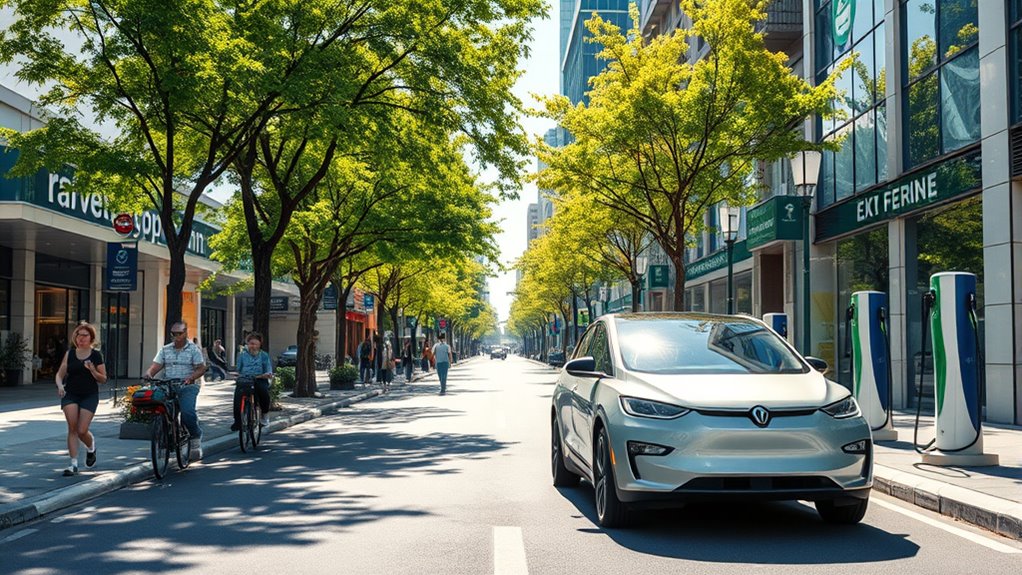
Have you ever wondered how cities can reduce pollution while keeping transportation efficient? One of the key strategies gaining traction is the development of robust charging infrastructure paired with attractive fiscal incentives. These measures are vital to making electric vehicles (EVs) more accessible and appealing to the general public. When cities invest in widespread charging networks, they eliminate one of the biggest barriers to EV adoption: range anxiety. You want to be able to charge your car conveniently whether you’re at home, work, or on the road, and a thorough charging infrastructure makes that possible. Public charging stations, fast chargers, and residential options create a seamless experience, encouraging more people to switch from traditional gasoline-powered cars.
Robust charging infrastructure and incentives make EVs more accessible and eliminate range anxiety.
Fiscal incentives also play an essential role in accelerating the EV boom. Governments are offering various financial benefits, such as tax credits, rebates, and reduced registration fees, which lower the overall cost of purchasing an EV. These incentives make electric vehicles more affordable and can greatly influence consumer decisions. When you see a substantial rebate on an EV, it’s easier to justify the switch, especially when combined with the lower operational costs associated with electric driving. These incentives not only stimulate individual purchases but also send a strong signal that sustainable transportation is a priority, encouraging automakers to expand their EV offerings.
In many cities, policies that prioritize the expansion of charging infrastructure and fiscal incentives are part of a broader sustainable transport strategy. They work together to create an environment where EV adoption can thrive. For example, some urban areas require new residential or commercial developments to include charging stations, integrating infrastructure into the city’s fabric. Meanwhile, governments may offer grants or subsidies to businesses that install charging stations, expanding access beyond residential areas. This thorough approach helps normalize electric vehicles and reduces reliance on fossil fuels, directly impacting urban air quality and carbon emissions. Additionally, promoting public awareness about the benefits of EVs further accelerates adoption and supports these policies.
As you consider switching to an EV, these policies and infrastructure developments directly benefit you. They guarantee that charging is quick, accessible, and affordable, removing common obstacles faced by potential buyers. Fiscal incentives make the initial purchase more attainable, and a strong charging network guarantees you won’t be stranded without power. Together, these policies demonstrate a commitment to cleaner transportation and a healthier environment. They’re designed not just to promote individual choices but to transform urban mobility into a more sustainable, efficient, and emissions-free system. By supporting these initiatives, you’re contributing to a future where cities can breathe easier while still moving people efficiently.
As an affiliate, we earn on qualifying purchases.
Frequently Asked Questions
How Do EV Incentives Vary Across Different Countries?
You’ll notice that EV incentives differ widely across countries. Some offer generous government subsidies and substantial tax credits to lower purchase costs, while others focus on perks like free charging or access to carpool lanes. In certain regions, incentives are targeted toward specific groups or vehicle types, making it easier for you to decide on an electric vehicle. These variations reflect each country’s commitment to promoting sustainable transport and reducing emissions.
What Are the Main Challenges in Implementing Sustainable Transport Policies?
You face challenges like urban congestion and freight logistics when implementing sustainable transport policies. Managing traffic flow and reducing emissions require careful planning and infrastructure upgrades. You need to balance the needs of commuters and freight providers while encouraging eco-friendly alternatives. Overcoming these hurdles involves coordinating public and private efforts, investing in smart city solutions, and promoting policies that foster efficient, sustainable transportation systems.
How Do Charging Infrastructure Investments Impact EV Adoption Rates?
Ever wondered why some hesitate to switch to electric vehicles? Well, investing in charging infrastructure greatly boosts EV adoption by easing range anxiety. As battery technology improves and consumer awareness grows, accessible charging stations make owning an EV more convenient. When you see more charging options, you’re more likely to contemplate an EV, knowing you won’t run out of power on your journey. These investments truly accelerate the shift to cleaner transportation.
What Role Do Public Transportation and EVS Play Together?
You see, public transportation and EVs work together to shape urban planning and influence consumer behavior. When cities invest in efficient transit options, you’re more likely to contemplate EVs for longer trips or personal use. This integrated approach encourages sustainable choices, reduces congestion, and promotes eco-friendly habits. As a result, you become part of a community moving toward cleaner, smarter transportation solutions that benefit everyone.
How Do Policies Address Environmental Impacts Beyond Emissions?
Think of policies as a gardener tending a diverse ecosystem. They target urban air quality by promoting cleaner tech and reduce noise pollution through quieter vehicles. For example, many cities now ban diesel engines, cutting emissions and noise alike. Beyond emissions, these policies encourage green spaces and better infrastructure, fostering healthier environments. You’ll notice cleaner air and calmer streets, thanks to strategies that go beyond just cutting carbon.
Conclusion
As you embrace sustainable transport policies, you’re guiding the EV boom like a captain steering a ship through changing tides. These policies act as the wind that propels us forward, making cleaner, greener travel a reality. By supporting and adopting these initiatives, you’re helping create a future where our roads are as clear as a sunny day. Together, we’re turning the journey toward sustainability into a smooth, unstoppable voyage.
Fall yard work Picks
leaf blowers
As an affiliate, we earn on qualifying purchases.