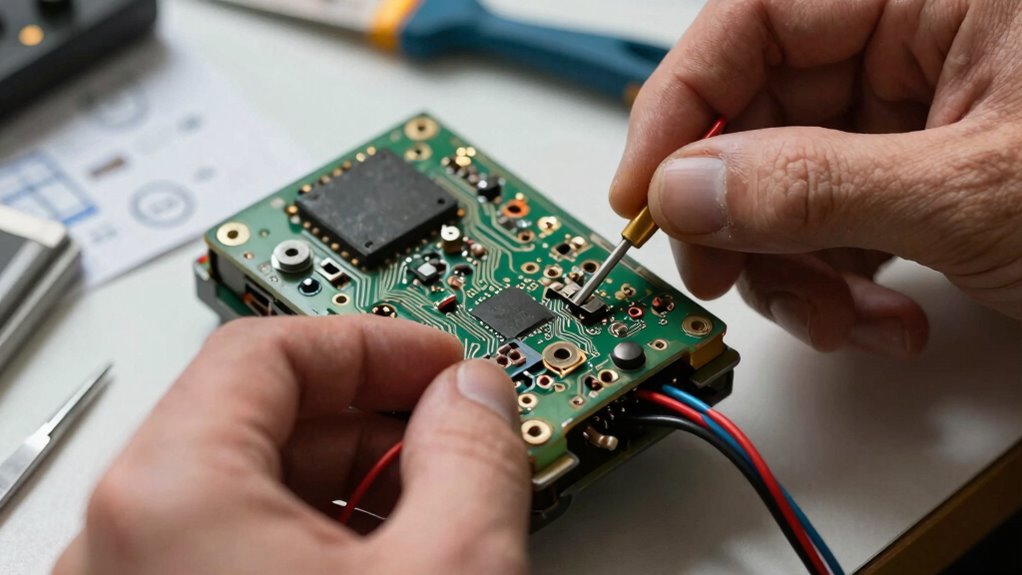
The right-to-repair matters for sustainability because it lets you extend your devices’ lifespan, reducing electronic waste and conserving resources. By repairing instead of discarding, you lower the demand for new manufacturing, which cuts pollution and energy use. It also empowers you to choose eco-friendly options and supports local repair communities. If you want to see how this shift benefits both the environment and your economy, keep exploring the impact further.
Open a free Amazon Business account
Business pricing, bulk buying and tax-exempt orders.
As an affiliate, we earn on qualifying purchases.
Key Takeaways
- Extends product lifespans, reducing electronic waste and resource consumption.
- Encourages repair-friendly designs, minimizing environmental impact of manufacturing.
- Decreases reliance on raw materials and lowers greenhouse gas emissions.
- Promotes local repair economies, supporting sustainable community practices.
- Reduces environmental degradation from mining and energy use associated with new device production.
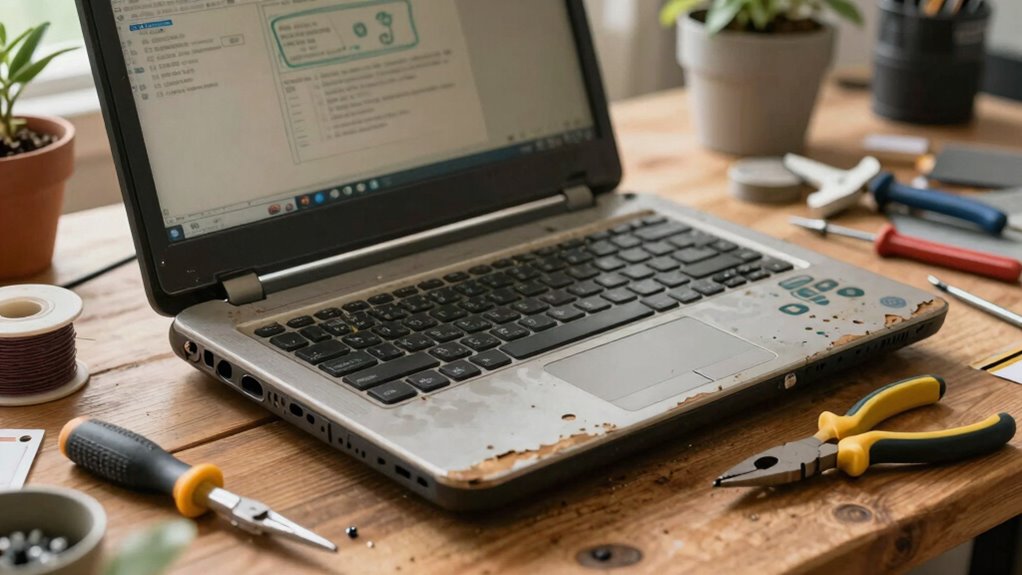
When consumers have the right to repair their devices, it can markedly boost sustainability by reducing electronic waste and extending product lifespans. This shift empowers you to take control over your devices, influencing the entire product lifecycle in a meaningful way. Instead of tossing out a gadget at the first sign of trouble, you can fix it, reuse parts, and prolong its usefulness. This process not only minimizes waste but also lessens the demand for new manufacturing, which consumes resources and generates pollution. By repairing, you’re actively participating in a cycle that keeps electronics out of landfills longer, making a tangible difference for the environment. Additionally, supporting open repair ecosystems can lead to increased innovation and availability of repair information, further empowering consumers.
Consumer empowerment plays a vital role here. When you have access to repair manuals, spare parts, and the legal right to fix your devices, you’re no longer dependent on manufacturers or expensive technicians. This autonomy means you can choose repair options that suit your needs, often at a fraction of the cost of replacement. It shifts the power dynamics in the marketplace, fostering a culture where repair is valued over disposal. As a result, manufacturers are encouraged to design products with easier repairability in mind, further extending the product lifecycle and reducing waste. Promoting repair-friendly designs and standardized repair parts can also make repairs more accessible and affordable for consumers.
Access to repair manuals, parts, and rights empowers consumers to choose affordable, sustainable fixes over disposal.
Longer-lasting products also mean fewer resources are extracted from the earth. Manufacturing new electronics demands significant raw materials—rare minerals, metals, plastics—and energy. When you repair instead of replacing, you cut down on this resource extraction, which in turn reduces environmental degradation, greenhouse gas emissions, and energy consumption associated with production. This cycle of repair and reuse creates a more sustainable approach to technology consumption, aligning with broader environmental goals. Recognizing the importance of repairability standards can help drive industry-wide improvements and sustainability initiatives. Supporting repair ecosystems can also boost the development of environmentally friendly repair practices, further contributing to sustainability and conservation efforts. Building a resilient local repair economy can foster community growth and reduce dependence on global supply chains.
smartphone repair kit with tools
As an affiliate, we earn on qualifying purchases.
As an affiliate, we earn on qualifying purchases.
Frequently Asked Questions
How Does Right-To-Repair Impact Electronic Waste Reduction?
Right-to-repair helps you reduce electronic waste by extending your devices’ lifespan and promoting resource conservation. When you can repair your electronics easily, you avoid discarding them prematurely, which cuts down on waste. This not only minimizes environmental harm but also conserves valuable resources like metals and plastics. By embracing repair, you play an essential role in reducing electronic waste, making your tech usage more sustainable and eco-friendly.
Are There Any Economic Benefits for Consumers From Right-To-Repair?
Yes, you can enjoy significant economic benefits from right-to-repair. It offers you cost savings by enabling affordable repairs instead of costly replacements. Plus, it grants you repair independence, giving you control over your devices and the ability to choose trusted repair shops or do it yourself. This flexibility can extend your device’s lifespan, reduce expenses, and foster a more sustainable, budget-friendly approach to managing your electronics.
How Do Manufacturers Oppose or Support Right-To-Repair Initiatives?
Manufacturers often oppose right-to-repair initiatives due to concerns about intellectual property and potential safety issues, showcasing manufacturer resistance. However, repair advocates push for these laws, arguing they promote sustainability, reduce waste, and empower consumers. Some companies support right-to-repair to enhance their reputation and customer loyalty. Overall, the debate centers on balancing innovation protection with consumers’ rights, with manufacturers mostly resisting and repair advocates championing accessibility.
What Legal Rights Do Consumers Currently Have to Repair Devices?
Back in the day, consumers had more repair rights, but now, your legal rights to repair devices vary. Currently, repair accessibility is limited by manufacturers’ restrictions, often requiring authorized service. However, some regions are empowering you through laws that promote consumer empowerment, allowing you to fix your devices or access repair info. Your rights depend on where you live, but ongoing efforts aim to strengthen these protections and improve repair accessibility.
How Can Small Businesses Benefit From Right-To-Repair Policies?
You can benefit from right-to-repair policies by making repairs more affordable, which lowers your costs and increases profit margins. This also encourages business innovation, as you develop new repair services, extend product lifespans, and build stronger customer loyalty. By embracing these policies, you’re empowered to maintain and upgrade devices independently, giving your small business a competitive edge while promoting sustainability through reduced waste and resource use.
Conclusion
By embracing the Right-to-Repair, you’re opening the door to a more sustainable future—like planting seeds that grow into a greener world. When you choose to repair rather than replace, you’re not just saving money; you’re helping to preserve resources, reduce waste, and fight climate change. Every repair is a small step forward in turning the tide against environmental harm. So, take action today—because your choices can be the spark that ignites lasting change.
Flea & tick season Picks
flea and tick prevention
As an affiliate, we earn on qualifying purchases.