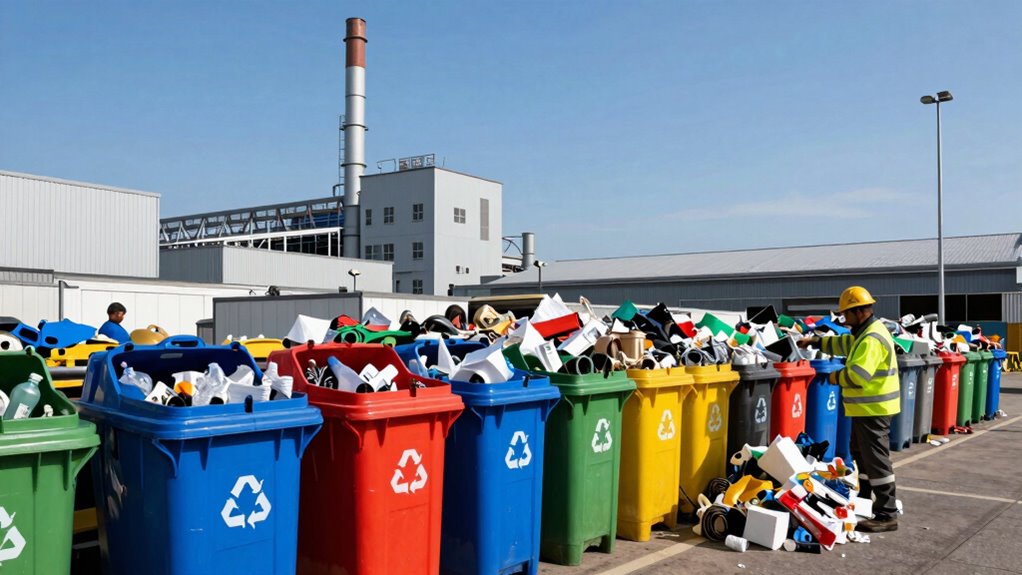
Producer responsibility shifts waste conversations from governments to manufacturers, meaning you now see companies more involved in waste disposal, recycling, and product design. This change encourages producers to create eco-friendly, recyclable products and invest in better recycling infrastructure. It also pushes the focus toward sustainability and innovative waste solutions. As a result, the conversation moves from simply disposing of waste to developing strategic, long-term approaches that benefit the environment—and you’ll discover how these shifts impact everyone involved as you continue exploring.

Get garden gear delivered free — and shop member deals
- Fast, free delivery on millions of items
- Access to Prime Big Deal Days deals on October 6–7
- Prime Video, Amazon Music and more included
Key Takeaways
- Shifting responsibility incentivizes producers to design more sustainable, recyclable products, transforming waste management into a product lifecycle issue.
- It encourages investment in improved recycling infrastructure and innovative waste processing technologies.
- Producer accountability promotes eco-design and reduces packaging, making waste reduction a core product development focus.
- Changes foster strategic sustainability planning, moving conversations from disposal to circular economy initiatives.
- Consumer engagement becomes crucial as producers implement accessible recycling systems and transparent labeling to enhance participation.
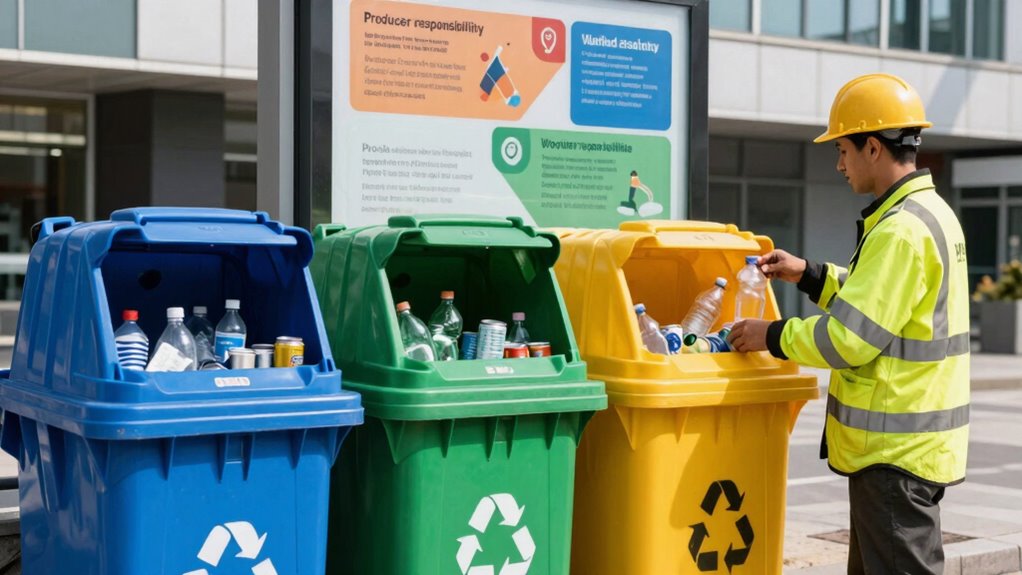
Recent changes to producer responsibility laws are transforming how waste management conversations unfold, shifting the burden of disposal from local governments to manufacturers and producers. This shift isn’t just about assigning blame or responsibility; it’s about fundamentally changing how products are designed, used, and disposed of. As a result, you’ll find that extended producer roles are expanding, requiring companies to take greater accountability for their products throughout their lifecycle. These roles now encompass not only manufacturing but also post-consumer waste collection, recycling, and even reuse strategies. This evolution puts pressure on producers to innovate and develop sustainable solutions that minimize environmental impact and reduce waste. One key aspect of this shift is the increasing emphasis on seed preservation and sustainable material choices, which can contribute to reducing waste at the source.
Producers now hold greater responsibility for product lifecycle, including waste collection, recycling, and sustainable reuse strategies.
The move toward extended producer roles directly influences recycling infrastructure development. When producers are responsible for their products’ end-of-life, they’re motivated to invest in better recycling systems and facilities. You’ll notice more collaborations between companies and local recycling entities, as producers seek to ensure their products are efficiently recovered and repurposed. This development accelerates the creation of a robust recycling infrastructure, which is critical for handling increasing volumes of waste generated by consumer goods. Additionally, the integration of innovative waste management practices can lead to more efficient and environmentally friendly recycling processes. Plus, advancements in sorting technologies are making it easier to separate different materials, further improving recycling efficiency.
Furthermore, expanding producer responsibilities encourages the design of products that are easier to recycle, reuse, or repurpose. You may see more companies adopting eco-design principles, incorporating recyclable materials, and reducing unnecessary packaging. These changes are driven by legal requirements but also by a desire to build brand reputation and consumer trust. As producers bear more responsibility, they’re incentivized to innovate in ways that make waste management more sustainable and economically viable.
The emphasis on recycling infrastructure development also means more investments in advanced sorting, processing plants, and collection systems. As a consumer, you’ll likely notice a more streamlined recycling process, with clearer labeling, better collection points, and more accessible recycling options. These improvements result from the recognition that a well-developed infrastructure is essential to meet the goals of producer responsibility laws and to support circular economy initiatives.
Ultimately, the increased focus on extended producer roles and recycling infrastructure development transforms waste conversations from being solely about waste disposal to a broader, more strategic dialogue on sustainability. It shifts the responsibility from municipalities to the producers who create the waste, prompting them to rethink their product designs and post-consumer strategies. You’re part of this evolving landscape, where your choices and actions can influence how effectively these new systems work and how sustainable our collective future becomes.
As an affiliate, we earn on qualifying purchases.
Frequently Asked Questions
How Do Producer Responsibility Policies Vary Internationally?
You’ll notice that international producer responsibility policies vary widely in their approach to recycling incentives and producer accountability. Some countries require producers to fund waste collection and recycling, encouraging them to design more sustainable products. Others implement strict regulations or deposit return schemes. These differences influence how effectively waste is managed, with some nations emphasizing producer accountability to motivate eco-friendly practices, ultimately shaping diverse waste conversation strategies globally.
What Are the Economic Impacts on Small Producers?
You might find that producer responsibility policies can increase costs for small producers, making cost reduction essential to stay competitive. These policies often require additional investments in recycling or waste management, which can strain limited budgets. However, embracing sustainable practices can boost your market competitiveness by appealing to eco-conscious consumers. While the economic impact is challenging, proactive adaptation can help small producers thrive in a shifting regulatory landscape.
How Do These Changes Influence Consumer Behavior?
You might find your consumer habits shifting as producer responsibility reforms take hold. These changes encourage recycling motivation, making you more conscious of waste and its impact. As companies adopt eco-friendly practices, you may feel more driven to choose sustainable products. It’s a win-win: your actions become more mindful, and waste conversations evolve. Ultimately, these shifts can lead you to develop habits that support a healthier planet, one choice at a time.
Are There Any Legal Challenges to Producer Responsibility Laws?
You might face legal hurdles when dealing with producer responsibility laws, as some companies challenge these regulations in court, arguing they’re unfair or overly burdensome. Compliance costs can also be significant, prompting legal disputes over funding and implementation methods. These challenges often slow down policy adoption and enforcement, making it essential for you to stay informed about current legal landscapes and potential changes that could impact your responsibilities and costs.
How Is Waste Management Infrastructure Affected by These Policies?
Producer responsibility policies directly impact waste management infrastructure by encouraging upgrades to recycling facilities and promoting waste reduction strategies. You’ll notice more investment in advanced recycling technologies and expanded collection systems, making waste processing more efficient. These policies push companies and communities to prioritize eco-friendly practices, leading to a more sustainable infrastructure that handles waste responsibly. As a result, waste management becomes more effective, reducing landfill reliance and supporting environmental goals.
Conclusion
Imagine a future where your choices shape the planet’s health, not just your wallet. Producer responsibility shifts the burden, forcing companies to rethink waste, turning trash into treasure. It’s like planting seeds of change—what once seemed inevitable, like mountains of discarded plastic, transforms into a garden of innovation. By holding producers accountable, you become part of a cycle that renews, recycles, and rebuilds. Together, you can turn the tide on waste, one responsible choice at a time.
Fall Picks
fall essentials
As an affiliate, we earn on qualifying purchases.