Community energy policies shape adoption by giving you a voice in your local energy future and providing incentives like tax credits and grants to lower costs. These policies foster collaboration between residents and governments, encouraging active involvement and tailored solutions. By promoting transparent, accessible programs and showing tangible benefits, they turn you from a passive consumer into a committed participant. To understand how these policies truly transform your community, discover more about the strategies behind successful energy shifts.

Get garden gear delivered free — and shop member deals
- Fast, free delivery on millions of items
- Access to Prime Big Deal Days deals on October 6–7
- Prime Video, Amazon Music and more included
Key Takeaways
- Community energy policies empower local stakeholders to lead renewable energy adoption, fostering a sense of ownership and commitment.
- They provide accessible incentives, reducing financial barriers and encouraging widespread participation in renewable projects.
- Policies facilitate collaboration between governments and residents, aligning efforts to accelerate renewable energy deployment.
- Engagement strategies like public forums and educational programs build trust and motivate community-led energy initiatives.
- Integrating policies with local development plans ensures sustainable growth and long-term commitment to renewable adoption.
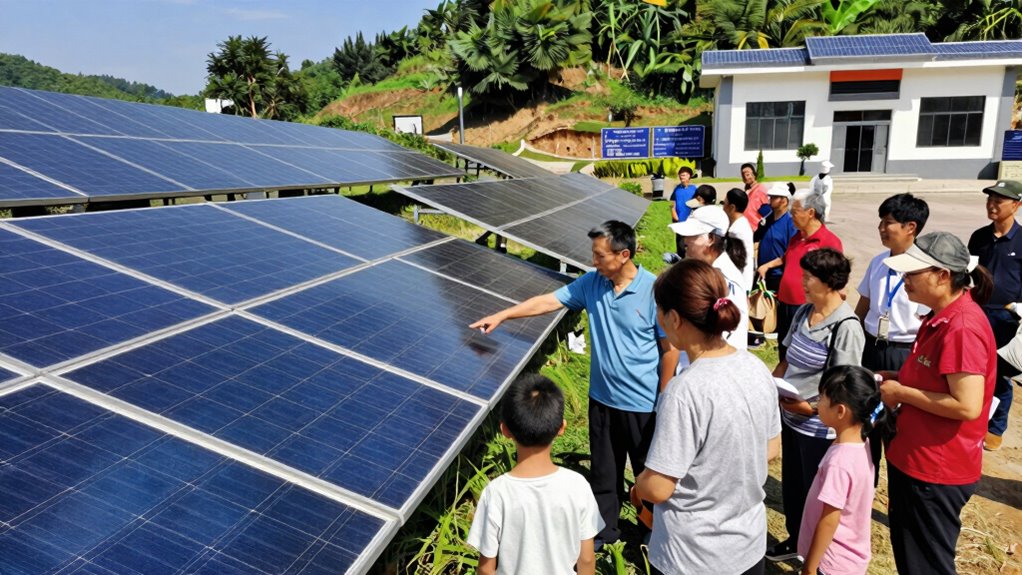
Have you ever wondered how communities can take control of their energy future? Community energy policies are powerful tools that can shape how quickly and effectively renewable energy is adopted. When local governments and residents work together, they create an environment where renewable incentives are more accessible and appealing. These incentives—like tax credits, grants, or reduced utility rates—motivate individuals and organizations to invest in clean energy sources. But the real strength of community energy policies lies in fostering local engagement. When people feel involved and invested in the process, they’re more likely to support and adopt renewable solutions.
By emphasizing local engagement, communities can tailor energy initiatives to meet specific needs and priorities. This approach helps build trust and encourages participation, as residents see the direct benefits of renewable projects in their neighborhoods. For example, community-led solar programs allow residents to collectively invest in solar panels, sharing both the costs and the benefits. Such programs not only lower individual barriers but also create a sense of ownership and pride. This active involvement reinforces the idea that energy shift isn’t just a top-down mandate but a collective effort driven by local stakeholders.
Community-led solar projects foster ownership, trust, and pride through collective investment and local engagement.
Renewable incentives are a critical part of this process, serving as catalysts that lower financial hurdles. When community energy policies include attractive incentives, they enhance the economic feasibility of renewable projects. These incentives can come from government programs, utility companies, or even local crowdfunding efforts. They make renewable options more competitive with traditional energy sources, encouraging wider adoption. Additionally, policies that bundle incentives with educational outreach help demystify renewable technologies, making residents more comfortable and confident about making the switch. Promoting community participation is essential for creating lasting change and ensuring that renewable energy becomes a fundamental part of local resilience. Incorporating educational initiatives can further increase awareness and understanding of renewable benefits among residents.
Effective community energy policies also implement mechanisms to sustain ongoing engagement. Regular public forums, workshops, and collaboration with local organizations keep residents informed and involved. When people see tangible results—like reduced energy bills or improved local air quality—they’re more likely to remain committed. Furthermore, integrating renewable incentives within broader community development plans ensures that energy projects align with local economic growth and sustainability goals. This interconnected approach amplifies the impact of policies and fosters a culture of environmental responsibility. Recognizing the importance of local collaboration can significantly enhance the success of these initiatives by leveraging diverse community strengths. Incorporating policy design that emphasizes transparency and accountability further strengthens community trust and participation.
Ultimately, the way community energy policies are crafted can considerably influence how quickly and widely renewables are adopted. When policies prioritize local engagement and leverage renewable incentives effectively, they turn passive consumers into active participants. This collective effort not only accelerates the energy transition but also builds resilient, empowered communities ready to shape their sustainable future.
solar panel community investment kit
As an affiliate, we earn on qualifying purchases.
As an affiliate, we earn on qualifying purchases.
Frequently Asked Questions
How Do Community Energy Policies Vary Across Different Regions?
You’ll notice regional differences in community energy policies because policy frameworks vary based on local priorities and resources. In some regions, policies favor renewable energy investments with supportive incentives, while others focus on community-led initiatives or stricter regulations. These variations shape how quickly and easily communities adopt energy projects, reflecting each area’s unique economic, environmental, and political landscape. This diversity influences the overall success and growth of community energy initiatives nationwide.
What Are the Economic Benefits of Community Energy Initiatives?
They say, “A rising tide lifts all boats,” and community energy initiatives prove this true. You benefit from economic incentives like lower energy costs and grants, making projects more affordable. Additionally, these initiatives create local jobs, boosting your community’s economy. By supporting these policies, you help foster economic growth, reduce energy expenses, and promote sustainable development—turning shared energy efforts into tangible, community-wide benefits.
How Can Communities Effectively Advocate for Supportive Energy Policies?
You can effectively advocate for supportive energy policies by fostering strong community engagement and building relationships with local policymakers. Share your concerns and success stories to demonstrate the benefits of community energy initiatives. Organize public forums, participate in policy consultations, and collaborate with advocacy groups. Your active involvement and persistent policy advocacy will help influence decision-makers, ensuring energy policies align with community needs and promote sustainable energy adoption.
What Challenges Hinder the Implementation of Community Energy Projects?
Imagine building a bridge across a turbulent river—that’s what implementing community energy projects feels like. You face challenges like grid integration, which can be complex, and funding challenges that limit resources. These obstacles hinder progress and slow down deployment. To succeed, you must navigate technical hurdles and secure consistent support, transforming the turbulent waters into a steady flow that powers your community sustainably.
How Does Policy Influence Long-Term Sustainability of Community Energy?
Policy incentives directly influence the long-term sustainability of community energy by encouraging continued investment and innovation. When policies promote stakeholder engagement, you foster stronger community support and collaboration, which are essential for resilience. These incentives and engaged stakeholders create a stable foundation, ensuring projects remain viable and adaptable over time. Ultimately, well-designed policies motivate ongoing participation, helping community energy initiatives thrive sustainably in the long run.
Conclusion
You now see how community energy policies can truly transform local landscapes and lives. Did you know that areas with strong community energy initiatives see a 30% increase in renewable adoption compared to regions without such policies? By supporting these policies, you’re not just promoting cleaner energy but also empowering your community and securing a sustainable future. Your involvement can make a real difference—because when communities lead, change happens faster and more lasting.
Fall yard work Picks
leaf blowers
As an affiliate, we earn on qualifying purchases.