
TL;DR

Get garden gear delivered free with Prime
- Fast, free delivery on millions of items
- Prime Video, Amazon Music and more included
- Member-only deals all year
Jakarta’s quarantine agency has begun increased supervision of high-quality planting materials in West Java. This measure aims to ensure plant health and prevent pest spread, responding to rising demand for superior planting stock.
Jakarta’s quarantine agency has initiated intensified supervision of superior planting material in West Java, aiming to ensure plant quality and prevent pest outbreaks. This move is part of broader efforts to safeguard Indonesia’s agricultural and horticultural sectors amid increasing demand for high-quality planting stock.
The Indonesian Quarantine Agency announced that it has increased inspection and supervision activities targeting high-grade planting materials in West Java, a key region for plant cultivation and export. The agency’s focus is to verify the health, genetic purity, and pest-free status of these materials before they are distributed or exported.
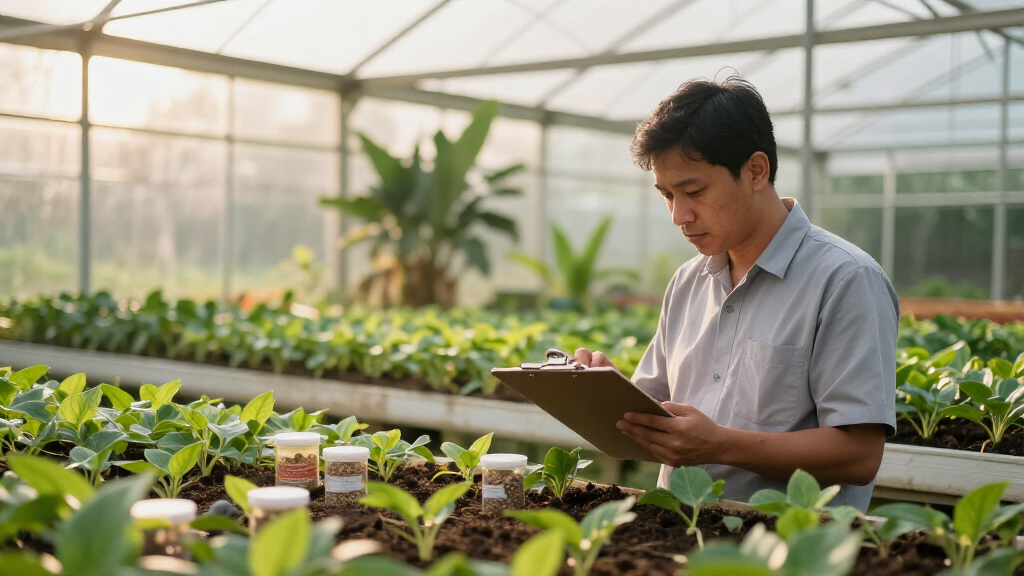
According to sources within the agency, the initiative involves stricter quarantine procedures at entry and transit points, including thorough sampling, laboratory testing, and on-site inspections. Officials emphasized that these measures are designed to prevent the spread of pests and diseases that could threaten local agriculture and biodiversity.
While the agency has not disclosed specific statistics, it confirmed that several shipments of planting material have been detained for further testing since the program’s start. The move follows a rise in demand for superior planting stock, driven by commercial growers and export markets, which has raised concerns about quality control and biosecurity risks.
Local farmers and industry stakeholders have largely welcomed the initiative, seeing it as a necessary step to maintain Indonesia’s reputation for high-quality plant products. However, some have expressed concerns about potential delays and increased costs associated with the enhanced supervision.
Implications for Indonesia’s Agricultural Biosecurity
This intensified quarantine supervision is significant because it directly impacts the quality assurance processes for planting materials in Indonesia, especially in West Java. Ensuring the health and genetic integrity of superior planting stock helps prevent pest outbreaks and plant diseases that could devastate local crops and exports.
It also reflects a broader effort by Indonesian authorities to align with international biosecurity standards, which is crucial for maintaining access to global markets. The initiative could set a precedent for stricter biosecurity measures across other regions, potentially boosting Indonesia’s reputation as a producer of high-quality, pest-free plant materials.
For local farmers and exporters, these measures could translate into increased trust from international buyers, supporting economic growth in the horticultural sector. Conversely, the added inspection procedures might temporarily slow down supply chains, impacting market availability and prices.
As an affiliate, we earn on qualifying purchases.
Background on Quarantine Measures and Plant Trade in West Java
West Java is a vital hub for Indonesia’s agricultural and horticultural industries, producing a significant share of the country’s planting materials used domestically and for export. Over recent years, demand for superior plant varieties—such as high-yield fruit trees, ornamental plants, and nursery stock—has surged due to expanding commercial farming and landscaping projects.
The Indonesian Quarantine Agency has long maintained protocols to prevent pests and diseases from entering the country via imported and domestically transported plant materials. However, recent developments indicate a shift toward more rigorous supervision, likely in response to increased trade activity and biosecurity concerns.
In 2023, Indonesia faced several pest outbreaks linked to imported planting stock, prompting authorities to review and tighten quarantine procedures. The current initiative in West Java appears to be part of this ongoing effort to strengthen biosecurity and ensure the quality of planting materials circulating in the region.
While the exact scope and scale of the new supervision are still being detailed, industry observers note that this marks a significant step toward more stringent control measures in Indonesia’s plant trade sector.
Details on Scope and Duration of Supervision Still Unclear
It remains unclear how long the intensified supervision will last or the full scope of the measures. The exact number of shipments detained and the specific regions targeted beyond West Java have not been publicly disclosed. Additionally, the impact on market supply and costs is still being assessed.
Officials have indicated that the program is ongoing but have not provided a definitive timeline or detailed operational guidelines, leaving some uncertainty about future developments.
Monitoring and Evaluation of Quarantine Effectiveness
The Indonesian Quarantine Agency is expected to continue monitoring the effectiveness of these measures over the coming months. Authorities will likely evaluate the impact on plant quality, pest prevention, and trade flow, adjusting protocols as necessary. Industry stakeholders are awaiting further updates on the program’s scope and any potential expansion to other regions.
Additionally, the agency may publish reports or data on the results of these inspections, providing transparency and guidance for growers and exporters.
Key Questions
What types of planting materials are targeted by the quarantine supervision?
The supervision primarily targets high-quality, superior planting stocks such as fruit trees, ornamental plants, and nursery stock used for commercial cultivation and export.
Will this supervision delay the supply of planting materials?
Potential delays are possible due to increased inspections, but officials aim to minimize disruptions while maintaining biosecurity standards.
How does this initiative impact Indonesia’s export market?
By ensuring pest-free, high-quality planting materials, the initiative could enhance Indonesia’s reputation internationally, supporting export growth and market access.
Are these measures temporary or permanent?
Officials have indicated that the measures are ongoing, with evaluations to determine if further adjustments or expansions are needed.
What prompted the Indonesian government to increase quarantine supervision now?
The rise in demand for superior planting material and recent pest outbreaks linked to imported stock prompted the government to strengthen biosecurity measures.
Source: local
Halloween Picks
halloween
As an affiliate, we earn on qualifying purchases.