
TL;DR

Get garden gear delivered free with Prime
- Fast, free delivery on millions of items
- Prime Video, Amazon Music and more included
- Member-only deals all year
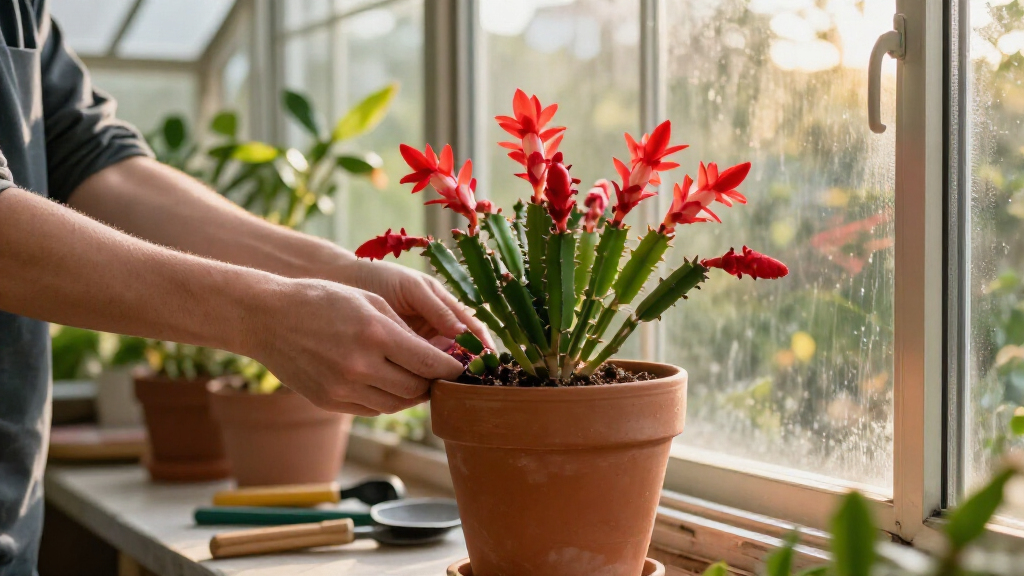
A Country Living gardening report says Christmas cacti are more likely to set buds when they receive 12 to 14 hours of uninterrupted darkness each night for about six weeks in early fall, along with cooler nights. Once buds appear, steady light, temperature and watering help reduce the risk of bud drop.
A Country Living gardening report says Christmas cactus owners can encourage flowering by giving the plant 12 to 14 hours of uninterrupted darkness each night for about six weeks in early fall, while keeping it cool, as explained in this guide to preparing a Christmas cactus for blooms. The guidance matters to people whose plants have not set buds and emphasizes that care should remain steady once buds appear, when abrupt changes can lead to bud drop.
The report identifies holiday cacti in the genus Schlumbergera as tropical plants native to the shady forests of Brazil; knowing whether yours is a Thanksgiving or Christmas cactus can help guide its care. Unlike desert cacti, they do well in bright, indirect light and need more regular watering. For bud setting, the report recommends starting in early fall and protecting the plant from light at night. A closet can provide darkness; alternatively, owners can cover the plant in the evening and uncover it in the morning. Streetlamps and other artificial light may interrupt the dark period.
During the bud-setting period, the suggested temperatures are about 55 to 60°F at night and 65 to 70°F during the day. A cool room, garage or protected porch may work, but the plant should not be exposed to frost, cold drafts or sudden temperature changes. The report says to water thoroughly when the top inch of potting mix feels dry, let excess water drain and avoid leaving the pot standing in water; choosing an appropriate Christmas cactus fertilizer can also support healthy growth. Soil should not be allowed to dry out completely.
After buds form, move the plant to its intended display spot and keep conditions consistent. The report advises avoiding heating vents, fireplaces and drafty doors, as well as repeated moves or abrupt shifts in light and temperature. A bright position out of direct afternoon sun is recommended; a little morning sun may be acceptable, while strong direct light can scorch the stems.
Care After Buds Form
The main practical point is that bud setting and bud keeping require different attention. In fall, extended darkness and cooler temperatures can help trigger flowering. After buds appear, the report shifts the focus to stability: moving the plant repeatedly or exposing it to sudden changes may cause buds to drop before they open.
This distinction can help owners avoid responding to a budded plant by making several changes at once. Instead, the guidance calls for a suitable bright location, protection from direct afternoon sun and drafts, and watering based on soil dryness. The report offers general care advice, not a guarantee that every plant will bloom on a particular schedule.
Popular right now

Samsung 65-Inch QN70FA Neo QLED 4K Smart TV with 8-Foot WireLogic Ruby Ultra High Speed HDMI Cable (2025)

Dreame G10 Pro Wet-Dry Vacuum Mop

Bose QuietComfort Headphones (2nd Gen), Wireless Over-Ear Noise-Cancelling Headphones, Eucalyptus Green
As an affiliate, we earn on qualifying purchases.
Holiday Cactus Timing and Types
The name Christmas cactus may refer to a plant that is actually a Thanksgiving cactus, according to the report; the latter often blooms earlier. Both are holiday cacti in the genus Schlumbergera, and the article says the steps for encouraging flowers are much the same. The distinction can help explain why plants sold under similar names may flower at different times.
The care routine described is tied to the plant’s seasonal response to shorter days and longer nights. The report recommends beginning the dark period in early fall and continuing it for six weeks. It does not give a specific calendar date, since timing will depend on when a grower starts the routine and on local indoor conditions.
“Give your plant about 12 to 14 hours of darkness each night for six weeks.”
— Country Living gardening report
Bloom Timing Varies by Plant
The report gives general temperature and darkness ranges but does not specify how quickly an individual plant should form buds or bloom. It also does not establish that the routine will work in every home; results may depend on the plant’s existing condition and its exposure to light and temperature. The article notes that a plant labeled a Christmas cactus may instead be a Thanksgiving cactus, which often blooms earlier, but does not provide enough detail here to identify every plant by appearance.
For a plant that has not bloomed, the report names light at night and warm fall temperatures as common reasons it may not set buds. It does not diagnose a particular plant. If buds are already present, its advice is to maintain consistent light, temperature and watering rather than restarting the dark-period routine.
Begin the Routine in Early Fall
Owners hoping for holiday blooms can start the six-week dark-and-cool routine in early fall, keep the plant in bright, indirect light during the day and check that artificial light does not reach it at night. Night temperatures should remain in the recommended range without exposing the plant to frost or cold drafts.
Once buds appear, place the cactus where it is meant to flower and avoid sudden changes. Check the top inch of soil before watering, drain excess water and keep the plant away from heat sources. The report does not give a set bloom date; the next visible milestone is whether the plant forms buds under those conditions.
Key Questions
How long should a Christmas cactus be in darkness?
The Country Living report recommends 12 to 14 hours of uninterrupted darkness each night for six weeks, beginning in early fall. Keep it in bright, indirect light during the day.
What temperatures can encourage buds?
The suggested range during bud setting is about 55 to 60°F at night and 65 to 70°F during the day. Avoid frost, cold drafts and sudden temperature swings.
How should I water a Christmas cactus?
Water thoroughly when the top inch of potting mix feels dry, then let excess water drain. Do not leave the pot sitting in water, and do not let the plant dry out completely.
Why are the buds falling off?
The report says repeated moves or abrupt changes in light and temperature can cause buds to drop. Keep the plant away from heating vents, fireplaces and drafty doors once buds form.
Could my Christmas cactus be a Thanksgiving cactus?
Yes. The report says plants sold as Christmas cacti may actually be Thanksgiving cacti, which often bloom earlier. The recommended steps for encouraging flowering are much the same for both.
Source: countryliving.com