TL;DR

Get garden gear delivered free with Prime
- Fast, free delivery on millions of items
- Prime Video, Amazon Music and more included
- Member-only deals all year
A Homes & Gardens gardening report advises checking soil drainage before planting spring bulbs in fall. Bulbs in waterlogged ground can rot over winter; a simple hole test can help gardeners choose a better-drained site, amend soil, or use raised beds and containers. The report does not establish that every bulb planted in October will fail in wet soil.
A Homes & Gardens report on fall bulb planting warns gardeners to check drainage before putting spring bulbs in the ground, because bulbs left in waterlogged soil can rot over winter rather than flower in spring. The report recommends a simple drainage test and suggests improving the soil or planting in raised beds or pots where ground conditions remain too wet.
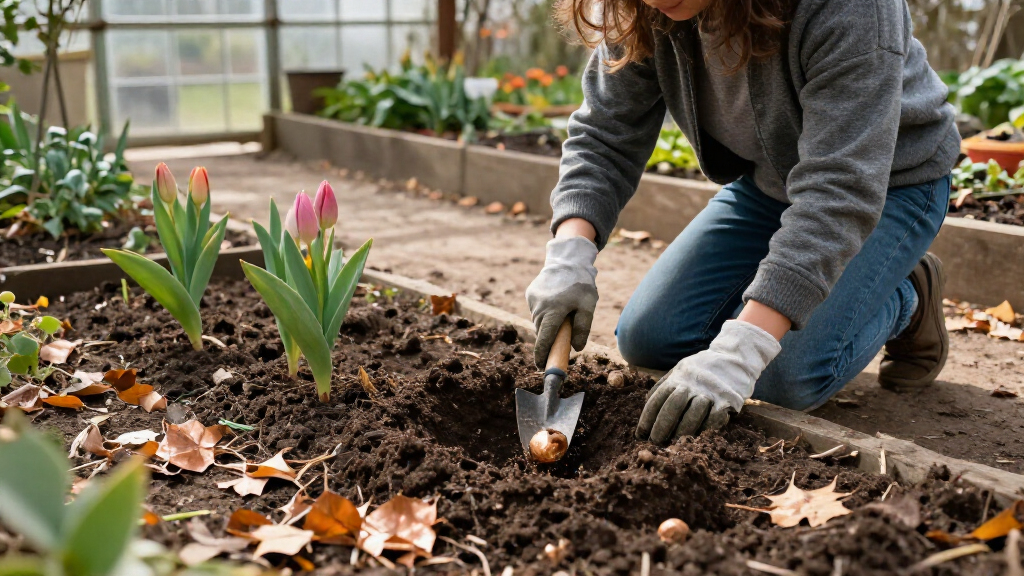
Many spring-flowering bulbs, including snowdrops, hyacinths, daffodils and alliums, can be planted in fall. The report says bulbs need some moisture to begin rooting, but soil that stays saturated can deprive them of oxygen and create conditions in which they rot. Rainfall may be enough to provide moisture in many areas; gardeners in drier regions may need to water after planting, while avoiding persistently wet soil.
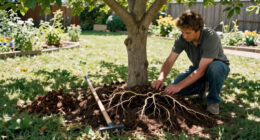
To check a planting site, dig a hole about 12 inches deep and 8 to 12 inches wide, fill it with water, and check whether water remains an hour later. Damon Tang, founder of US Grow Zones, advises choosing a better-drained location, using a raised bed, or working compost into the soil if water is still standing at that point. The test is presented as a practical guide, not a guarantee of how every site will behave through winter.
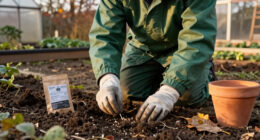
For heavier soil, the report recommends incorporating compost, well-rotted manure or leaf mold to improve soil structure. It says this work should be done at least a week before planting and may need to be repeated annually as organic matter breaks down. If ground drainage remains unsuitable, gardeners can use raised beds filled with topsoil and compost or plant bulbs in containers with a well-draining potting mix.
Drainage Can Shape Spring Blooms
The advice matters because bulbs planted in fall spend winter underground, when gardeners may not see problems developing. If soil remains saturated, bulbs can rot before they have a chance to produce shoots, leaving gaps in a planned spring display. Testing the soil first may help gardeners avoid spending time and money on bulbs that are poorly matched to the planting site.
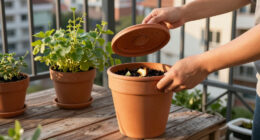
The report’s guidance also offers alternatives to abandoning bulb planting. Raised beds and containers give gardeners more control over the growing medium and drainage, which can be useful in gardens with dense clay or persistently wet ground. These methods do not remove the need for drainage: pots should have holes at the bottom, and the report advises raising them slightly so they do not sit in standing water.
Popular right now

Bose QuietComfort Wireless Bluetooth Headphones with Active Noise Cancellation, Mic, USB‑C Charging, Deep Bass, 24‑Hour Battery – White Smok

Samsung 48-Inch S90H OLED 4K Smart TV (2026)

Ninja Foodi 10-Quart DualZone 6-in-1 Air Fryer, Black, DZ302
As an affiliate, we earn on qualifying purchases.
Fall Planting and Wet Soil
October is described as a prime month for planting many spring bulbs, though the right timing can vary with local conditions. The report notes that fall and winter rain can leave some garden soils waterlogged. It identifies clay as a particular challenge because its dense particles can drain slowly, making it harder to grow many bulbs directly in the ground.
Garden expert Lindsey Chastain says bulbs store moisture and nutrients in their fleshy tissue and that this tissue can rot when waterlogged. She also points to the lack of oxygen in saturated soil as part of the problem. Chastain says she plants bulbs in raised beds or pots where her own clay soil does not drain well. Her experience illustrates one approach; it does not establish that all clay soils or all bulb varieties will behave identically.
“If water still stands in a planting hole an hour after you fill it, choose a better-drained spot, plant in a raised bed, or work in compost to loosen the soil.”
— Damon Tang, founder of US Grow Zones, as quoted by Homes & Gardens
Local Soil Conditions Still Matter
The report does not specify a single planting date that suits every region, nor does it provide a measured failure rate for bulbs planted in poorly draining soil. The hole test offers an indication of drainage at one site and time; it cannot establish how much rain the ground will receive later in fall and winter. Local climate, soil and planting conditions can differ, so the report’s recommendations should not be read as a guarantee of flowering or failure.
It also does not identify particular bulb varieties as exceptions to the drainage advice. The central warning is about persistent waterlogging, rather than ordinary moisture needed for roots to establish.
Test the Site Before Planting
Gardeners planning fall planting can start by testing the intended bed before buying or planting bulbs. If water remains in the test hole after an hour, the report suggests choosing a better-drained spot, improving the soil with organic matter, or switching to a raised bed or container. Any compost or other amendment should be incorporated at least a week before planting, according to the report.
For pots, check that the container has drainage holes and keep it slightly raised so excess water can escape. The report does not provide a region-by-region planting calendar, so gardeners should also check timing guidance suited to their local conditions before planting.
Key Questions
What is the main fall bulb-planting mistake?
Planting bulbs where soil stays waterlogged can increase the risk of rot over winter, according to the Homes & Gardens report.
How can I test whether my soil drains well?
Dig a hole about 12 inches deep and 8 to 12 inches wide, fill it with water, and check after an hour. If water is still standing, consider a better-drained site, a raised bed, or improving the soil.
Can I plant bulbs in clay soil?
The report says clay can drain slowly and may be difficult for many bulbs. Gardeners can try improving the soil with organic matter or use raised beds or containers if the ground remains too wet.
Can spring bulbs grow in pots?
Yes. The report lists tulips, daffodils, hyacinths and alliums among bulbs that can be grown in containers. Use a well-draining potting mix, a pot with drainage holes, and raise the container slightly so it does not sit in water.
Source: homesandgardens.com