TL;DR

Get garden gear delivered free with Prime
- Fast, free delivery on millions of items
- Prime Video, Amazon Music and more included
- Member-only deals all year
Gardening Know How recommends sowing seven types of flower seeds in November to take advantage of winter conditions and, in some regions, get earlier spring blooms. The report says the right method depends on local climate: some seeds can go directly into garden beds, while colder regions may need indoor or container sowing.
Gardening Know How has published a guide to seven flower seeds that gardeners can sow in November for possible early blooms next year, recommending different planting methods according to climate. The advice centers on using cold-season conditions to support seed dormancy or growth, but it does not guarantee that every garden will see flowers earlier: results depend on local weather, hardiness zone and sowing technique.
The report says some annual and perennial flower seeds benefit from cold stratification, a period of cold and moisture that can help break seed dormancy. In nature, seeds may fall in late autumn and experience winter conditions before germinating as spring arrives. The report presents November sowing as a way to follow that cycle and give some plants time to establish roots before spring.
The guide identifies sweet peas and California poppies among its seven flower seed picks. It recommends direct-sowing sweet peas in mild-winter regions, while gardeners in colder areas can start them in deep containers kept in a sheltered, unheated space. Sweet pea seeds have hard coats; the report suggests nicking them or soaking them before planting. California poppies should be sown where they are meant to grow because their taproots are sensitive to disturbance. The report advises sowing them in sunny, well-drained spots in mild-winter regions.
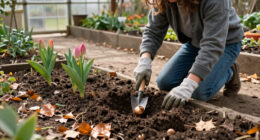
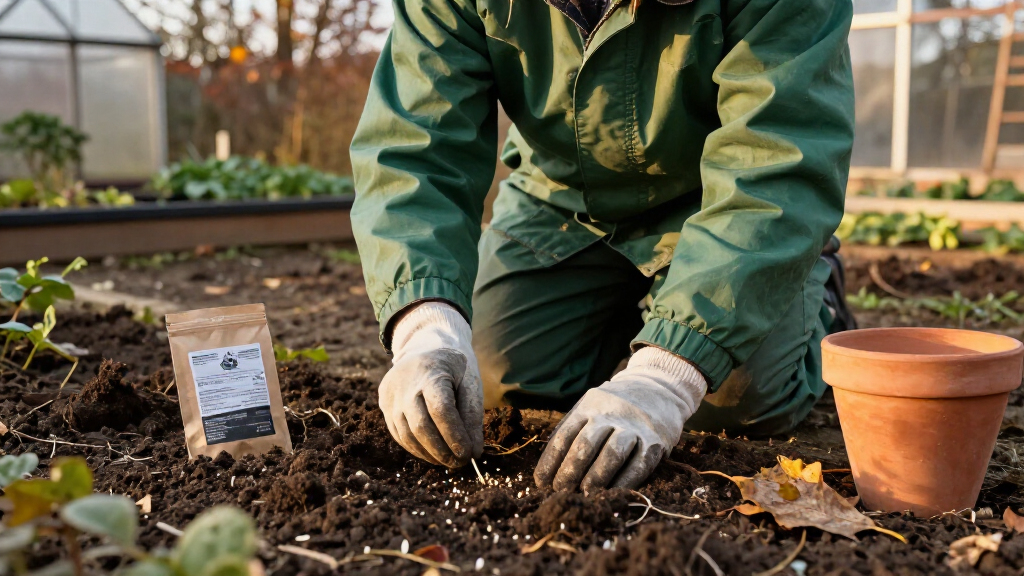
Before sowing, the article advises gardeners to check soil temperature, clear weeds and heavy leaf cover, and follow seed-packet directions on depth. Fine seeds may need light to germinate, while larger seeds may be planted deeper. It also recommends watering gently, labeling beds, and protecting exposed seedbeds with breathable covers or clean straw where needed.
Choosing a November Sowing Method
The advice matters because sowing at the wrong time or in unsuitable conditions can reduce germination or expose seeds and seedlings to damaging weather. A gardener in a mild climate may be able to sow directly outdoors, while someone facing prolonged freezes or unpredictable thaws may need a different approach. Matching the method to local conditions is central to the report’s guidance.
November sowing may also spread gardening work beyond the spring rush and give suitable seeds time to experience winter conditions. The report says early sowing can lead to stronger roots and earlier flowering, but those are potential outcomes, not guaranteed results. Seed variety, soil, moisture, temperature and local growing conditions all affect what happens.
Popular right now

Bose QuietComfort Wireless Bluetooth Headphones with Active Noise Cancellation, Mic, USB‑C Charging, Deep Bass, 24‑Hour Battery – White Smok

Ninja Foodi 10-Quart DualZone 6-in-1 Air Fryer, Black, DZ302

Vitamix Propel Series 510 Professional-Grade Blender, 3 Programs, Black
As an affiliate, we earn on qualifying purchases.
Cold Stratification and Local Climate
Cold stratification describes exposure to cold, moist conditions that can help some seeds become ready to germinate. The report says this process occurs naturally when seeds fall to the ground in autumn and remain through winter. Not every flower seed has the same needs, so gardeners should check individual seed instructions rather than assume that all varieties benefit from November sowing.
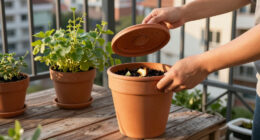
The article outlines several approaches: direct fall sowing in milder areas, dormant sowing outdoors once soil is cold enough to prevent immediate germination, and winter sowing in outdoor containers placed in a protected location. It cites USDA hardiness zones as a guide, but also stresses that local weather and soil conditions matter. The source describes zones 7–10 as generally milder and zones 3–6 as colder for these examples; those ranges are guidance, not a substitute for checking conditions at the planting site.
Bloom Timing Is Not Guaranteed
The supplied report names seven flower types in its headline, but the source excerpt provided here gives detailed planting instructions only for sweet peas and California poppies; it cuts off during the poppy instructions. The other five selections and their specific recommendations cannot be verified from the supplied material and are not listed here.
The report’s claims about stronger plants or blooms arriving ahead of spring-sown counterparts are not accompanied in the supplied material by trial data, a defined comparison group or a measured time window. Exact bloom dates and germination rates remain uncertain, and may vary with the seed variety, winter weather, soil and care.
Check Seed Labels Before Sowing
Gardeners considering November planting should first check the seed packet for sowing depth, light requirements and any cold-treatment instructions, then compare those directions with current local soil and weather conditions. The report recommends preparing a weed-free bed, sowing at the specified depth and keeping the soil moist but not waterlogged.
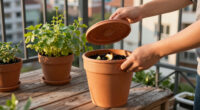
For seeds that should not be exposed directly to severe weather, containers in a protected outdoor area may offer another option. As the season progresses, gardeners can watch for germination and adjust protection as needed. The next practical milestone is spring growth; the timing and extent of flowering will depend on conditions over the winter and the care each planting receives.
Key Questions
Which flower seeds does the supplied report describe?
The supplied excerpt gives planting guidance for sweet peas and California poppies. Although the headline refers to seven flowers, the remaining five are not identified in the material provided.
Can I sow these seeds directly outdoors in November?
That depends on the flower and local climate. The report recommends direct sowing sweet peas and California poppies in some mild-winter areas, while colder regions may need containers or a protected sowing method. Check seed instructions and local conditions before planting.
What is cold stratification?
It is a period of cold, moist conditions that can help certain seeds break dormancy and germinate when conditions become favorable. The report says some flower seeds naturally experience this process over winter.
Will November sowing make flowers bloom earlier?
The report says November sowing may support earlier blooms for suitable seeds, but it does not guarantee a particular bloom date. Weather, soil, variety and care all affect the outcome.
Source: gardeningknowhow.com