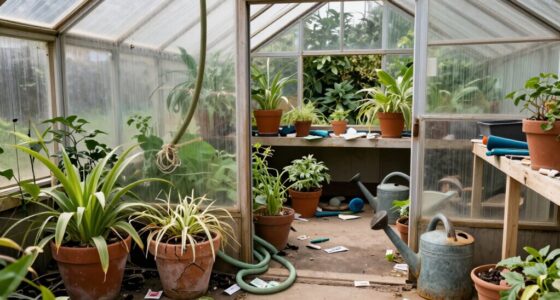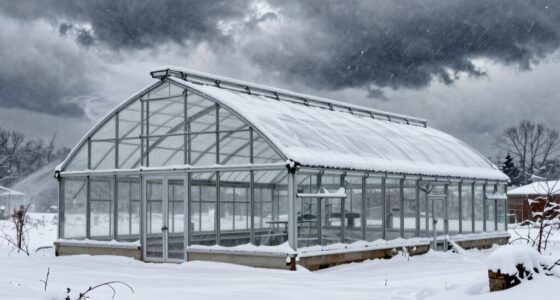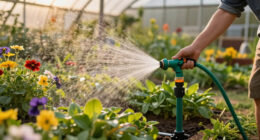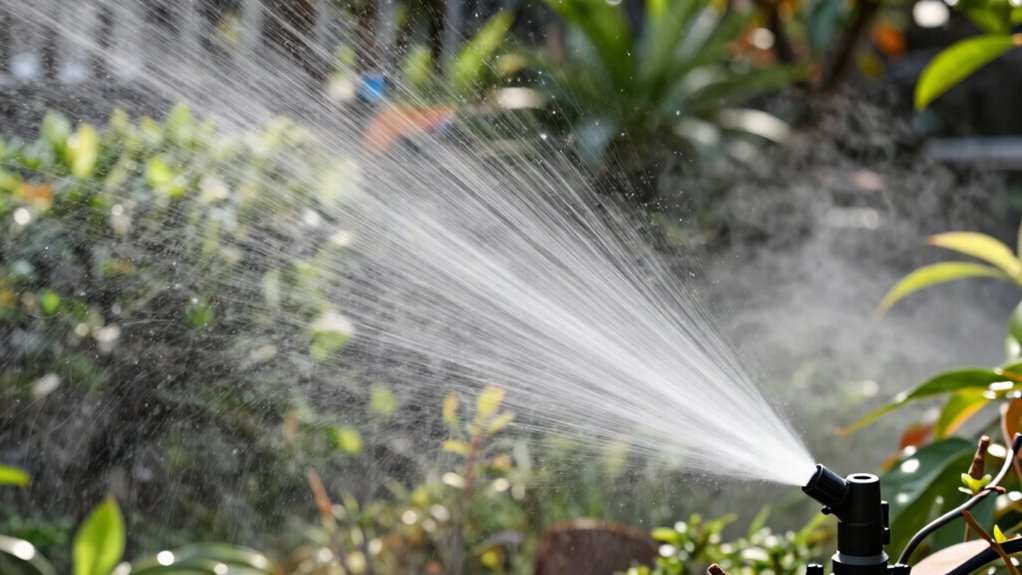

Misting and fogging systems differ mainly in their purpose and how they disperse water. Misting systems release tiny droplets that evaporate quickly, providing short-term cooling and humidity, ideal for outdoor comfort or agricultural uses. Fogging systems produce denser, longer-lasting fog suited for disinfection, pest control, or creating microclimates. If you want to understand how to choose the right system for your needs, exploring the details can help you make an informed decision.

Get garden gear delivered free — and shop member deals
- Fast, free delivery on millions of items
- Access to Prime Big Deal Days deals on October 6–7
- Prime Video, Amazon Music and more included
Key Takeaways
- Misting produces fine, quick-evaporating droplets for short-term cooling and humidity, while fogging creates denser, longer-lasting fog for disinfection or pest control.
- Misting systems are suitable for urban cooling and crop humidity, whereas fogging systems are used for sterilization, pest control, and microclimate formation.
- Misting disperses small droplets that evaporate rapidly, offering immediate effects; fogging generates dense fog with prolonged environmental impact.
- Misting requires less water and is effective for quick relief; fogging involves more water and creates persistent fog for extended purposes.
- Controlling fog density and duration is essential for both systems to achieve desired environmental outcomes.
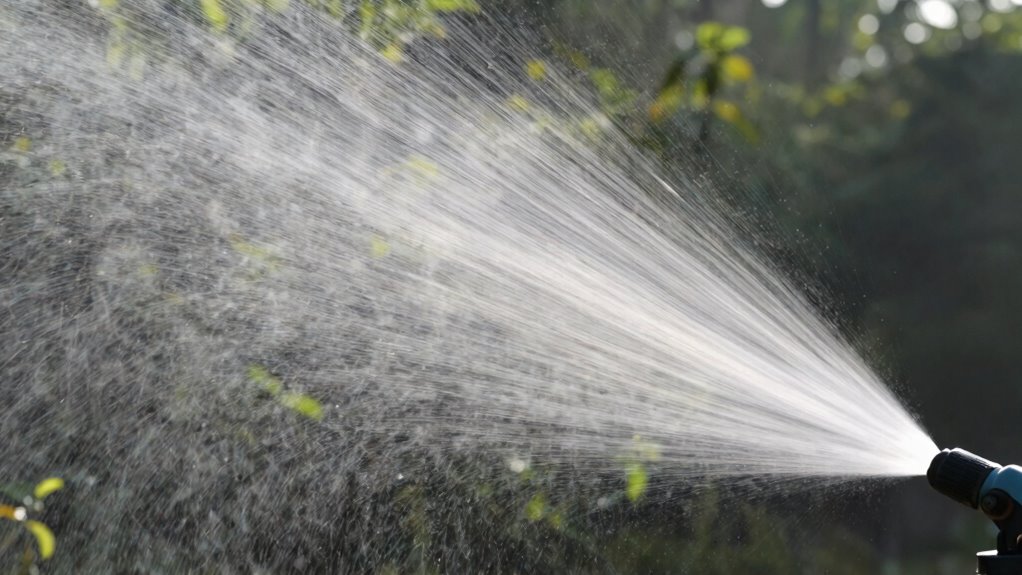
Have you ever wondered how misting and fogging systems can transform outdoor spaces or industrial environments? These systems are essential tools for managing temperature and humidity, but they operate quite differently in practice. Misting systems are designed to produce fine, quick-drying droplets that elevate urban cooling efforts. When installed in public parks, outdoor patios, or city plazas, misting creates a refreshing environment by reducing air temperature through rapid evaporation. As you walk through a city square, you might notice how misting helps combat the heat, making outdoor areas more comfortable on hot days. This rapid evaporation process is especially effective for urban cooling, as it lowers ambient temperatures without adding excessive moisture to the air.
In agricultural settings, misting systems are crucial for maintaining ideal humidity levels, which directly impact crop health and productivity. They deliver a controlled amount of moisture into the air, increasing agricultural humidity in a way that supports plant growth and prevents dehydration during dry spells. Unlike fogging, which produces a dense, persistent fog, misting systems generate a fine, dispersed spray that gently boosts humidity without creating overly damp conditions. This precision is essential in agriculture because it helps maintain the right microclimate around crops, reducing stress and encouraging healthy development. When you set up a misting system in a greenhouse or orchard, you’re effectively providing a consistent environment that promotes plant resilience. Understanding how air quality is influenced by humidity levels can be key to optimizing growth conditions. Additionally, the environmental impact of each system should be considered to ensure sustainable practices. Proper management of these systems can also help minimize water waste, promoting more sustainable use of resources.
The key difference in practice lies in how each system distributes water and the resulting environmental effects. Misting systems are typically used for short-term cooling or humidity boosts, with droplets that quickly evaporate, making them suitable for urban cooling and crop irrigation. Fogging systems, on the other hand, produce a more substantial fog that persists longer, which is useful for pest control, sterilization, or creating a specific microclimate in industrial environments or large outdoor events. When you operate a fogging system, you’re creating a dense environment that can serve different purposes, like fogging for disinfection or humidity control over larger areas. The control of fog density and duration is critical for achieving desired outcomes efficiently. Essentially, misting offers fast, cooling relief, while fogging creates a more sustained, controlled environment—each tailored to specific needs in practice. Recognizing the different environmental effects of each system helps in selecting the right one for your application.
outdoor misting system for cooling
As an affiliate, we earn on qualifying purchases.
As an affiliate, we earn on qualifying purchases.
Frequently Asked Questions
How Do Misting and Fogging Systems Impact Indoor Air Quality?
Misting and fogging systems can improve indoor air quality by aiding air purification and humidity control. You might notice cleaner air as these systems reduce airborne bacteria and dust particles. They also help maintain ideal humidity levels, preventing mold growth and respiratory issues. However, if not properly managed, excess moisture can promote mold, so it’s crucial to monitor humidity and ensure the systems are used correctly for a healthier indoor environment.
What Maintenance Is Required for Misting Versus Fogging Systems?
You need to regularly check and clean your misting and fogging systems to guarantee durability and efficient operation. For misting systems, inspect nozzles and replace any clogged or damaged components. Fogging systems require occasional component replacement, like filters or pumps, to prevent clogs and maintain performance. Both systems benefit from scheduled maintenance to extend lifespan, reduce breakdowns, and keep the systems functioning smoothly.
Are Misting and Fogging Systems Energy-Efficient?
Did you know misting and fogging systems can save up to 30% on energy costs? They’re quite energy-efficient because they use less water and power while cooling effectively. This not only leads to significant energy savings but also enhances system longevity, as reduced strain on components prevents early wear and tear. By choosing these systems, you’re investing in long-term efficiency and durability, making them smart options for your cooling needs.
Can These Systems Be Customized for Specific Environments?
Yes, misting and fogging systems can be customized for specific environments. You can tailor their settings, nozzles, and coverage to suit various needs, guaranteeing ideal environmental adaptability. Whether you’re cooling a greenhouse, controlling pests, or creating ambiance, these systems offer flexible customization options. This adaptability helps you achieve precise control, enhances efficiency, and ensures the system works seamlessly within your unique environment.
What Safety Precautions Should Be Taken During Operation?
During operation, you should prioritize safety by wearing proper protective gear and guaranteeing adequate ventilation. Be aware of chemical hazards, including potential inhalation or skin contact, and handle chemicals carefully. It’s essential to have thorough operator training so you understand the system’s operation and safety protocols. Regularly inspect equipment, follow manufacturer instructions, and keep emergency procedures accessible to prevent accidents and ensure safe, effective use of misting and fogging systems.
Conclusion
In summary, mastering the main differences between misting and fogging systems makes your decision more manageable. Whether you prefer the precise, powerful punch of misting or the gentle, pervasive reach of fogging, understanding their distinct dynamics ensures you choose the right system for your space. By balancing benefits and boundaries, you’ll breeze through your buy-in with confidence. Ultimately, with the right system, you’ll enjoy ideal outdoor or indoor comfort, creating a cool, calm climate you can comfortably cherish.
Fall yard work Picks
leaf blowers
As an affiliate, we earn on qualifying purchases.