TL;DR

Get garden gear delivered free — and shop member deals
- Fast, free delivery on millions of items
- Access to Prime Big Deal Days deals on October 6–7
- Prime Video, Amazon Music and more included
Interest in accessible gardening ideas is rising as more people seek ways to make gardening easier and inclusive. Experts highlight seven practical ideas that can help gardeners of all abilities enjoy gardening more comfortably.
Search interest in accessible gardening ideas has surged, with experts emphasizing seven practical strategies that simplify gardening tasks for people of all ages and abilities. This trend highlights a growing desire for inclusive outdoor spaces that anyone can enjoy, regardless of physical limitations or experience.
According to recent online searches and trend analyses, there is a notable spike in interest around accessible gardening solutions. These ideas aim to reduce physical strain, increase safety, and boost confidence for gardeners with diverse needs. The seven ideas include raised garden beds, ergonomic tools, vertical gardening, container gardening, accessible pathways, adjustable workstations, and adaptive planting techniques.
Experts suggest that these methods can be implemented by both novice and experienced gardeners to enhance comfort and accessibility. For example, raised beds eliminate the need to bend or kneel, while ergonomic tools reduce hand and wrist strain. Vertical gardens maximize space and reduce physical effort, making gardening feasible in limited areas or for those with mobility challenges.
While these ideas are gaining popularity, detailed guidelines on implementation are still emerging, and some adaptations may require customization based on individual needs. The trend is driven by a broader movement toward inclusive outdoor activities and aging-in-place initiatives, but specific product recommendations and design standards are still developing.
Why Accessible Gardening Matters for All
This trend is significant because it promotes inclusivity, allowing more people to enjoy gardening regardless of physical ability or age. It can improve mental health, encourage outdoor activity, and foster community engagement. For older adults or those with disabilities, accessible gardening offers a way to maintain independence and connect with nature. As interest grows, it may influence garden design standards and product development, making accessible gardening tools and setups more widely available.
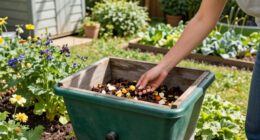
raised garden beds for accessibility
As an affiliate, we earn on qualifying purchases.
As an affiliate, we earn on qualifying purchases.
Growing Popularity of Inclusive Gardening Practices
The interest in accessible gardening is part of a broader societal shift toward inclusivity and health-conscious outdoor activities. Historically, gardening has been seen as physically demanding, often limiting participation for seniors or those with mobility issues. Recent trends, however, show an increasing awareness of adaptive techniques and tools that make gardening more inclusive. This shift aligns with aging populations and a focus on mental well-being through outdoor activity.
While the exact origin of the current spike in interest remains unconfirmed, online searches and social media discussions suggest a rising awareness of practical solutions. The trend is also supported by organizations promoting accessible outdoor spaces and gardening programs for people with disabilities.
Despite the popularity, detailed standards and specific product innovations are still under development, and widespread adoption depends on awareness and affordability.
Unconfirmed Aspects of the Accessibility Trend
It is not yet clear how widespread the adoption of these ideas will become or which specific products and standards will emerge as industry leaders. The exact drivers behind the current spike in interest—such as specific campaigns or policy changes—remain unconfirmed. Additionally, details about cost, availability, and long-term effectiveness of these solutions are still emerging, and some adaptations may require customization that is not yet standardized.
Future Developments in Accessible Gardening
Experts anticipate that more detailed guidelines, product innovations, and community programs focusing on accessible gardening will develop in the coming months. Increased awareness and demand may lead to wider availability of affordable, standardized solutions. Additionally, gardening organizations and local governments might promote inclusive gardening initiatives, further encouraging adoption. Monitoring industry trends and policy developments will be key to understanding how accessible gardening evolves.
Key Questions
What are some easy ways to make my garden more accessible?
Some simple steps include adding raised garden beds, using ergonomic tools, creating accessible pathways, and utilizing vertical or container gardening to reduce physical effort.
Are accessible gardening ideas suitable for small spaces?
Yes, many accessible solutions like vertical gardens and container gardening are ideal for limited spaces and can be adapted to various outdoor areas.
Will accessible gardening solutions be affordable?
While some specialized tools and setups may have upfront costs, many accessible gardening ideas are designed to be cost-effective and easy to implement, with options available at different price points.
How can I learn more about accessible gardening techniques?
Consult local gardening centers, online resources, and organizations promoting inclusive outdoor activities. Many communities also offer workshops and demonstration gardens focused on accessible gardening.
Source: rss
Fall yard work Picks
leaf blowers
As an affiliate, we earn on qualifying purchases.