
When selecting shading strategies and materials, focus on durability, weather resistance, and sustainability. Opt for high-quality fabrics like solution-dyed acrylics that resist fading and mold, and metals like aluminum that resist corrosion. These choices confirm your shading system remains effective and low-maintenance over time. Proper material selection can also improve energy efficiency and lower long-term costs. To discover which options best suit your needs and how they impact your project, keep exploring the details ahead.

Get garden gear delivered free with Prime
- Fast, free delivery on millions of items
- Prime Video, Amazon Music and more included
- Member-only deals all year
Key Takeaways
- Choose durable, weather-resistant materials like treated fabrics and corrosion-resistant metals for long-term shading effectiveness.
- Prioritize high-quality fabrics that resist fading, tearing, and mold to maintain appearance and performance outdoors.
- Select materials that enhance energy efficiency by blocking UV rays and reducing cooling costs.
- Consider sustainability and cost-effectiveness by opting for long-lasting materials that lower maintenance and replacement needs.
- Ensure materials are suitable for specific shading strategies, balancing aesthetic, functional, and environmental requirements.
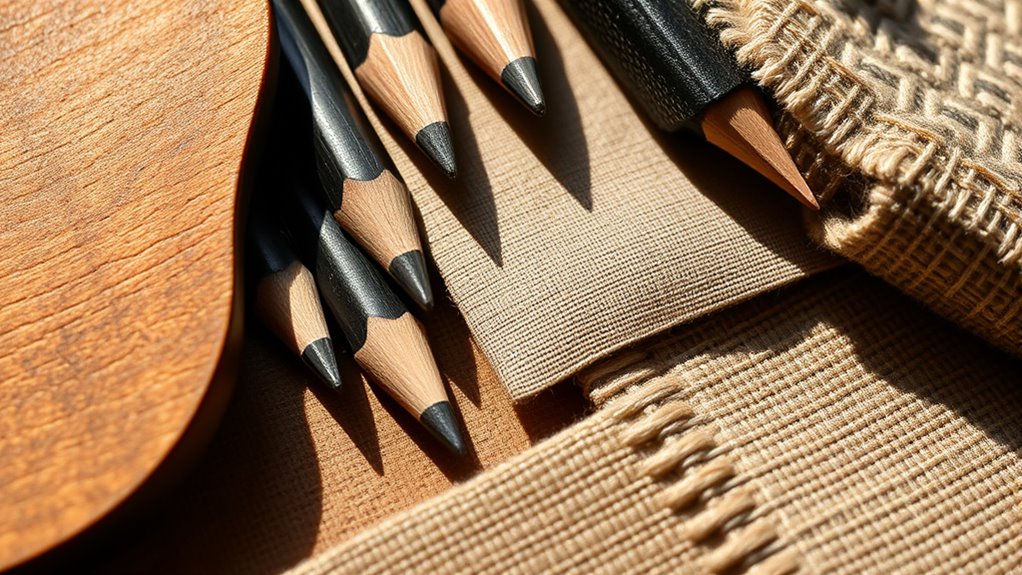
Material durability is equally critical when it comes to shading solutions. The best materials withstand the elements—sun, wind, rain, and pollution—without degrading over time. Durable materials ensure that your shading system remains effective and visually appealing for years, reducing the need for frequent replacements or repairs. For example, high-quality fabrics for outdoor blinds or awnings resist fading, tearing, and mold, maintaining their performance and appearance. Similarly, metal components used in shading devices should resist corrosion, especially if your location experiences harsh weather conditions. Long-lasting materials not only enhance the longevity of your shading investment but also provide consistent performance, ensuring that your space remains comfortable and energy-efficient regardless of seasonal changes. Material longevity is a crucial factor in selecting shading materials, as it directly impacts the sustainability and cost-effectiveness of your shading system. When you consider solar shading, think about how different materials impact both functionality and durability. Materials like aluminum, treated wood, or synthetic fabrics are popular choices because of their ability to withstand environmental stressors. Aluminum, for instance, is lightweight, corrosion-resistant, and easy to maintain, making it ideal for external shading devices. Synthetic fabrics, such as solution-dyed acrylics, offer excellent UV resistance and colorfastness, so they won’t fade or weaken with sun exposure. Choosing high-quality, durable materials means you’re not just installing a temporary fix; you’re investing in a long-term solution that actively enhances your space’s comfort and energy performance.
Frequently Asked Questions
How Do Shading Strategies Vary Across Different Climates?
You’ll find climate-specific shading varies greatly across regions. In hot, sunny areas, you use regional shading techniques like deep overhangs or reflective surfaces to reduce heat gain. In cooler climates, you might favor lighter shading that allows sunlight in for warmth. These strategies adapt to local conditions, helping you maintain comfort while optimizing energy efficiency. Understanding your climate helps you choose the right shading approach for your space.
What Are the Latest Innovative Shading Materials Available?
You can now choose from innovative shading materials like smart glass and photovoltaic shades. Smart glass dynamically adjusts transparency to control sunlight and heat, improving energy efficiency. Photovoltaic shades generate electricity while shading windows, reducing your energy costs. These cutting-edge materials offer versatility, durability, and enhanced environmental benefits, making them ideal for modern buildings. Embrace these advancements to optimize comfort, sustainability, and aesthetics in your spaces.
How Do Shading Choices Impact Energy Efficiency?
Your shading choices directly impact energy efficiency by controlling solar gain and enhancing thermal comfort. Proper shading reduces the heat entering your space, lowering the need for air conditioning and saving energy. It also helps maintain a comfortable temperature indoors, decreasing reliance on cooling systems. By selecting effective shading solutions, you optimize energy use, cut costs, and improve overall comfort, making your building more sustainable and efficient.
Can Shading Materials Be Environmentally Sustainable?
Yes, shading materials can be environmentally sustainable. You can choose eco-friendly shading options made from sustainable materials like recycled wood, bamboo, or biodegradable fabrics. These materials reduce environmental impact and promote sustainability. By selecting eco-friendly shading, you help conserve resources and lower your carbon footprint. It’s an effective way to make your space more environmentally responsible while maintaining effective shading and energy efficiency.
What Maintenance Is Required for Various Shading Materials?
You’ll need to regularly inspect your shading materials to guarantee durability and prevent damage. For durable options like metal or polycarbonate, maintenance mainly involves cleaning and checking for corrosion or cracks, usually every 6 to 12 months. Fabric shades require more frequent upkeep, like cleaning and tightening, roughly every 3 to 6 months. Proper maintenance prolongs lifespan, preserves effectiveness, and keeps your shading systems functioning at their best.
Conclusion
Just as a well-placed shade tree transforms a summer day into a cool retreat, choosing the right shading strategies and materials can turn your space into a sanctuary. By thoughtfully selecting your methods—whether through awnings, louvers, or natural elements—you create a haven that shields you from harsh sunlight and enhances comfort. Remember, like a artist with a brush, your choices shape your environment, turning an ordinary space into a harmonious, protected oasis.
Fall yard work Picks
leaf blowers
As an affiliate, we earn on qualifying purchases.