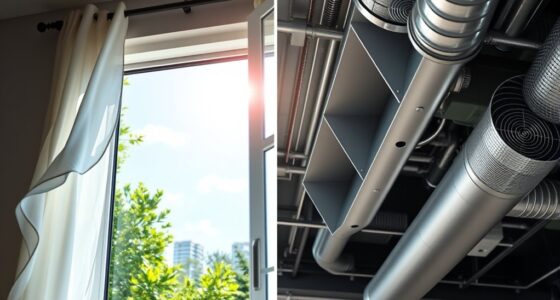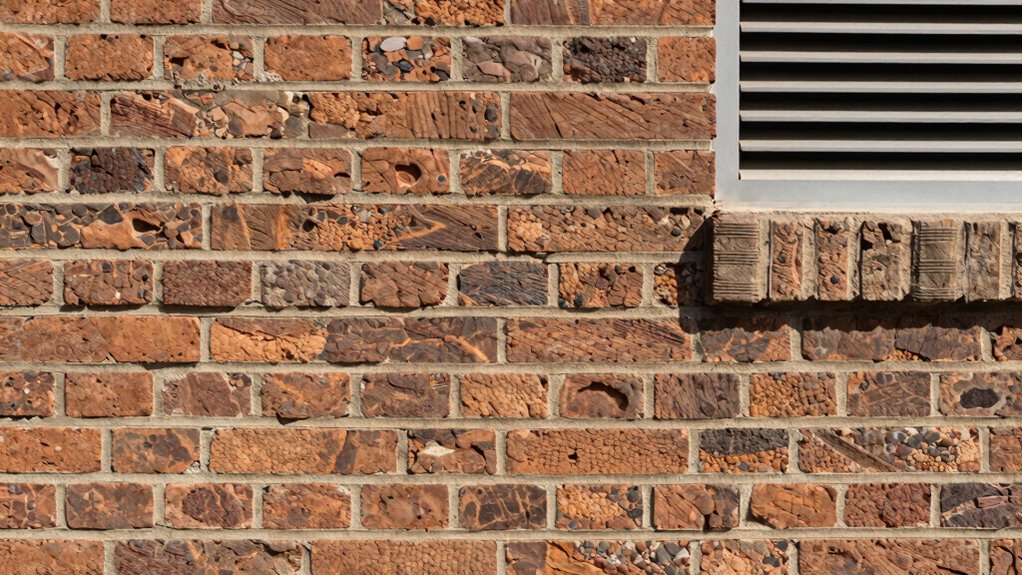

Your climate control starts with the quality of your structure because an airtight, well-insulated building minimizes heat transfer and reduces strain on HVAC systems. Choosing the right materials and moisture-resistant construction guarantees durability and energy efficiency. Proper ventilation maintains air quality and temperature stability, while eco-friendly practices support sustainability. If you want to discover how these factors work together to optimize comfort and efficiency, keep exploring the details that can make a real difference.

Get garden gear delivered free — and shop member deals
- Fast, free delivery on millions of items
- Access to Prime Big Deal Days deals on October 6–7
- Prime Video, Amazon Music and more included
Key Takeaways
- High-quality, airtight, and well-insulated structures prevent external temperature fluctuations, enhancing climate stability indoors.
- Choosing effective insulation materials reduces heat transfer, improving energy efficiency and maintaining consistent indoor temperatures.
- Moisture-resistant building materials protect against mold and structural deterioration, supporting long-term climate control.
- Sustainable construction practices lower the building’s carbon footprint, aligning climate control with environmental goals.
- Proper ventilation within a well-built structure maintains indoor air quality and temperature stability efficiently.
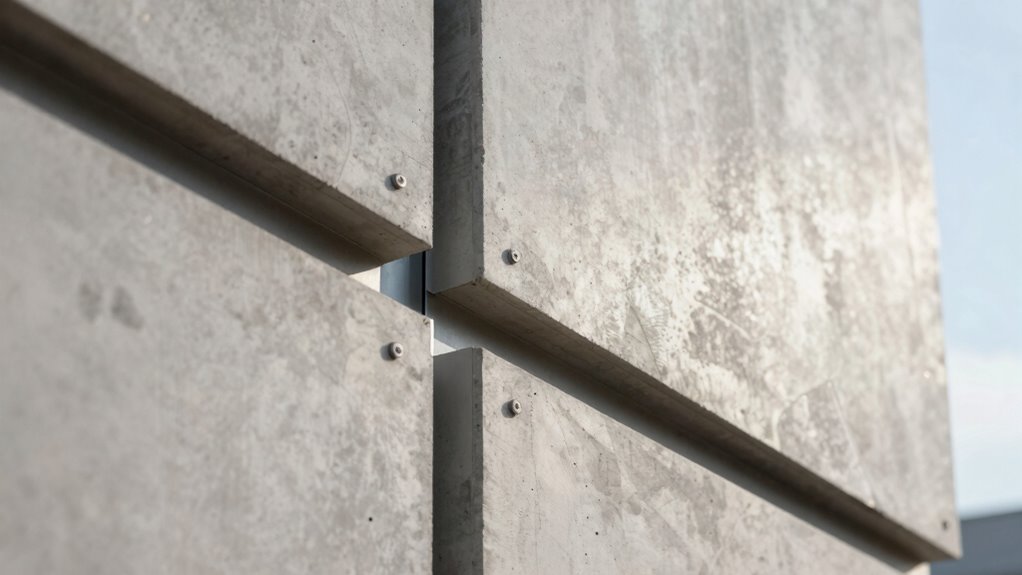
When your structure is airtight and well-insulated, it becomes less susceptible to external temperature fluctuations. This means less strain on your HVAC system and a more stable indoor climate. The key is selecting building materials that optimize insulation efficiency—materials that trap air and prevent heat transfer effectively. For example, modern insulation options like spray foam or rigid foam boards can offer superior thermal performance compared to traditional fiberglass batts. These materials create a more seamless barrier against heat loss or gain, making your climate control efforts more effective and less energy-intensive. Additionally, choosing high-quality building materials that are resistant to moisture infiltration can help prevent mold growth and structural deterioration, further supporting your climate control goals. Incorporating environmentally friendly construction practices can also contribute to reducing your overall carbon footprint. Ensuring proper ventilation also plays a critical role in maintaining indoor air quality and temperature stability. Properly designed structures also help in reducing energy consumption, which is essential for sustainable and cost-effective climate management. Using advanced insulation techniques can further enhance the thermal efficiency of your building, leading to long-term energy savings.
As an affiliate, we earn on qualifying purchases.
Frequently Asked Questions
How Does Structure Quality Impact Energy Efficiency?
Your building’s structure quality directly impacts energy efficiency by providing better thermal insulation and enhancing durability. When the structure is solid and well-constructed, it reduces heat transfer, keeping indoor temperatures stable. This means you’ll use less energy for heating or cooling. High-quality construction also prevents drafts and leaks, making your climate control system more effective, saving you money in the long run, and ensuring your building remains comfortable and durable over time.
What Are Common Structural Issues Affecting Climate Control?
You notice drafts slipping through cracks, revealing structural issues that hinder climate control. Common problems include foundation instability, causing walls to shift and gaps to form, and compromised insulation integrity, letting heat escape or enter. These issues create a shaky barrier against temperature fluctuations, making your space harder to regulate. Addressing foundation stability and ensuring insulation integrity are vital steps to restore a comfortable, energy-efficient environment.
How Often Should Structural Inspections Be Performed?
You should schedule structural inspections at least once every one to two years to maintain foundation health and roof durability. Regular foundation maintenance helps identify early issues like cracks or shifts that could compromise climate control. Additionally, inspecting your roof guarantees it remains sturdy against weather elements, preventing leaks that disrupt climate regulation. Consistent inspections help you catch problems early, keeping your structure strong and your indoor environment comfortable.
Can Poor Structure Quality Cause Indoor Air Quality Problems?
Yes, poor structure quality can cause indoor air quality problems. You might think ventilation challenges are solely about HVAC systems, but structural issues like cracks or leaks let in outdoor pollutants and trap indoor pollutants, worsening air quality. These problems can lead to increased indoor pollutants, making the environment unhealthy. Ensuring your structure is sound helps prevent ventilation challenges and keeps indoor air cleaner and healthier for you.
What Materials Best Improve Structural Resilience Against Climate?
You should choose materials with high durability and insulation effectiveness, like insulated concrete forms or steel framing, to boost structural resilience against climate. These materials withstand extreme weather, resist damage, and maintain insulation over time, which helps regulate indoor temperatures efficiently. By prioritizing durable, well-insulating materials, you guarantee your structure remains resilient, reducing climate-related issues and improving overall comfort and energy efficiency.
Conclusion
Remember, your building is the sturdy tree anchoring your comfort. When the roots—your structure—are strong and sound, the branches—your climate control—reach high and flourish. A solid foundation shields you from the storms outside, ensuring a calm, steady environment inside. By prioritizing quality construction, you set the stage for harmony between your space and nature’s unpredictable dance. In this symphony, your structure is the silent conductor guiding every breath of comfort you take.
Fall yard work Picks
leaf blowers
As an affiliate, we earn on qualifying purchases.