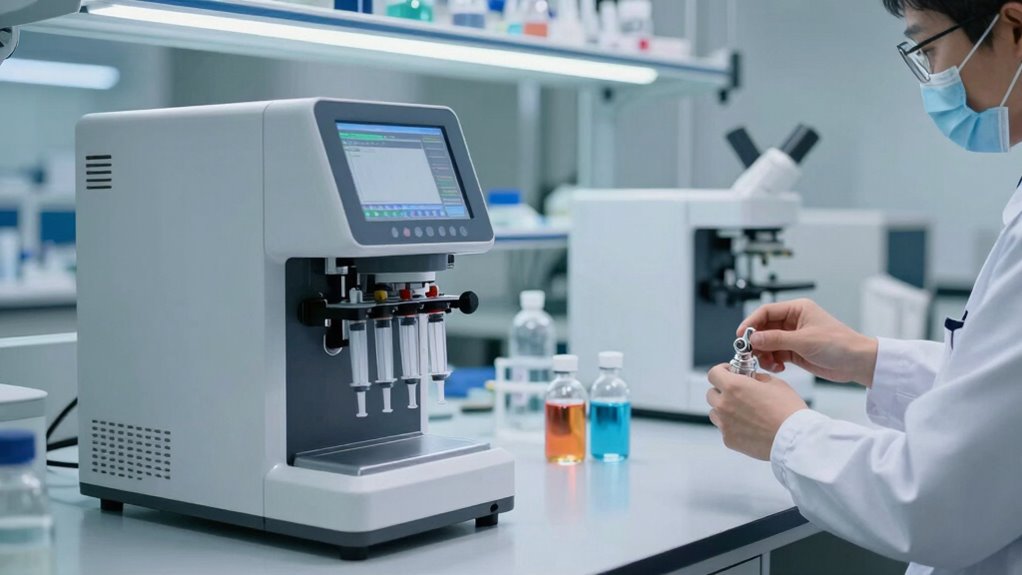

Automated dosing systems boost your precision, efficiency, and consistency in ingredient delivery, reducing manual errors and streamlining operations. They help guarantee your products meet quality standards by maintaining accurate measurements. However, they don’t replace good process design, your understanding of ingredient properties, or manual oversight needed for issues like clogs or flow problems. To optimize your system and prevent issues, you’ll want to explore the details that follow.

Get garden gear delivered free with Prime
- Fast, free delivery on millions of items
- Prime Video, Amazon Music and more included
- Member-only deals all year
Key Takeaways
- Automated dosing improves accuracy, efficiency, and consistency in ingredient measurement, reducing manual errors.
- It requires proper setup, calibration, and maintenance to function effectively and prevent errors.
- Human oversight is essential for troubleshooting, interpreting alarms, and managing environmental influences.
- It does not replace good process design or address issues like clogging, flow variability, or ingredient properties.
- Regular quality control and understanding of system limitations are necessary for optimal operation and product quality.
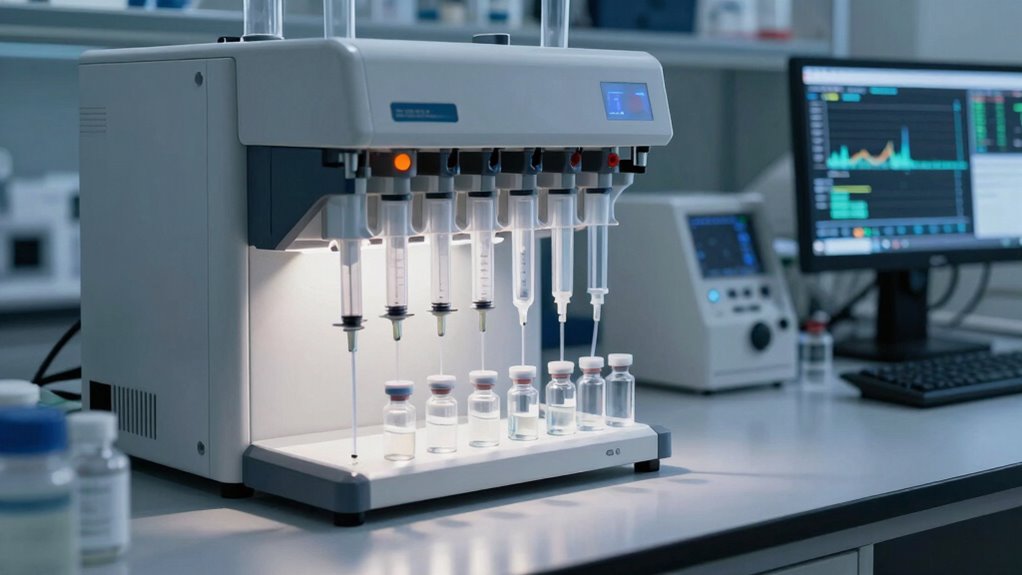
Automated dosing systems have transformed how many industries manage precise ingredient delivery, but they’re not a cure-all. These systems are excellent at reducing manual errors, increasing efficiency, and guaranteeing consistent product quality. However, their effectiveness depends heavily on proper setup and ongoing maintenance. One key factor is sensor calibration. Without accurate calibration, sensors can drift or provide incorrect readings, leading to over- or under-dosing. Regular sensor calibration is essential to maintain system accuracy and prevent costly mistakes. You need to stay vigilant and schedule calibration checks routinely, especially if your system operates in environments with temperature fluctuations or exposure to dust and chemicals.
Another critical aspect is user training. While automated dosing reduces manual intervention, it doesn’t eliminate the need for knowledgeable operators. Proper training ensures you understand how to set up the system correctly, interpret alarm signals, and handle troubleshooting. When operators are well-trained, they can quickly identify calibration issues or sensor malfunctions and take corrective action before errors impact your product. Lack of training, on the other hand, can lead to improper use, missed calibration schedules, or misinterpretation of data, which compromises system performance. Additionally, understanding environmental influences is crucial, as external factors can affect dosing accuracy and sensor performance.
Despite the advantages, automated dosing still doesn’t solve every challenge. It excels at precision but isn’t a substitute for good process design. You still need to understand your ingredients’ properties, flow characteristics, and how environmental factors might influence dosing accuracy. For example, some powders or liquids may clog nozzles or cause inconsistent flow, requiring manual intervention or system adjustments. Furthermore, automation doesn’t eliminate the need for quality control checks. Regular sampling and testing remain essential to verify that the final product meets specifications. Incorporating process understanding can help optimize automation settings and prevent issues before they arise. Moreover, factors such as sensor drift can develop gradually, making routine calibration vital to maintaining accuracy over time.
Additionally, automated dosing systems aren’t immune to technical failures. Mechanical wear and tear, software glitches, or power disruptions can cause interruptions. Having a maintenance plan and backup procedures is critical to minimize downtime. While these systems streamline operations, they don’t replace the importance of human oversight. You need to monitor performance, ensure proper calibration, and keep your team trained on evolving best practices. Ongoing system maintenance and preventative maintenance are essential to maximize the benefits of automation while avoiding pitfalls that could compromise your process or product quality. Regular reviews of system performance and preventative actions can help identify potential issues before they lead to costly failures.
Popular right now

De'Longhi Linea Classic Espresso Machine with Adjustable Milk Frother

Ninja Luxe Café Premier 3-in-1 Espresso Machine, Drip Coffee & Cold Brew

Bose QuietComfort Wireless Noise-Cancelling Over-Ear Headphones, Black
As an affiliate, we earn on qualifying purchases.
Frequently Asked Questions
How Does Automated Dosing Impact Long-Term Water Chemistry Stability?
Automated dosing helps maintain long-term water chemistry stability by consistently adjusting chemical levels, ensuring better chemical balance. However, it requires regular equipment calibration to stay effective, as inaccuracies can lead to imbalanced water chemistry. You need to monitor the system periodically, fine-tune dosing settings, and perform calibration checks to prevent issues, ensuring your water remains stable and healthy over time.
Can Automated Dosing Systems Detect All Types of Water Contaminants?
You might be surprised to learn that automated dosing systems can detect around 80% of common water contaminants. However, they aren’t foolproof; sensor limitations mean they can miss certain pollutants, especially those present in low concentrations or with complex chemical structures. Contaminant detection depends heavily on sensor quality and calibration, so some impurities still slip through, highlighting the need for regular manual testing alongside automated systems.
What Are the Common Maintenance Requirements for Automated Dosing Equipment?
You need to regularly perform chemical calibration and equipment calibration to keep automated dosing equipment functioning properly. Check sensors and pumps frequently, typically weekly or monthly, depending on usage. Replace worn-out parts and clean components to prevent buildup. Keep detailed records of calibration and maintenance activities. This ongoing upkeep guarantees dosing accuracy, minimizes downtime, and prolongs equipment life, helping your system operate smoothly and efficiently.
How Does Automated Dosing Integrate With Existing Pool Management Systems?
You can integrate automated dosing with your existing pool management system through compatible software interfaces, allowing seamless data exchange. While the system handles routine operation, you’ll need to perform manual calibration periodically to guarantee accuracy. User oversight remains essential, especially for troubleshooting and adjustments. This integration streamlines chemical management, reduces manual work, but still relies on your active involvement for calibration and monitoring to keep everything running smoothly.
Are There Limitations to Automated Dosing in Large or Commercial Pools?
Think of automated dosing as a steady heartbeat—reliable but not infallible. In large or commercial pools, its limitations emerge when maintaining perfect chemical balance, especially during heavy usage or fluctuating conditions. Equipment calibration becomes essential; if not precise, the system struggles to respond to the pool’s needs. So, while automated dosing improves efficiency, you still need manual oversight for complex, high-volume pools to guarantee safety and clarity.
Conclusion
While automated dosing can be like having a steady hand guiding your process, it’s not a magic wand. Imagine a ship sailing smoothly with a reliable compass, yet still facing unpredictable storms and hidden rocks beneath the surface. It helps you navigate with confidence, but you still need awareness and skill to steer clear of trouble. Remember, technology’s a tool—powerful, but not a substitute for your judgment and vigilance.