
Proper vent placement is key to maximizing airflow and cooling efficiency, often more than just increasing fan size. When vents are strategically positioned, cool air reaches all parts of the room evenly, preventing warm spots and uneven temperatures. Poor vent placement can cause air to stagnate or escape, making larger fans less effective. By focusing on placement first, you get better results with less energy use. Keep exploring to discover how to improve your ventilation setup even further.

Get garden gear delivered free with Prime
- Fast, free delivery on millions of items
- Prime Video, Amazon Music and more included
- Member-only deals all year
Key Takeaways
- Proper vent placement ensures efficient airflow distribution, reducing the need for larger fans.
- Strategic positioning targets airflow where it’s most needed, enhancing cooling effectiveness.
- Correct vent placement minimizes air leaks and prevents uneven temperature zones.
- Optimized vents work with existing fans, maximizing cooling with less energy.
- Focused vent positioning improves overall comfort more than increasing fan size alone.
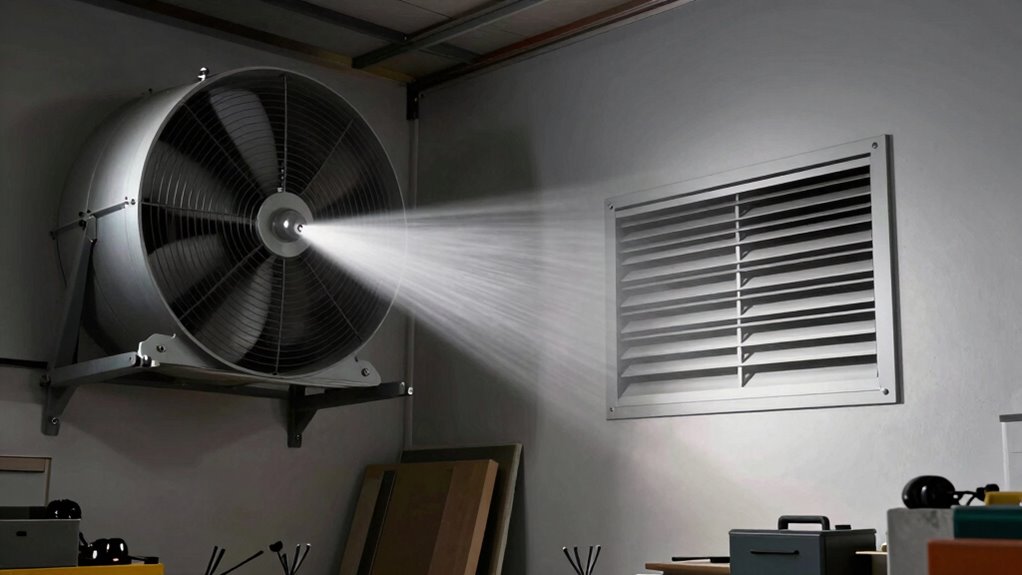
When it comes to cooling a room effectively, many people focus on choosing the largest fan they can find, but the real key lies in where you place your vents. Proper vent placement directly influences airflow efficiency, which determines how well cool air circulates and how quickly the room reaches a comfortable temperature. If vents are poorly located, even the most powerful fan may struggle to distribute air evenly, leading to pockets of warm air and wasted energy. Conversely, strategic placement ensures that cool air reaches every corner of the room, making your cooling efforts more effective and energy-efficient.
Proper vent placement boosts airflow and cooling efficiency, making your fan work smarter, not harder.
Your installation techniques play a crucial role in optimizing vent placement. You want to position vents where they can facilitate smooth airflow, avoiding obstructions like furniture, curtains, or walls that disrupt circulation. High and central placements often work best, especially near heat sources or warm zones, to promote better air mixing. When installing vents, ensure they’re angled properly to direct airflow across the entire space, rather than just pushing air into one spot. This approach enhances airflow efficiency by preventing stagnant air pockets and promoting consistent temperature distribution. Additionally, understanding vent placement and its impact on airflow can significantly improve your cooling results. Employing airflow dynamics principles during installation allows you to design a more balanced and effective ventilation pattern. Properly sealed vents prevent leaks that cause air loss, ensuring that cooled air remains within the room.
It’s also important to consider the room’s layout when planning vent placement. For example, placing vents near windows can help exhaust warm air and draw in cooler air from outside. Similarly, vents positioned near the floor can help circulate cooler air that naturally sinks, while ceiling vents can facilitate the movement of warm air upwards, creating a balanced airflow pattern. Using a combination of floor and ceiling vents, along with properly directed airflow, maximizes the effectiveness of your cooling system without necessarily increasing fan size. Moreover, employing airflow optimization techniques ensures that your cooling system operates at peak efficiency, saving energy and costs. Regular testing and adjustments are essential to refine the setup and achieve the best results.
Your choice of installation techniques should incorporate testing and adjustments. After initial setup, observe how air moves through the space. Small tweaks—such as changing vent angles or repositioning vents—can significantly improve airflow efficiency. Properly sealed vents prevent leaks that cause air loss, ensuring that cooled air remains within the room. Additionally, using fans or oscillators in conjunction with well-placed vents can help distribute air more evenly, further boosting overall cooling performance. Incorporating venting strategies into your setup can also improve airflow circulation and temperature regulation.
In essence, focusing on vent placement and installation techniques yields better results than simply opting for a larger fan. Thoughtful positioning ensures optimal airflow efficiency, reduces energy consumption, and creates a more comfortable environment. When you prioritize strategic vent placement, you’re making the most of your cooling system’s potential, achieving cooler rooms with less effort and cost.
As an affiliate, we earn on qualifying purchases.
Frequently Asked Questions
How Does Room Size Affect Vent Placement?
Room size directly influences vent placement because larger spaces require strategic airflow enhancement to ensure even ventilation. You should position vents to promote ideal airflow patterns, avoiding dead zones where air stagnates. Proper vent placement in proportion to room dimensions helps distribute fresh air efficiently, enhances comfort, and prevents uneven temperature or humidity levels. By considering room size, you maximize ventilation effectiveness and create a healthier, more balanced indoor environment.
Can Incorrect Vent Placement Cause Energy Inefficiency?
Poor vent placement can subtly disrupt your home’s efficiency, leading to less-than-ideal vent airflow and uneven temperature distribution. When vents aren’t positioned correctly, your system works harder to compensate, wasting energy and increasing costs. You might not notice the difference right away, but over time, this inefficiency adds up. Proper vent placement guarantees ideal airflow and consistent temperatures, helping your system run smoothly without unnecessary energy drain.
What Are Common Mistakes in Vent Placement?
A common mistake in vent placement is positioning vents where they can easily become obstructed by furniture or curtains, which hampers airflow. You might also overlook aesthetic considerations, placing vents in less visible spots that compromise the room’s look. These errors reduce efficiency and airflow, making your system work harder. To avoid this, guarantee vents are free from obstructions and positioned thoughtfully to balance functionality with your interior design.
How Does Vent Placement Impact Indoor Air Quality?
You can markedly improve indoor air quality through proper vent placement, which enhances airflow optimization and ventilation design. When vents are strategically located, they promote efficient air circulation, reduce stagnant air, and minimize pollutants. Poor placement can lead to uneven airflow, trapping contaminants, and increasing indoor pollution. By focusing on effective vent placement, you guarantee cleaner, healthier indoor environments and better overall air quality for everyone inside.
Is There a Best Position for Vents in Different Rooms?
The best position for vents varies wildly, but you can’t go wrong by placing ceiling vents near the center of the room for even airflow, and avoiding blocking them with furniture. Window placement also matters—position vents to promote cross-ventilation, creating a breeze that invigorates your space instantly. Proper vent placement maximizes air circulation, making your room feel like a breath of fresh air, no matter its size or shape.
Conclusion
Remember, where you place your vents can make all the difference in comfort and efficiency. A well-positioned vent guarantees proper airflow, saving you energy and money in the long run. Don’t fall into the trap of thinking bigger fans are the answer—sometimes, it’s about working smarter, not harder. When it comes to ventilation, it’s not just the size that counts but the strategic placement that truly moves the needle.
Halloween Picks
halloween
As an affiliate, we earn on qualifying purchases.