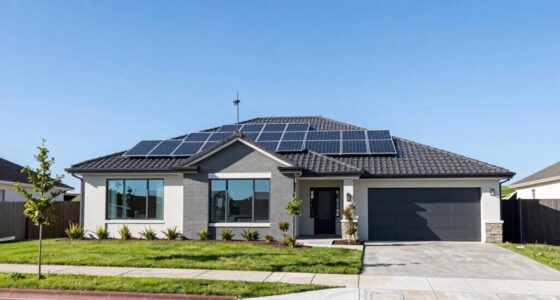
By optimizing the timing of your solar usage and EV charging with better scheduling, you can maximize energy from sunlight during peak hours, reducing reliance on costly grid power. It helps store excess energy for cloudy days and night drives, making your system more efficient and sustainable. Proper scheduling also prevents overloads, lowers costs, and feeds excess power back to the grid for benefits. Keep exploring to discover how this smart approach can transform your energy experience.

Get garden gear delivered free with Prime
- Fast, free delivery on millions of items
- Prime Video, Amazon Music and more included
- Member-only deals all year
Key Takeaways
- Optimizes solar energy use during peak sunlight, reducing dependency on costly grid power.
- Stores excess solar energy for EV charging during cloudy days or at night.
- Balances energy supply and demand, preventing grid overloads and peak charges.
- Timing EV charging with solar peaks and off-peak hours lowers costs and enhances efficiency.
- Integrates smart systems for maximum renewable energy utilization and system reliability.
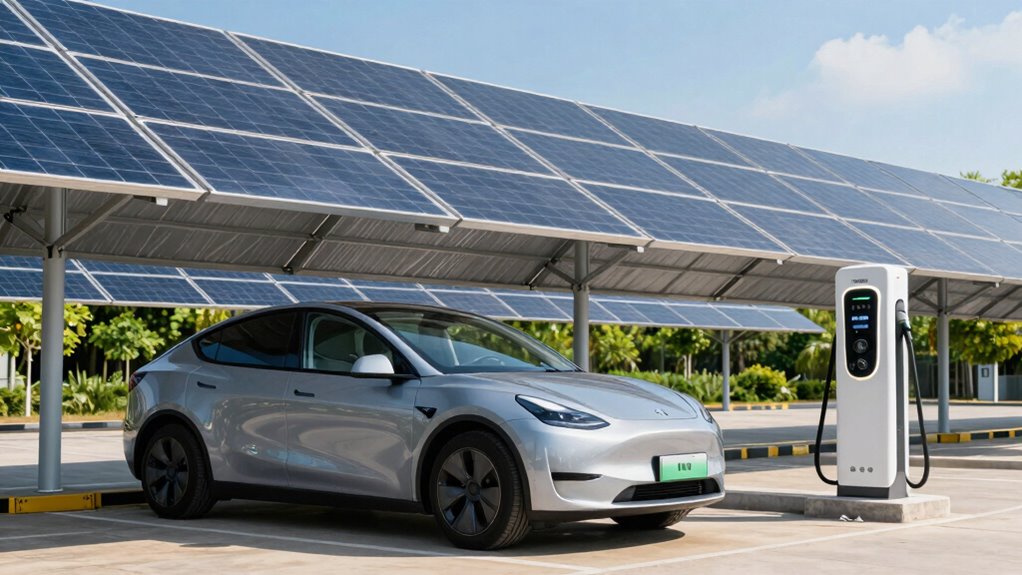
Have you ever wondered how to optimize the use of solar power for charging electric vehicles? The key lies in smart scheduling, which makes the most of your solar energy while maintaining efficient energy storage and seamless grid integration. When you plan your EV charging times carefully, you reduce reliance on the grid during peak hours, lowering costs and environmental impact. Proper scheduling allows you to harness solar energy when it’s abundant, rather than wasting it or sending it back to the grid without purpose.
Energy storage plays a *significant* role here. By storing excess solar power in batteries, you can charge your electric vehicle even when the sun isn’t shining. This not only maximizes the use of your renewable energy but also provides a backup supply during cloudy days or at night. When combined with intelligent scheduling, energy storage ensures that you’re always making the best use of the energy generated, avoiding waste and optimizing your overall system efficiency. Smart energy management systems can help coordinate these components more effectively, enhancing overall system performance. Additionally, investing in advanced energy technology can further improve the efficiency and responsiveness of your system.
Storing excess solar energy boosts EV charging efficiency, cuts costs, and reduces your carbon footprint.
Grid integration is another *essential* aspect of effective solar and EV charging management. When your system is well-scheduled, it interacts smoothly with the local power grid, avoiding overloads and peak demand charges. During periods of high solar output, your system can feed excess energy back into the grid, earning you credits or reducing your overall bills. Proper scheduling also helps to better predict energy needs and adapt to fluctuations, ensuring continuous and reliable EV charging. Conversely, when solar production dips, your system can draw power from the grid or stored energy, ensuring your EV charges reliably without interruption. This balanced approach helps you participate actively in the energy ecosystem, making your home more resilient and sustainable.
Scheduling also allows for better load management, preventing strain on your electrical system and the grid. By timing your EV charges during off-peak hours or when solar energy is at its peak, you reduce stress on the infrastructure and contribute to a more stable energy environment. Smart scheduling systems can automatically adjust based on weather forecasts, energy prices, and your daily routines, creating a tailored approach that maximizes efficiency and cost savings. Incorporating proper energy management strategies can further enhance system performance and savings.
In essence, integrating smarter scheduling with energy storage and grid interaction transforms your solar-powered EV charging system from a simple setup into a highly efficient, environmentally friendly solution. It’s about making smarter choices, leveraging technology, and *guaranteeing* that every bit of solar energy is put to good use—powering your vehicle while supporting a greener grid. When you optimize these elements together, you get a more reliable, cost-effective, and sustainable way to charge your electric vehicle.
As an affiliate, we earn on qualifying purchases.
Frequently Asked Questions
How Does Weather Impact Solar and EV Charging Schedules?
Weather variability and seasonal shifts directly impact your solar and EV charging schedules. Cloudy days reduce solar energy production, making it harder to charge efficiently, while storms can cause power outages. Seasonal shifts mean shorter days in winter and longer ones in summer, affecting sunlight availability. By adjusting your schedule based on weather forecasts, you can optimize solar energy use and guarantee your EV charges reliably, regardless of changing weather conditions.
Can Scheduling Software Integrate With Existing Home Energy Systems?
While it’s often said that integrating technology can be challenging, scheduling software can seamlessly work with your existing home automation and energy monitoring systems. You get to optimize your solar and EV charging routines effortlessly, ensuring efficient energy use. This integration allows you to stay in sync with your energy needs, making your home smarter and more sustainable without added hassle, ultimately helping you save on costs and reduce your environmental footprint.
What Are the Cost Benefits of Optimized Solar and EV Charging?
Optimizing your solar and EV charging saves you money by reducing energy costs and maximizing energy storage. When you schedule charging during peak sunlight hours, you rely less on the grid, boosting your grid independence. This approach minimizes electricity bills and extends your energy system’s lifespan. Plus, efficient scheduling guarantees your stored energy is used effectively, giving you greater control and long-term savings on your energy expenses.
How Do Different EV Models Affect Charging Scheduling?
Imagine your EV as a finely tuned race car, where battery capacity and charging speed determine how quickly and efficiently you can refuel. Different models have varying battery sizes and charging capabilities, influencing your scheduling needs. Larger batteries may require longer charging windows, while faster charging speeds let you top up quickly. Adjusting your schedule to these specifics ensures your car is always ready, maximizing solar energy use and minimizing downtime.
Is There a Risk of Overloading the Electrical System With Scheduled Charging?
Yes, there’s a risk of overloading your electrical system if you don’t schedule charging properly. When you time your EV charging during off-peak hours, you help maintain grid stability and reduce peak demand. Proper scheduling guarantees your system manages the load efficiently, avoiding overloads and potential outages. By coordinating your charging times, you support a more reliable grid while keeping your energy costs lower and your EV charged when needed.
Conclusion
Imagine pulling into your driveway just as the sun dips low, casting golden light on your solar panels and your fully charged EV. When you schedule your charging wisely, it’s like your solar energy and EV work together in perfect harmony, turning a simple coincidence into a seamless, efficient routine. You’re not just saving money—you’re creating a smarter, greener lifestyle where every sunset marks a new opportunity to power up naturally and sustainably.
Fall yard work Picks
leaf blowers
As an affiliate, we earn on qualifying purchases.