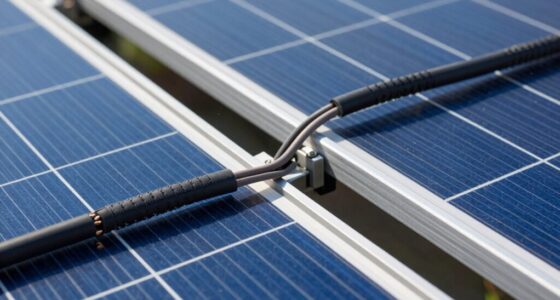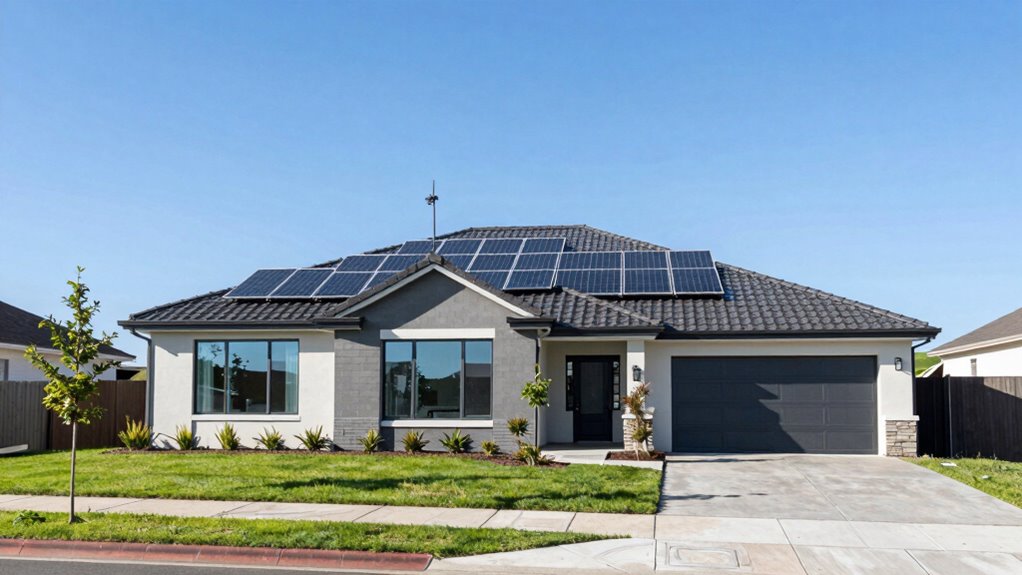

Solar-ready homes are designed to make installing renewable energy simple and efficient. They feature superior insulation, airtight construction, and optimized roof orientations that maximize sun exposure. Pre-wired and pre-plumbed with conduit pathways, these homes are prepared for solar panel integration from the start. Structural elements support future upgrades, reducing costly renovations later. With a focus on sustainability and energy efficiency, solar-ready homes offer long-term cost savings and a smaller carbon footprint—exploring further reveals how they set the stage for seamless solar adoption.

Get garden gear delivered free with Prime
- Fast, free delivery on millions of items
- Prime Video, Amazon Music and more included
- Member-only deals all year
Key Takeaways
- They are built with pre-wired conduits and electrical connections for easy solar system installation.
- Designed with optimal roof orientation, slope, and durable materials for maximum solar efficiency.
- Incorporate high-performance insulation and airtight construction to reduce energy needs and enhance solar benefits.
- Follow building standards that support structural support and safety for future solar panel integration.
- Emphasize a holistic, future-ready design that simplifies upgrades and promotes renewable energy use.
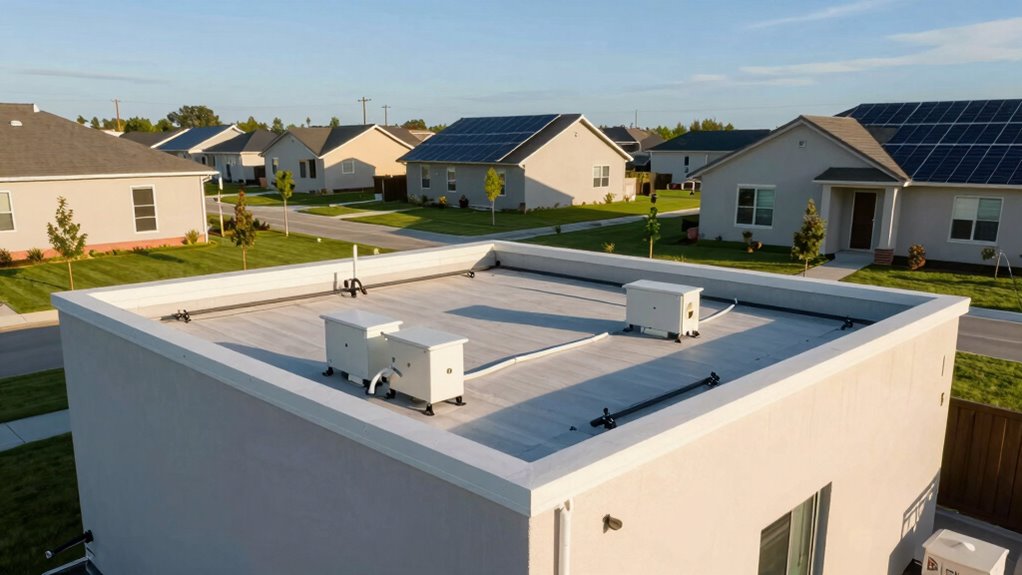
As more homeowners seek sustainable energy solutions, designing and building solar-ready homes makes it easier to adopt solar power in the future. These homes are crafted with features that streamline the installation process and enhance energy efficiency, making switching to solar more straightforward and cost-effective down the line. When you choose a solar-ready home, you’re investing in a structure that already considers the ideal placement and infrastructure needed for solar panels, saving you time and money later.
One key aspect that sets solar-ready homes apart is their focus on energy efficiency. From the outset, these homes are built with superior insulation, high-performance windows, and airtight construction that minimize energy consumption. When your home uses less energy, your solar system doesn’t need to be as large or costly, making the entire changeover more affordable and practical. Energy efficiency isn’t an afterthought; it’s integrated into the design, ensuring your home operates at its best, reducing your reliance on grid power and lowering your overall carbon footprint. Incorporating energy-efficient features during construction further enhances the home’s sustainability and cost savings. Additionally, these homes often incorporate renewable energy compatibility features that make future upgrades seamless. The careful planning involved in these designs also considers building codes and standards that promote safety and efficiency.
The installation process is another critical factor that makes these homes stand out. Solar-ready homes are pre-wired and pre-plumbed with conduit pathways and electrical connections in place, specifically designed to accommodate solar panels and related equipment. This thoughtful planning means that when you’re ready to add solar, the process is less invasive and quicker. You won’t need extensive renovations or tearing apart walls to install the necessary wiring, which can save you thousands of dollars and avoid delays. The structural elements, like roof orientation and slope, are also carefully considered to maximize solar efficiency, ensuring your panels perform at their best for years to come. Incorporating solar infrastructure during construction further enhances the home’s compatibility with renewable energy.
Furthermore, building a solar-ready home often involves choosing durable, high-quality roofing materials that support solar panel installation. The roof’s design considers factors like shading, sun exposure, and load capacity, which are vital for optimal panel performance. This proactive approach ensures that your investment in solar energy is protected and performs efficiently over its lifespan. Additionally, thoughtful site planning can help reduce shading and optimize sun exposure, further boosting solar output.
In essence, what makes solar-ready homes different is their holistic approach. They’re not just about installing panels later but about creating a home that’s inherently compatible with solar energy from the start. By emphasizing energy efficiency, incorporating biodiversity-friendly features, and simplifying the installation process, these homes enable you to change over smoothly into renewable energy use. It’s a smart, forward-thinking choice that saves you money, reduces your environmental impact, and prepares your home for a sustainable future.
solar panel pre-wired conduit kit
As an affiliate, we earn on qualifying purchases.
As an affiliate, we earn on qualifying purchases.
Frequently Asked Questions
How Much Does Installing Solar Panels Typically Cost?
Installing solar panels typically costs between $15,000 and $25,000, depending on your home’s size and energy needs. You should also consider ongoing solar panel maintenance to guarantee efficiency, and investing in solar energy storage to maximize savings. Keep in mind, incentives and tax credits can lower upfront costs. While the initial investment is significant, many homeowners find the long-term energy savings and environmental benefits well worth it.
What Financing Options Are Available for Solar-Ready Homes?
You can explore various financing options for your solar-ready home, including solar loan options that let you pay over time, and leasing programs that require little to no upfront costs. Solar loans often provide competitive interest rates, while leasing programs allow you to enjoy solar benefits without ownership responsibilities. Both options make switching to solar more affordable and accessible, helping you save on energy bills while investing in sustainable energy.
How Long Does It Take to Install Solar Panels?
You might be surprised how quickly solar panels get installed—usually within one to three days, depending on your home’s size and the installation process. During this time, experts carefully set up the system, ensuring ideal solar panel longevity. While the installation is swift, it’s essential to take into account the planning and permitting phase beforehand. Once complete, you’ll enjoy clean energy benefits and a durable system built to last for decades.
Are There Government Incentives for Solar-Ready Homes?
Yes, there are government incentives for solar-ready homes. You can benefit from policies and subsidy programs that reduce installation costs and encourage solar adoption. These incentives vary by location but often include tax credits, rebates, and grants. Taking advantage of these programs makes your solar-ready home more affordable, helping you save money while supporting renewable energy efforts. Be sure to check local regulations and available subsidies to maximize your benefits.
Can Existing Homes Be Easily Upgraded to Be Solar-Ready?
Like a well-oiled machine, your existing home can be upgraded to be solar-ready, but it requires some planning. You’ll need a roof structural assessment to verify it can handle the weight of solar panels and check for solar panel compatibility with your roof’s direction and shading. While upgrades are possible, a professional inspection helps identify necessary modifications, making the shift smoother and more efficient.
Conclusion
A solar-ready home isn’t just about saving on energy bills; it’s about embracing a sustainable future. While traditional homes wait for upgrades, solar-ready homes proactively prepare for change, blending convenience with conscience. You’re not just investing in your property, but in the planet’s health. It’s a quiet revolution—where readiness meets responsibility—making your home a beacon of innovation and eco-awareness. In this way, being solar-ready transforms more than just your roof; it reshapes your mindset.
Columbus Day / Indigenous Peoples' Day Picks
long weekend sales
As an affiliate, we earn on qualifying purchases.