
Better water planning helps you create a more resilient garden by maximizing water efficiency and reducing reliance on municipal supplies. Implementing rainwater harvesting and moisture monitoring guarantees your plants get what they need during dry periods. Grouping plants with similar water needs and using native species also cuts water use. Combining these strategies with soil health practices boosts drought resistance. Keep exploring for more ways to strengthen your garden’s water management and climate resilience.
Key Takeaways
- Smart water planning ensures reliable water sources during droughts and unpredictable climate events.
- Rainwater harvesting reduces dependence on municipal supplies and captures excess water for dry periods.
- Soil moisture monitoring enables targeted watering, preventing drought stress and waterlogging.
- Designing landscapes with native and drought-tolerant plants optimizes water use and resilience.
- Integrating water management practices like mulching and contouring enhances water retention and reduces runoff.
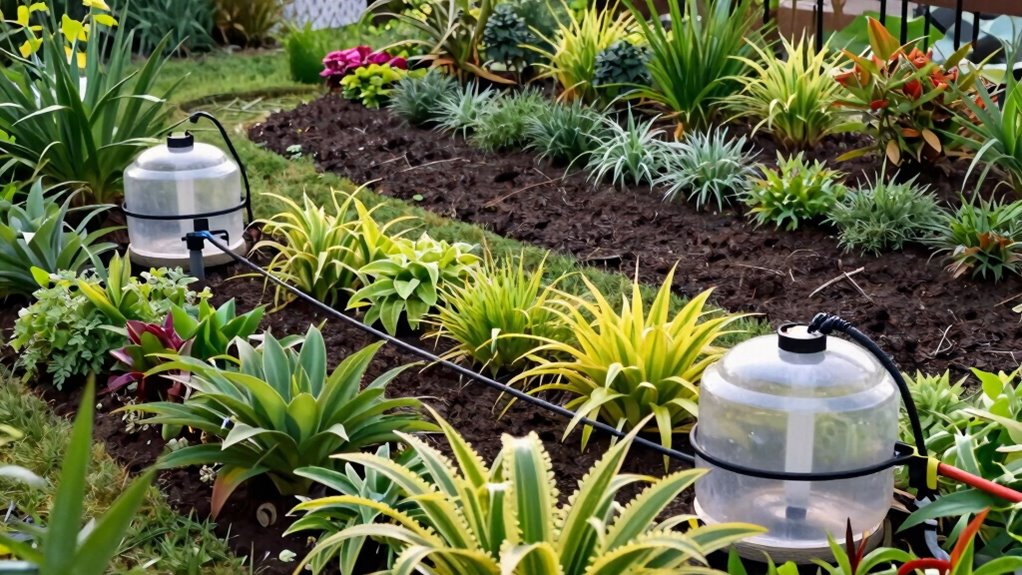
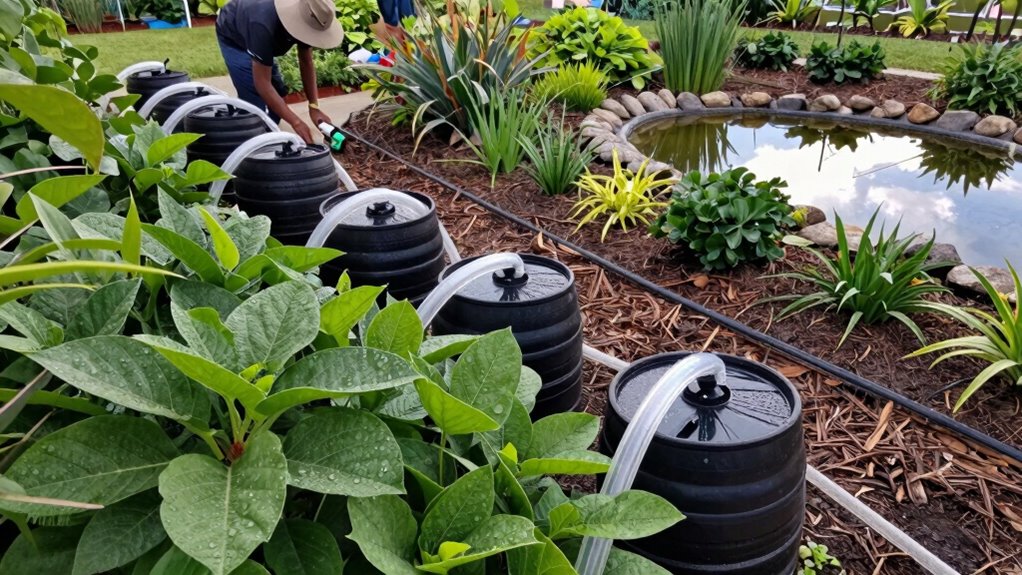
Creating a resilient garden begins with smart water planning, especially as climate patterns become more unpredictable. When you prioritize water management strategies like rainwater harvesting, you can reduce reliance on municipal supplies and create a more sustainable, self-sufficient garden. Installing rain barrels or underground storage systems enables you to capture and store rainwater during wet periods, assuring that you have a reliable source for dry spells. This approach not only conserves water but also helps moderate the moisture levels in your soil, which is essential for healthy plant growth.
Soil moisture management plays a key role in supporting your garden’s resilience. By monitoring and adjusting the moisture content in your soil, you prevent both drought stress and waterlogging. Using simple tools like a moisture meter allows you to understand your soil’s needs precisely, so you can water only when necessary. This targeted approach minimizes waste and promotes healthier root systems, which are more resistant to drought and disease. Additionally, incorporating organic mulches helps retain soil moisture, reduce evaporation, and keep plants cooler during hot weather, further stabilizing water availability.
Integrating rainwater harvesting into your overall water plan makes your garden more adaptable. During rainy seasons, you collect excess water, reducing runoff and erosion, while in dry periods, you draw from your stored rainwater to meet your plants’ needs. This cyclical system creates a buffer against unpredictable weather, giving your garden a better chance to thrive regardless of shifting climate patterns. Properly managed, rainwater harvesting also lessens the strain on local water resources, making your garden more environmentally sustainable. Exploring water conservation techniques can help optimize your system further.
Beyond installing rain barrels and monitoring soil moisture, consider landscape design elements that promote water efficiency. Grouping plants with similar water needs and planting native or drought-tolerant species can notably cut down on watering requirements. Creating contour beds and swales helps direct water to where it’s needed most, reducing runoff and encouraging deep soil infiltration. These strategies, combined with good soil moisture management and rainwater harvesting, form a holistic water plan that supports resilience. Understanding water management techniques is crucial for building a truly resilient garden. Incorporating soil health practices can further enhance your garden’s ability to retain moisture and resist drought conditions. Regularly assessing your soil health ensures your strategies remain effective over time.

FCMP Outdoor Rain Barrel, Flat-Back Rainwater Catcher with Spigots, 50 Gallon, Black – Portable Water Storage Container Tank for Home, Garden, and Backyard
Large Rain Catcher Barrel: The Raincatcher 4000 holds up to 50 gallons (189L), helping you conserve water and…
As an affiliate, we earn on qualifying purchases.
As an affiliate, we earn on qualifying purchases.
Frequently Asked Questions
How Often Should I Update My Water Plan?
You should update your watering schedule and water plan at least once a season or whenever there’s a significant change in weather. If you’re using rainwater harvesting, adjust your plan based on rainfall amounts and seasonal shifts. Regular updates help guarantee your garden gets the right amount of water, preventing over- or under-watering. Staying attentive to weather patterns and rainwater availability keeps your garden resilient and thriving year-round.
What Tools Are Best for Water Planning?
Ironically, the best tools for water planning aren’t just fancy apps—they include rainwater harvesting systems and soil moisture sensors. You’ll want rain barrels or tanks to capture runoff, reducing reliance on municipal water. Soil moisture sensors help you monitor hydration levels accurately, preventing overwatering. These tools empower you to create a resilient garden, making water management more efficient and eco-friendly, even if it feels like you’re just playing with gadgets.
How Can I Reduce Water Waste in My Garden?
To reduce water waste in your garden, start by installing drip irrigation, which delivers water directly to plant roots, minimizing runoff. Additionally, set up rain harvesting systems to collect and store rainwater for later use. These methods guarantee efficient watering, conserve water resources, and promote healthier plants. By combining drip irrigation with rain harvesting, you create a sustainable, resilient garden that requires less water and maintenance.
What Plants Are Most Drought-Tolerant?
Drought-resistant plants dominate water-efficient landscaping with their durable, drought-tolerant traits. You’ll want to choose species like succulents, lavender, and yarrow that thrive with minimal moisture. These plants resist drought and reduce water waste, making your garden more resilient. Implementing these drought-tolerant plants helps you create a sustainable, stylish landscape that conserves water while flourishing even during dry spells.
How Does Climate Change Affect Water Planning?
Climate change impacts water planning by making weather patterns more unpredictable, forcing you to adapt through climate adaptation strategies. You’ll need to prioritize water conservation, reducing usage to prepare for droughts and water shortages. By updating your water plans regularly to account for changing conditions, you guarantee your garden stays resilient. Thoughtful water planning helps you manage resources efficiently, protecting your garden’s health despite the challenges posed by a changing climate.

XLUX Long Probe Deep Use Soil Moisture Meter, Water Monitor Indicator Sensor, Hygrometer for Outdoor Indoor Large Pot Plants, Flower, Gardening, Farming
Accurate Soil Moisture Detection: The XLUX Soil Moisture Meter can tell you if the soil deep inside your…
As an affiliate, we earn on qualifying purchases.
As an affiliate, we earn on qualifying purchases.
Conclusion
By embracing thoughtful water planning, you plant the seeds for a resilient garden that can weather any storm. Think of your garden as a mighty oak, rooted deeply in sustainable practices, its strength nourished by mindful water use. Every drop you conserve and manage wisely acts as a symbol of your dedication, ensuring your garden thrives through droughts and downpours alike. With each decision, you cultivate a future where your garden stands tall and enduring.
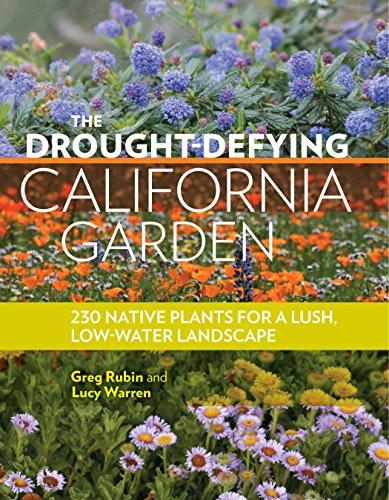
The Drought-Defying California Garden: 230 Native Plants for a Lush, Low-Water Landscape
As an affiliate, we earn on qualifying purchases.
As an affiliate, we earn on qualifying purchases.

HealthiStraw GardenStraw, 3 cu ft (20 lbs) All-Natural Mulch for Gardens, Vegetables & Lawn Seeding – Water-Conserving Wheat Straw – Thoroughly Cleaned, Sustainable
All-Natural & Clean Mulch —Sustainably sourced 100% non-GMO wheat straw is naturally filtered to remove dust, dirt, and…
As an affiliate, we earn on qualifying purchases.
As an affiliate, we earn on qualifying purchases.