To successfully propagate seedlings, you should create a consistent watering schedule, keeping the soil moist but not waterlogged, and maintain proper moisture levels tailored to each plant type. Use sterile, well-drained media, either sterilized soil in an oven or microwave or pre-sterilized mixes, to prevent pests and diseases. Monitoring and adjusting watering and environments regularly help seedlings grow strong. Keep these practices in mind, and you’ll find more tips that can boost your success.
Key Takeaways
- Choose appropriate seed-starting media, such as sterilized soil or pre-sterilized mixes, for optimal germination.
- Maintain a consistent watering schedule, keeping soil moist but not waterlogged, to support healthy seedling development.
- Sterilize soil via oven or microwave to eliminate pests and diseases that can harm seedlings.
- Use gentle watering methods like misting or bottom watering to preserve seed integrity and prevent soil crusting.
- Monitor seedling growth regularly, adjusting schedules and media as needed for specific plant varieties and environmental conditions.
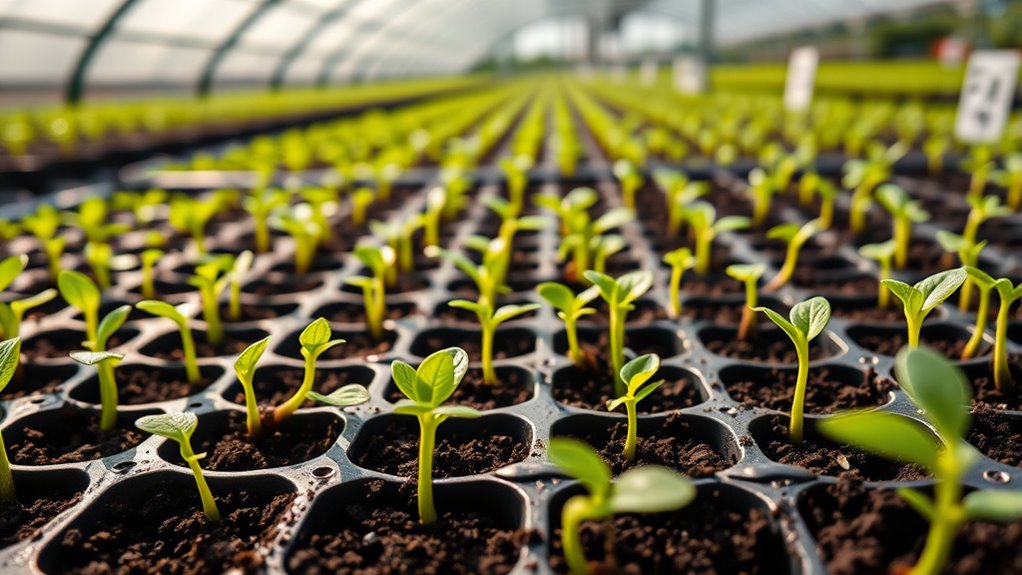
Have you ever wondered how to successfully grow new plants from seeds? The key lies in understanding the right seedling propagation techniques, especially when it comes to choosing the right media and maintaining proper schedules. One essential step you might overlook is soil sterilization. Before you plant your seeds, ensure that your seed-starting soil is sterilized to eliminate any pests, fungi, or diseases that could sabotage your efforts. You can do this by heating the soil in an oven or microwave, or by purchasing pre-sterilized media. This process creates a clean environment for your seedlings to develop strong roots and healthy growth. Without soil sterilization, you risk introducing harmful pathogens that can cause damping-off disease or other issues, stunting or killing your young plants.
Once your soil is prepared, setting a consistent watering schedule becomes critical. Seedlings have delicate roots that are easily overwhelmed by overwatering, yet they also need enough moisture to thrive. It’s best to keep the soil consistently moist but not waterlogged. Check your seed trays or pots daily, and water gently when the top layer of soil feels dry. Using a spray bottle or a fine watering can helps deliver a gentle, even moisture that won’t disturb the seeds or damage fragile roots. Establishing a routine watering schedule not only ensures your seedlings get the moisture they need but also helps you spot early signs of over- or under-watering, such as mold or wilting.
In addition, maintaining proper watering schedules encourages root development and overall plant health. Seedlings tend to grow faster when they’re kept in a stable environment with predictable moisture levels. Keep in mind that different plants may have slightly varied needs, so always research the specific requirements for your seed varieties. When seedlings are young, avoid watering from above too heavily, as this can cause soil crusting, which impedes seedling emergence. Instead, bottom watering or misting can help maintain uniform moisture without disturbing delicate seedlings.
Both soil sterilization and consistent watering schedules are foundational to successful seedling propagation. They work together to create an ideal environment where your plants can sprout, grow strong, and develop into healthy mature plants. By paying attention to these details, you give your seeds the best chance to thrive, reducing the risk of disease and ensuring steady growth from the very start. With patience and careful management, you’ll soon be watching those tiny sprouts turn into lush, vigorous plants ready to be transplanted into your garden.

Psycloner Pro Clone Machine, Aeroponics System, Cloner for Plant Cuttings, Propagation + Bonus (140 Site)
PSYCLONER – Plant cutting and rooting germination kit. Features neoprene inserts to hold your plant clones in place....
As an affiliate, we earn on qualifying purchases.
Frequently Asked Questions
What Are the Best Lighting Conditions for Seedling Growth?
For ideal seedling growth, provide them with ample seedling light that mimics natural sunlight. Use growth lighting that offers a full spectrum, ideally with 16-18 hours daily. Keep the lights about 2-3 inches above the seedlings to prevent stretching, and guarantee they get consistent, bright light. Proper lighting encourages healthy, strong seedlings, setting a solid foundation for their future development.
How Can I Prevent Damping-Off Disease in Seedlings?
To prevent damping-off disease, you should sterilize your soil thoroughly to kill pathogens and use pathogen-resistant varieties when available. Make certain proper watering practices by avoiding overwatering, which creates a damp environment that fosters disease. Maintain good air circulation around your seedlings, and keep your workspace clean to minimize contamination. These steps greatly reduce the risk of damping-off and promote healthy seedling development.
When Should I Transplant Seedlings to Larger Containers?
Did you know that transplant timing is vital for healthy seedling growth? You should move your seedlings to larger containers when they develop their first true leaves and outgrow their current space, usually around 2-3 weeks after germination. Wait until roots start to circle the container’s edge before transplanting. Use appropriately sized containers to prevent root-bound issues, ensuring your seedlings establish well and thrive in their new environment.
What Are Natural Alternatives to Chemical Seed Treatments?
You can use organic alternatives like neem oil or beneficial microbes as natural seed treatments. Applying seed coat treatments with organic substances such as aloe vera gel or honey can also promote germination and protect seedlings from diseases without chemicals. These options boost seed health naturally, helping you avoid synthetic chemicals while guaranteeing healthy growth. Just make certain you apply them properly and follow recommended dosages for the best results.
How Do I Select the Right Seedling Media for Different Plants?
You should select seedling media based on plant compatibility, ensuring it provides good drainage, aeration, and moisture retention. For delicate or moisture-loving plants, choose media rich in organic matter, while drought-tolerant plants thrive in well-draining, sandy mixes. Always consider the specific needs of your plants and test different media if necessary. Properly matching seedling media to each plant’s requirements promotes healthy growth and strong seedlings.
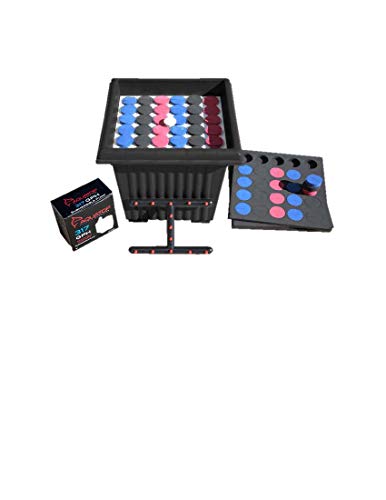
CLONE KING 36 Site Aeroponic Cloning Machine. Expect 100% Success Rates!
Complete 36 Site System. Reservoir, Lid, Spray Manifold with Misters, Submersible Pump (317GPH) and Inserts. Just Add Light
As an affiliate, we earn on qualifying purchases.
Conclusion
Now that you know the essential schedules and media for seedling propagation, imagine the possibilities that lie ahead. Will your next batch of seedlings flourish or falter? The right timing and materials can make all the difference. Don’t underestimate the power of careful planning—your success depends on it. The future of your garden is in your hands. Are you ready to take that pivotal step and see what grows? The next season awaits your touch.

TurboKlone T24D Aeroponic Cloner System with Built-in Fan and Humidity Dome
This T24D comes with our recommended humidity dome which helps with root growth and development.
As an affiliate, we earn on qualifying purchases.

Psycloner Pro Clone Machine, Aeroponics System, Cloner for Plant Cuttings, Propagation + Bonus (35 Site)
PSYCLONER – Plant cutting and rooting germination kit. Features neoprene inserts to hold your plant clones in place....
As an affiliate, we earn on qualifying purchases.