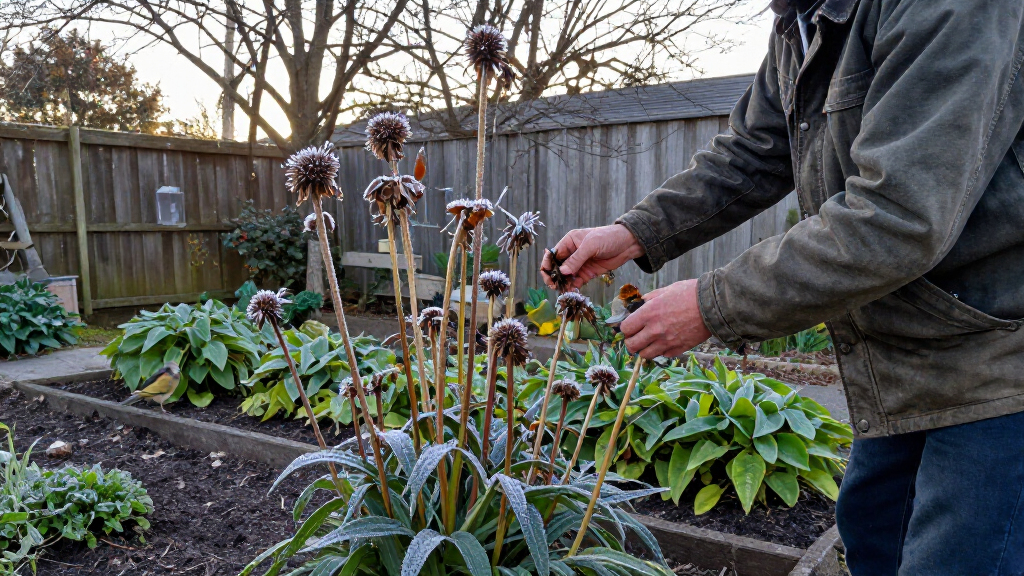

TL;DR
A Homes & Gardens report recommends leaving ornamental grasses, asters, goldenrod, and three other seed-bearing plants standing through winter so birds can feed on their seeds. The supplied report identifies liatris as a fourth plant, but its text cuts off before naming the remaining two; local growing conditions and bird use will vary.
Homes & Gardens recommends leaving six seed-bearing plants standing through winter rather than cutting them back in November, saying their seeds can provide food for garden birds. The supplied report names ornamental grasses, asters, goldenrod and liatris, but the source text ends before identifying the last two plants.

Get garden gear delivered free with Prime
- Fast, free delivery on millions of items
- Prime Video, Amazon Music and more included
- Member-only deals all year
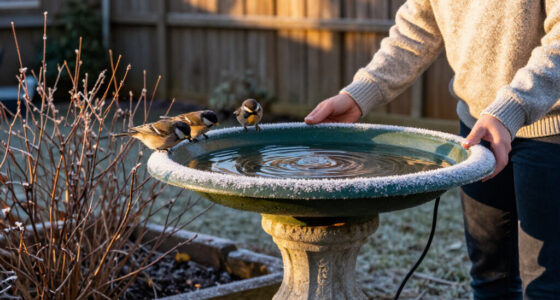
The advice is aimed at gardeners who want to offer birds a natural food source rather than rely only on maintained feeders. The report says seed-bearing flowers and grasses attract birds such as finches, sparrows and juncos, while berry-producing shrubs and trees can support fruit-eating species. It presents diverse planting as a way to provide different food sources at different times of year, not as a guarantee that particular birds will visit.
For ornamental grasses, the report recommends choosing native varieties suited to the local area. University of Illinois horticulture educator Nicole Flowers-Kimmerle lists little bluestem, prairie dropseed, switchgrass, Indian grass and sideoats grama; Royal Horticultural Society wildlife expert Helen Bostock also recommends quaking grass. North Carolina State extension agent Sam Marshall says grasses are among the last plants he prunes, leaving them through winter and early spring until new green shoots appear.
The other named plants are asters, goldenrod and liatris, also called blazing star. Asters form seedheads after flowering, while goldenrod and liatris offer seeds later in the season. Flowers-Kimmerle advises against deadheading goldenrod in late summer and fall; she says it can be cut back in late March or April. The report also says native asters are preferable for wildlife and cautions that excess fertilizer can weaken their stems.
Winter Seedheads Support Garden Birds
Leaving dried stems in place can make garden beds a seasonal food source for birds that eat seeds, while also retaining plant structure during the colder months. The report argues that combining grasses, seed-producing flowers and berry-bearing plants supports a wider range of wildlife than relying on one plant type. This is practical guidance for gardeners deciding whether to tidy beds in autumn or defer pruning until spring.
The advice does not mean every garden will attract the same birds or that standing plants replace feeders in every setting. Species, available food and climate vary by location. Still, postponing cutting can preserve seeds that would otherwise be removed, and the report notes that uncut plants may also shelter beneficial insects through winter.
Popular right now

Ninja CREAMi Scoop & Swirl 13-in-1 Ice Cream and Soft Serve Maker, NC701

Ninja CREAMi Scoop & Swirl Ice Cream and Soft Serve Maker, 13 Programs, 4 Pints, NC701

De'Longhi Stilosa Compact Manual Espresso Machine with Milk Frother
As an affiliate, we earn on qualifying purchases.
The Report’s Planting Advice
The Homes & Gardens article frames the recommendations as guidance gathered from horticulture and wildlife experts. It distinguishes seed-eating birds, which may use grasses and perennial seedheads, from fruit-eating birds drawn to shrubs and trees such as hawthorn, dogwood and ivy. Its central point is to leave selected plants standing rather than prune them automatically in November.
Timing varies by plant and region. Marshall’s guidance is to wait until green shoots emerge before cutting grasses, while Flowers-Kimmerle gives late March or April as a possible time to cut back goldenrod. The report also notes that asters generally prefer relatively lean soil and that native plant choices are more likely to suit local wildlife. These are recommendations, not a single calendar that applies in every climate.
““The more diverse the planting, the more wildlife it can support.””
— Nicole Flowers-Kimmerle, horticulture educator at University of Illinois Extension
Two Plants Missing From Source
The supplied Homes & Gardens text is incomplete: it names four of the six plants in the headline, then cuts off after beginning the liatris section. The remaining two plants and any accompanying expert advice cannot be verified from the material provided, so they are not identified here. The source also gives no measured data on how many birds visit or how much food the plants provide.
Advice on when to prune can vary with local climate, plant species and the timing of new growth. The report’s suggestions should not be read as a universal schedule, and it does not establish that leaving these plants will eliminate the need for other winter food sources.
Prune After Winter Growth
Gardeners following the report can leave the named plants’ seedheads in place through winter, then check local guidance and the plants for new growth before pruning. Marshall’s suggested cue for grasses is the appearance of the first green shoots; Flowers-Kimmerle says goldenrod can be cut back in late March or April. Those timings are examples from the cited experts, not dates that necessarily fit every region.
The complete list of six plants cannot be established from the supplied source excerpt. Readers seeking all six recommendations would need to consult the full Homes & Gardens report. Until then, the confirmed guidance supports leaving ornamental grasses, asters, goldenrod and liatris standing where they are suited to the garden.
Key Questions
Which plants does the supplied report name?
It names ornamental grasses, asters, goldenrod and liatris. The source excerpt ends before the final two plants are identified.
When should ornamental grasses be cut back?
Sam Marshall of North Carolina State Extension says he leaves grasses through winter and early spring, pruning when he sees the first green shoots. Local climate and plant type can affect timing.
Should goldenrod be deadheaded in autumn?
Flowers-Kimmerle advises against deadheading goldenrod in late summer and fall if the aim is to leave seeds for birds. She says the plants can be cut back in late March or April.
Does leaving these plants guarantee birds will visit?
No. The report says the plants can provide food for seed-eating birds, but it offers no guarantee of visits. Bird species and feeding patterns vary by location and available habitat.
Source: homesandgardens.com